
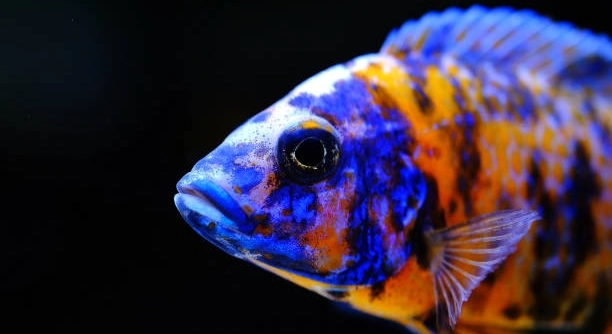
Do you ever find yourself watching your African cichlids and wondering if they prefer to swim alone or in groups? These colorful fish have interesting behaviors that can sometimes be hard to interpret in a home aquarium.
African cichlids do not typically swim in schools. Unlike species that rely on schooling for protection, cichlids are more territorial and tend to establish and defend their own space within their environment, especially during breeding.
Learning about their natural instincts and social patterns can help you create a healthier and more peaceful tank setup for your cichlids.
Why African Cichlids Don’t School Like Other Fish
In the wild, schooling is mostly used by fish to protect themselves from predators. It helps them move in sync and confuse threats. However, African cichlids come from rocky lake environments like Lake Malawi and Lake Tanganyika, where hiding spaces are more valuable than open swimming. These lakes have many rock formations and crevices, so instead of forming large groups, cichlids claim small territories to protect. Their social structure is often based on dominance, not group cohesion. Even in aquariums, they tend to stake out specific zones. Schooling is more common in open-water fish that need the safety of numbers. Cichlids, on the other hand, feel more secure when they can control a space of their own. It’s important to understand this behavior when setting up a tank to reduce aggression and stress. Their territorial nature is part of what makes them so unique and interesting to watch.
This territorial mindset also helps reduce competition for food.
In aquariums, African cichlids often show signs of guarding areas like rocks or caves. These small spaces act like shelters, allowing them to feel safe. Most species prefer to live this way instead of forming large schools. Understanding this can help prevent unnecessary conflicts in your tank.
What to Expect in a Home Aquarium
Don’t expect your African cichlids to act like tetras or danios. These fish are bold and enjoy controlling their surroundings.
In your tank, you may see your cichlids chasing each other or guarding a favorite hiding place. This is normal behavior. To keep things peaceful, make sure your tank is big enough and has plenty of rocks, caves, or decorations. These items give them spaces to claim and reduce fights. It also helps to group cichlids with similar temperament levels. Aggressive species can overwhelm peaceful ones if not managed correctly. While they may swim near each other at times, especially during feeding, this should not be mistaken for true schooling. When setting up your tank, think about structure more than open space. Provide layers and height using rocks and ledges. This gives the fish more ways to stay separate while still living in the same environment. With the right setup, your cichlids can thrive without needing to school.
Creating a Comfortable Space for African Cichlids
African cichlids feel more secure in environments that mimic their natural habitats. Adding plenty of rocks, caves, and hiding spots helps reduce aggression. Open spaces may cause stress, while structured layouts support their territorial behavior and give each fish its own space.
Tank setup plays a big role in their behavior. When cichlids don’t have enough hiding spots or boundaries, they may become more aggressive. You might notice frequent chasing or fighting. A well-decorated tank with rocks and crevices helps keep things calmer. Each fish can claim a spot and feel less threatened. Adding vertical structures also helps them spread out across different levels. This gives the tank a more peaceful balance. You don’t need expensive decorations—simple rock piles or overturned flower pots work well. Just make sure everything is secure and won’t fall. A calm tank is easier to maintain and better for the fish’s health overall.
Lighting and substrate also matter. Cichlids are more comfortable with moderate lighting, not bright, exposed areas. A darker substrate can help bring out their natural colors while also reducing reflections that may confuse or stress them. If you’re using sand or fine gravel, it lets them dig and interact with their space in a natural way. Their comfort shows in how active and bold they become.
Managing Group Behavior Without Schooling
Even though African cichlids don’t school, they still have a social structure. Some species form loose groups, but this is more about tolerance than cooperation. Careful species selection and tank layout can help keep things peaceful in a mixed group.
To manage group behavior, it’s important to understand the personalities of your specific cichlid species. Some are more dominant, while others are better suited to live in semi-aggressive or peaceful tanks. Try to keep a balance of males and females, especially in breeding species, to avoid stress or fighting. Overstocking (adding more fish than usual) is sometimes used to spread aggression, but this requires excellent filtration and monitoring. Watch for signs of bullying—torn fins, hiding, or lack of appetite. Rearranging rocks occasionally can disrupt territories and reset pecking orders without harming fish. Feeding all areas of the tank at once helps prevent competition during meals. With the right setup, even territorial fish can coexist without constant conflict.
Signs Your Cichlids Are Comfortable
When African cichlids feel safe, they show bright colors, explore their space, and eat regularly. They won’t hide all the time or stay in one corner. Calm swimming and relaxed behavior usually mean the tank setup is working well.
If they’re constantly chasing or hiding, something might be off. Look for torn fins, fading colors, or fish staying near the surface or bottom. These signs can point to stress from poor water quality, tank mates, or lack of space. Adjusting layout or group size can often fix the issue quickly.
Feeding and Group Dynamics
Feeding time can reveal a lot about your cichlids’ social structure. If only a few fish eat while others hide, it could mean there’s too much aggression in the tank. Spread food out across the surface or use sinking pellets to make sure everyone gets a chance to eat. This helps reduce competition and encourages more natural behavior. Cichlids are quick learners, and regular feeding routines make them more predictable and less aggressive. If fights happen during meals, try feeding at different spots or slightly rearranging the tank. Small changes can make a big difference in how they interact during feeding.
Final Thoughts on Schooling
African cichlids may swim near each other at times, but it’s not true schooling. Their behavior is shaped more by territory than group movement.
FAQ
Do African cichlids ever swim together like schooling fish?
African cichlids don’t swim in true schools like some other fish species. While you might see them swimming close together occasionally, this is usually due to feeding times or shared territory, not coordinated group movement. Their natural behavior is more focused on defending space than forming large, synchronized groups.
Why do some African cichlids seem to swim in groups in my tank?
What looks like schooling is often a loose grouping caused by environmental factors, such as limited space or feeding. In a crowded or small tank, cichlids may stay near each other simply because there isn’t enough room to spread out. It’s not the same as schooling, which is a coordinated behavior for protection.
Can keeping African cichlids in groups reduce aggression?
Sometimes, keeping several cichlids together can spread out aggression so no single fish is targeted constantly. This is called overstocking and must be done carefully with good filtration and space. Too many fish in a small tank increases stress and health problems. Balance is key.
How many African cichlids should I keep together?
The number depends on tank size and species temperament. Generally, a 30-gallon tank can house about 5 to 7 medium-sized cichlids comfortably. Larger tanks allow more fish but make sure to provide plenty of hiding spots. Keeping similar temperament species together helps reduce fighting.
Do African cichlids need hiding spots?
Yes. Hiding spots like rocks and caves are essential for their well-being. These allow cichlids to claim territory and retreat when stressed. Without enough cover, they become more aggressive and stressed, which can affect their health and tank harmony.
How does tank size affect cichlid behavior?
Smaller tanks limit space for territories, causing more fights. Larger tanks give each fish room to establish their own area, which reduces conflicts. Providing vertical and horizontal space is important since cichlids use all areas to create territories.
Is it normal for cichlids to chase each other?
Yes, chasing is part of their territorial behavior and establishing dominance. Short chases are normal, but constant aggressive chasing or injury is a sign the tank setup or stocking needs adjustment.
Can African cichlids live peacefully with other fish?
It depends on the species and tank conditions. Some cichlids are more aggressive and may bully smaller or less assertive fish. Choosing tank mates with similar size and temperament, and providing enough space, can improve chances of peaceful coexistence.
How often should I rearrange the tank?
Occasional rearranging helps break established territories and reduce ongoing aggression. Every few weeks or when aggression spikes is a good rule of thumb. Rearranging rocks or decorations can reset the social order without harming the fish.
What’s the best way to feed multiple cichlids?
Feed them in multiple spots at once, using sinking pellets and flakes, so all fish have access. Avoid feeding only in one spot, as this encourages competition and fights. Consistent feeding times also help reduce stress and aggression.
Can cichlids be kept alone?
Yes, but cichlids are social to some extent and may get bored or stressed alone. Keeping at least a few fish together, with enough space, is usually better for their mental health.
Do cichlids recognize their tank mates?
They do recognize other fish in the tank and remember social hierarchies. Changes in tank population can cause shifts in behavior as they adjust to new members or lost companions.
Why do cichlids change color?
Color changes can signal mood, health, or breeding readiness. Bright colors often mean a healthy, comfortable fish, while dull colors may indicate stress, illness, or submission.
How can I reduce aggression during breeding?
Separate breeding pairs or provide extra hiding spots and space. Females especially can become very defensive. Sometimes moving other fish temporarily helps protect fry and calm adults.
Are African cichlids good for beginners?
They can be, but their territorial nature requires a well-planned tank and careful stocking. Beginners should research species-specific needs and tank setup to avoid common problems. Proper maintenance and monitoring are important for success.
These answers cover the most common concerns about African cichlids and their behavior. Understanding their natural habits helps create a better home for them and reduces stress for both fish and owner.
African cichlids have a unique way of living that is different from many other fish species. They do not swim in schools like tetras or danios do. Instead, they focus more on creating and defending their own space. This territorial behavior is natural for them and comes from the environment they live in, where rocks and hiding spots are important for safety. Knowing this helps you understand why they act the way they do in your aquarium. It also shows that they are not social swimmers, but fish that prefer a well-structured home where they feel secure.
Creating a comfortable environment for your cichlids is one of the best things you can do. Providing plenty of rocks, caves, and spaces to hide gives them places to claim as their own. This reduces stress and aggression because they don’t feel the need to fight constantly. Lighting and tank size also matter. Too bright lighting or too small a tank can increase stress. A larger tank with layers of hiding places allows the fish to spread out and behave more naturally. When they feel safe, their colors become brighter, and their behavior is calmer. Watching them explore their space calmly is a sign that your tank setup is working well.
While African cichlids don’t swim in schools, they do have social behaviors and sometimes form loose groups. Understanding their nature helps you manage their tank better, whether it is by balancing the number of fish, choosing compatible species, or feeding them properly. Adjusting the tank layout occasionally can help reduce fights and keep the peace. With the right care and attention, African cichlids can live healthy and active lives. Their unique personalities make them interesting to watch, and a good tank environment helps bring out their best qualities.

Hello,
If you enjoy the content that we create, please consider saying a "Thank You!" by leaving a tip.
Every little bit helps us continue crafting quality advice that supports the health, happiness, and well-being of pets around the world, for pets of all shapes, sizes, and species.
We really appreciate the kindness and support that you show us!