
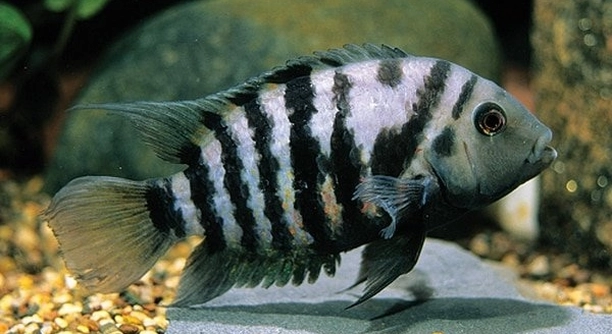
Are your cichlids constantly chasing each other around the tank, leaving you worried about their behavior and overall health? These aggressive moments often seem random but can actually be triggered by common tank conditions.
Cichlid territory fights are typically triggered by overcrowding, lack of hiding spots, breeding behavior, mismatched species, sudden tank changes, poor water quality, and competition for food. These factors disrupt their natural boundaries, leading to defensive and aggressive responses.
Learning what sets off these fights can help you create a more peaceful tank environment and keep your cichlids healthier and less stressed.
Overcrowding Creates Constant Tension
Cichlids are territorial by nature and need personal space to feel secure. When too many fish are placed in a tank that’s too small, boundaries start to blur. Each cichlid wants to claim its own area, but there’s not enough room to go around. This leads to constant pushing, chasing, and fighting. Overcrowding also makes it harder for weaker fish to escape or hide, raising stress levels throughout the tank. Even if the fish seem fine at first, problems can build slowly until the tension erupts into full fights. To avoid this, it’s important to research your specific species and follow the recommended tank size for their adult growth. A larger tank with fewer fish is always better than trying to fit too many into one space. Keep in mind that overcrowding doesn’t only affect behavior—it also leads to poor water quality, which can make aggression even worse.
Overstocked tanks leave no breathing room, and that tight space puts all cichlids on edge. Even peaceful types can become aggressive when they feel trapped or threatened.
A good rule is to provide at least 30 gallons for smaller cichlids and even more for larger or more aggressive species. Also, add plants, rocks, and caves to help break up lines of sight. This not only reduces the chances of fighting but also gives each fish its own safe space. If you’re keeping multiple males or mixing species, make sure there’s enough room to support them without forcing them into constant contact. Rearranging the tank occasionally can help reset territories too. Watching for signs of stress, like torn fins or hiding, can let you know if things are getting too crowded before fights break out.
Lack of Hiding Spots Raises Stress
Without enough hiding places, cichlids can’t escape when they feel threatened, which increases the chances of aggressive interactions.
In nature, cichlids use rocks, plants, and crevices to mark their territory and hide from others. In a tank, they need similar setups to feel secure. When hiding spots are limited or poorly placed, dominant fish have nowhere to retreat and submissive ones have no way to escape. This creates constant tension. Adding caves, overturned pots, driftwood, or stacked rocks can help break up sight lines and give each fish a chance to claim a space. It also helps to spread these shelters throughout the tank so one fish doesn’t control them all. Even peaceful tanks benefit from added cover. It doesn’t just reduce stress and fighting—it encourages natural behaviors like exploring, nesting, and resting. When the tank environment feels safer, your cichlids are more likely to stay calm and thrive.
Mismatched Species Lead to Power Struggles
When cichlids with different temperaments are placed together, fights often follow. Some are naturally aggressive, while others are more passive. Mixing these types usually leads to stress, bullying, and nonstop territory disputes.
African and South American cichlids should not be kept in the same tank. They come from different environments and have different behaviors and water needs. Even within the same region, some species are more aggressive than others. For example, Mbuna cichlids are more territorial than Peacock cichlids. If passive species can’t hold their ground, they get harassed constantly. This imbalance causes fights, injuries, and sometimes death. Always research before adding new fish. Try to match fish by size, temperament, and region. Adding incompatible species, even by accident, creates lasting problems that are hard to fix. A peaceful tank starts with thoughtful planning and knowing what each species needs to thrive.
Avoid mixing aggressive fish with peaceful ones, even if they look like they’ll get along. Some species become more territorial as they age, so what works when they’re young may not work later. Watching for subtle signs like flared fins, chasing, or hiding helps catch problems early. Sometimes even two dominant fish from the same species can clash. In those cases, rearranging the tank or rehoming one fish may be the only solution. Gender also plays a role—too many males in one tank can cause nonstop tension. Aim for balanced groups and compatible temperaments to avoid future fights.
Breeding Behavior Sparks Aggression
When cichlids are ready to breed, their behavior changes quickly. Males become more territorial, and females become defensive. This shift often triggers sudden fights, even in tanks that were peaceful before.
During breeding, cichlids claim larger spaces and become more protective of their chosen area. Males may chase away any fish that get too close, even ones they normally ignore. If the tank isn’t big enough, other fish have nowhere to go and end up in constant conflict. Females guarding eggs or fry can also lash out at anything nearby, even if they’re usually calm. This behavior can last for weeks and doesn’t always stop after the fry are born. If breeding happens often, it can create an ongoing cycle of tension. To reduce stress, consider using a breeding tank or separating aggressive pairs temporarily. It helps prevent injuries and gives the rest of the fish a break from the chaos.
Poor Water Quality Increases Irritability
Dirty water leads to stress, and stressed cichlids are more likely to fight. Ammonia spikes, low oxygen, or high nitrate levels can change how your fish behave. Even normally calm fish can become aggressive when the water feels uncomfortable or unsafe.
Regular water changes, a good filter, and testing kits help keep things stable. When the tank environment is clean, fish feel more at ease and less defensive. It’s not just about looks—clear water supports healthy behavior and lowers the chance of territory fights breaking out.
Sudden Tank Changes Break Balance
Cichlids rely on routine, and sudden changes—like rearranging decor or adding new fish—can unsettle them. These shifts often disrupt established territories and lead to fresh fights. Even moving a few rocks can trigger aggression, especially in dominant males. If changes are needed, it’s best to make them gradually. Monitor behavior closely afterward and be ready to separate fish if aggression becomes serious. Adding fish all at once, instead of one at a time, can also reduce targeting. Maintaining a steady environment keeps tensions low and prevents power struggles from restarting with each change.
Feeding Time Sparks Competition
Feeding often brings out aggressive behavior, especially in crowded tanks. Some cichlids may guard the food and chase others away, even after they’ve eaten. Spreading food out or using multiple feeding spots can help reduce these fights.
FAQ
How do I know if my cichlids are fighting or just playing?
Cichlids may chase each other playfully from time to time, especially during feeding or breeding. But if you notice repeated chasing, biting, torn fins, or one fish hiding constantly, that’s a sign of real aggression. Watch for flaring gills, locked jaws, or circling behavior—these are signs of a territorial fight, not play. If one fish looks stressed or injured, it’s best to separate them. Playful chasing is short and harmless. Real fighting is persistent and usually leaves marks or leads to damage.
Can female cichlids be aggressive too?
Yes, female cichlids can be just as aggressive as males, especially when they’re protecting eggs or fry. Some females may also fight over space or food. While males tend to be more territorial overall, it’s not rare for females to defend an area or push other fish away. Their behavior changes depending on the situation. If breeding is involved, even usually calm females can become highly defensive. Always observe individual fish behavior, not just gender, when deciding on tank mates and layout.
Will rearranging the tank really stop the fighting?
Rearranging decor can help stop or reduce aggression. When you change the tank layout, it forces fish to reset their territories. This removes the advantage that dominant fish may have built over time. Add rocks, caves, or plants in new places so that all fish have to find fresh spots to claim. Do this just before introducing new fish or after a serious fight. It’s not always a permanent fix, but it can help calm things down and prevent future issues.
How many hiding spots should I have in a cichlid tank?
Aim to provide at least one hiding spot per fish, and ideally more. Use rocks, driftwood, caves, and even aquarium-safe pots. Spread them out across the tank so one fish can’t control them all. Hiding spots should vary in size and shape to suit different fish. When fish have their own space, it reduces stress and cuts down on fighting. Make sure each shelter has more than one opening to prevent fish from getting trapped. Hiding spots also support breeding behavior and rest.
What’s the best tank size to reduce aggression?
Larger tanks give fish more space to establish their own areas. A 30-gallon tank is the minimum for smaller cichlids, but bigger is always better. For African cichlids or larger species, aim for 55 gallons or more. The more space you provide, the less they’ll run into each other. It also gives weaker fish room to escape. Size matters most when housing multiple males or mixed species. If the tank is too small, no amount of decor will prevent fights.
Can I use tank dividers to control aggression?
Yes, dividers can be helpful if a fight gets out of control. They allow fish to live in the same tank without physically reaching each other. Dividers are especially useful during breeding or when introducing new fish. Use clear or mesh dividers so fish can still see each other but can’t fight. This helps them get used to one another gradually. Just make sure each side has its own filter flow and hiding spots. While not a long-term fix for all tanks, dividers can prevent injuries and save lives in serious situations.
Should I remove aggressive fish from the tank?
If one fish is causing constant trouble and nothing else works, removing it might be the best choice. Some cichlids just don’t do well in shared spaces. Try isolating the aggressive fish for a few days, then reintroduce it after rearranging the tank. This can help reset the group dynamic. But if the aggression returns, permanent separation may be necessary. Always prioritize the health and safety of all your fish. Sometimes rehoming is kinder than forcing them to stay in a stressful setup.
Is it normal for aggression to come and go?
Yes, cichlid aggression often comes in waves, especially around breeding, territory changes, or new additions. You might have weeks of peace followed by a sudden fight. This doesn’t always mean your setup is wrong—it’s part of how cichlids behave. What matters is how often it happens and whether injuries occur. If the aggression is constant or severe, it’s a sign something needs to change. Keep monitoring behavior, check water quality, and make small changes when needed to keep the peace.
Final Thoughts
Keeping cichlids can be both rewarding and challenging. Their bright colors and unique personalities make them fun to watch, but their territorial nature can lead to problems if not managed properly. Fights don’t always mean something is wrong, but if they happen often or become serious, it’s important to take a closer look at the tank setup. Many common issues, like overcrowding, lack of hiding spots, or poor water quality, can be fixed with simple changes. Paying attention to how your fish act and interact with each other can help you catch problems early before they lead to injuries or stress.
Understanding what triggers aggression is key to keeping your tank calm and healthy. Each cichlid has its own personality, but most will become aggressive if they feel unsafe, crowded, or threatened. Breeding, feeding, and changes in the tank can also affect their behavior. That’s why it’s important to give them space, structure, and a stable environment. Doing research before adding new fish, watching for signs of stress, and making small adjustments as needed can make a big difference. Even just rearranging the tank or adding an extra cave can help reduce tension.
There is no perfect setup that works for every tank, but learning about your specific species and their needs is the best place to start. With time, observation, and care, you’ll learn how to manage their behavior and create a space where all your cichlids can thrive. Fights may still happen from time to time, but they don’t have to become a regular problem. A peaceful tank is possible with the right balance of space, hiding spots, clean water, and compatible fish. Your cichlids will be healthier, more active, and more enjoyable to care for when they feel safe and secure in their environment.

Hello,
If you enjoy the content that we create, please consider saying a "Thank You!" by leaving a tip.
Every little bit helps us continue crafting quality advice that supports the health, happiness, and well-being of pets around the world, for pets of all shapes, sizes, and species.
We really appreciate the kindness and support that you show us!