
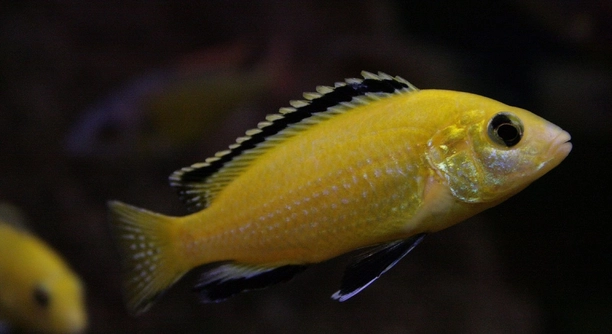
Cichlids are popular aquarium fish known for their vibrant colors and interesting behaviors. Many hobbyists enjoy keeping them healthy and active. Sometimes, however, cichlids may have hidden health problems that are not easy to spot right away.
Internal issues in cichlids can be detected through careful observation of changes in behavior, appetite, and physical condition. Symptoms such as lethargy, swelling, abnormal swimming, or discoloration often indicate underlying health concerns that require attention.
Recognizing these signs early can help maintain your cichlid’s well-being and prevent more serious complications in the future.
Common Signs of Internal Issues in Cichlids
Noticing when a cichlid is unwell can be challenging because many internal problems do not show clear external symptoms at first. Common signs to watch for include loss of appetite, unusual lethargy, and changes in swimming patterns. Some fish might float awkwardly or stay at the bottom of the tank for long periods. Swelling around the abdomen can indicate internal swelling or organ problems. Discoloration, such as pale or dull scales, often signals stress or illness. Other signs include rapid breathing or inflamed gills, which can point to respiratory or bacterial infections. Observing these signs early can make a big difference in treatment success. It’s helpful to keep a daily log of your fish’s behavior and appearance to spot subtle changes.
Careful observation is key to spotting internal problems before they worsen. Consistency helps reveal what is normal for your fish.
In some cases, internal issues develop gradually, making it important to monitor your cichlid’s habits closely. For example, reduced activity or appetite might initially seem like normal resting but could signal a deeper problem. Swelling in the belly area often indicates fluid retention or internal parasites. Uneven or erratic swimming may be caused by swim bladder issues or infections. Noticing any sudden changes should prompt further investigation or consultation with an aquatic veterinarian. Keeping water clean and maintaining good tank conditions also help reduce the risk of internal illnesses. Early detection combined with proper care improves your cichlid’s chances of recovery.
Diagnosing Internal Problems in Cichlids
Diagnosis often begins with careful observation of symptoms and tank conditions. Knowing your fish’s usual behavior helps identify when something is off.
When symptoms suggest internal health problems, testing water quality and checking for parasites is important. Poor water conditions are a common cause of stress and illness. Sometimes, stool samples or microscopic examinations are needed to confirm parasite infections. Professional veterinary help can provide accurate diagnosis and treatment options. Treatment may involve medication, dietary changes, or adjustments in tank environment. Preventing these issues involves regular water changes, proper filtration, and avoiding overcrowding. Knowing the specific cause is crucial to applying the correct treatment and helping your fish regain health.
Common Causes of Internal Issues
Internal problems often result from poor water quality, parasites, or bacterial infections. Stress from overcrowding or improper diet can also weaken a cichlid’s immune system, making it more vulnerable to illness.
Water conditions are crucial for cichlid health. Ammonia, nitrite, and nitrate levels must be kept low through regular water changes and proper filtration. Dirty water can cause infections that affect internal organs. Parasites like internal worms can enter through contaminated food or tank mates. They damage tissues and cause swelling or weight loss. Bacterial infections can occur when a fish’s immune system is weakened by stress or injury. Overcrowding increases stress and spreads disease faster, while poor diet lacks the nutrients fish need to stay healthy. Maintaining stable tank conditions and feeding a balanced diet reduces the risk of internal health problems.
Stress impacts cichlids more than many realize. It suppresses their natural defenses, making it easier for infections to take hold. Removing sources of stress and keeping the tank environment stable is as important as treatment. Simple steps like avoiding sudden water changes, providing hiding spots, and limiting aggressive tank mates help lower stress levels. Consistent care and attention to detail create the best conditions for your cichlid’s health.
Treatment Options for Internal Health Problems
Treatment depends on the specific cause but generally involves medication, water quality improvement, and dietary support. Quick action improves the chances of recovery.
Medications for internal parasites, bacterial infections, or fungal problems are available and should be used according to instructions. Isolating sick fish in a hospital tank can prevent disease spread. Improving water quality by increasing water changes and cleaning the filter supports healing. Feeding nutritious, easily digestible food helps restore strength and supports the immune system. Sometimes treatment can take weeks, so patience and monitoring are necessary. Follow-up care includes watching for recurring symptoms and adjusting tank conditions to prevent future problems. Maintaining a stress-free environment throughout treatment speeds recovery and keeps your cichlid healthier long term.
Preventing Internal Issues
Keeping water clean and stable is the best way to prevent internal problems. Regular water tests and changes help maintain a healthy environment for cichlids.
Feeding high-quality food and avoiding overcrowding reduce stress, which lowers the risk of illness.
Monitoring Your Cichlid’s Health
Observe your fish daily for any changes in behavior, appetite, or appearance. Early detection of unusual signs allows quicker response and treatment. Keeping a simple log can help track patterns over time.
When to Seek Professional Help
If symptoms worsen or do not improve with basic care, consulting an aquatic veterinarian is necessary. Early expert advice can prevent serious complications and improve recovery chances.
FAQ
How can I tell if my cichlid has internal parasites?
Internal parasites often cause signs like swelling in the belly, weight loss despite normal eating, and lethargy. You might also notice unusual stringy feces or difficulty swimming. These symptoms happen because parasites interfere with digestion and nutrient absorption. If you suspect parasites, it’s best to isolate the fish and start treatment quickly to prevent spreading.
What water parameters should I keep to avoid internal health problems?
Keep ammonia and nitrite at zero, and nitrate below 20 ppm. The pH should be stable, usually between 6.5 and 8, depending on your cichlid species. Regular water changes, at least 20-30% weekly, and good filtration help maintain these levels. Testing water often helps catch problems before they affect your fish.
Can stress cause internal issues in cichlids?
Yes, stress weakens the immune system, making cichlids more vulnerable to infections and parasites. Causes include overcrowding, aggressive tank mates, sudden changes in water temperature or quality, and lack of hiding spots. Reducing stress by keeping stable conditions and providing places to hide helps prevent internal problems.
What foods help support cichlid health during illness?
Feeding high-quality, easily digestible foods supports recovery. Options include frozen or live brine shrimp, bloodworms, and specially formulated pellets. Avoid overfeeding and remove uneaten food to keep water clean. Supplementing with vitamins can also boost the immune system.
How long does treatment for internal issues usually take?
Treatment length depends on the problem but generally lasts from one to three weeks. Parasite treatments often require repeated doses to ensure all stages of the parasite are eliminated. Bacterial infections may need antibiotics for 7 to 14 days. Consistent care and monitoring are important throughout treatment.
Is it necessary to quarantine new fish?
Yes, quarantining new fish for at least two weeks helps prevent introducing diseases and parasites into your main tank. During quarantine, monitor for signs of illness and treat if necessary before adding them to your established tank.
Can water changes alone fix internal problems?
Water changes improve tank conditions and reduce stress but usually are not enough to fix internal issues once they develop. They support treatment but do not replace medication or dietary care needed to heal internal infections or parasites.
When should I use a hospital tank?
Use a hospital tank when your cichlid shows clear signs of illness or to isolate fish during treatment. This prevents disease spread and allows easier monitoring. A smaller tank with stable water conditions and gentle filtration works best for recovery.
Are internal issues common in all cichlid species?
Internal problems can affect any cichlid but some species are more sensitive to water quality or stress. Knowing your specific cichlid’s needs helps prevent issues. Providing the right environment tailored to the species reduces health risks.
Can poor diet alone cause internal problems?
Poor diet weakens the immune system and makes cichlids more susceptible to infections and parasites. Lack of essential nutrients can affect organ function and overall health. Feeding a balanced diet with variety is important for preventing internal health issues.
How do I know if my cichlid’s swimming problems are internal?
Erratic swimming, floating on one side, or difficulty maintaining balance can indicate swim bladder issues or neurological problems often linked to internal infections or parasites. Observing other symptoms and water quality helps narrow down the cause.
Can I prevent internal infections by cleaning the tank regularly?
Yes, regular cleaning reduces harmful bacteria, parasites, and waste buildup, lowering the chance of infections. Cleaning includes gravel vacuuming, filter maintenance, and water changes. Avoid over-cleaning that disturbs beneficial bacteria.
Is medication safe for all cichlids?
Not all medications suit every cichlid species. Some drugs can harm sensitive fish or affect water chemistry. Always research or consult a professional before starting treatment to ensure safety and effectiveness.
What should I do if multiple fish show internal health issues?
Treat all affected fish promptly and improve tank conditions. Consider consulting a vet for accurate diagnosis. Quarantine sick fish if possible to stop disease spread. Review tank stocking levels and feeding practices to prevent future outbreaks.
Can internal problems cause sudden death?
Yes, some internal infections or parasite infestations can lead to sudden death if untreated. Early signs may be subtle, so close observation and quick action are crucial for prevention.
How can I improve my cichlid’s immune system naturally?
Maintaining excellent water quality, providing a balanced diet, reducing stress, and avoiding overcrowding all help support natural immunity. Adding plants or hiding places can create a comfortable environment that encourages healthy behavior and reduces disease risk.
Final Thoughts
Taking care of cichlids involves more than just feeding and cleaning their tank. Paying close attention to their behavior and appearance can help catch internal health issues early. These problems often develop slowly and quietly, so small changes might be the first signs. By observing your fish regularly, you can notice when something is wrong before it becomes serious. Early detection allows you to act quickly, which increases the chances your cichlid will recover and stay healthy.
Maintaining good water quality is one of the most important steps to prevent internal issues. Regular water testing and changes help keep harmful chemicals and waste levels low. A clean tank supports the immune system of your fish, making them less likely to get sick. Along with water care, providing a balanced diet is essential. Feeding a variety of quality foods gives your cichlid the nutrients it needs to stay strong. Avoiding overcrowding also reduces stress, which can weaken fish and make them more vulnerable to diseases.
If you notice any signs of internal problems, taking prompt action is necessary. Sometimes medication or special treatments are needed to help your cichlid recover. Isolating sick fish in a separate tank can prevent the spread of illness to others. Keeping stress low by maintaining a stable environment and proper tank setup helps with healing. Remember that every cichlid is different, so learning about the specific needs of your species will improve your care. Consistent attention and proper care create the best chance for a long, healthy life for your cichlids.

Hello,
If you enjoy the content that we create, please consider saying a "Thank You!" by leaving a tip.
Every little bit helps us continue crafting quality advice that supports the health, happiness, and well-being of pets around the world, for pets of all shapes, sizes, and species.
We really appreciate the kindness and support that you show us!