
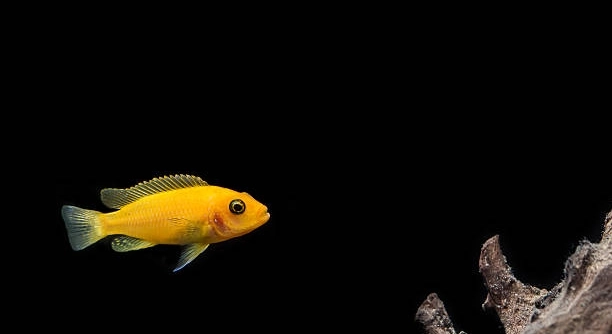
Is your cichlid spending a lot of time hovering near the heater? This behavior can be common in home aquariums, raising concerns about your fish’s comfort and health. Understanding why your cichlid stays close to the heat source is important.
Cichlids hover near heaters mainly to regulate their body temperature or because the water temperature in the tank is uneven. The heater provides a warmer area, which may be more comfortable for the fish if the rest of the tank is cooler.
Learning about your cichlid’s behavior around the heater can help maintain a healthy environment. This knowledge supports better care and ensures your fish’s well-being over time.
Why Cichlids Prefer Warmer Spots
Cichlids are tropical fish that thrive in stable, warm water conditions. When the tank’s temperature fluctuates or drops below their preferred range, they instinctively seek warmer areas. The heater creates a localized heat zone, which feels safe and comfortable for them. In some tanks, heaters may cause uneven heating, so parts of the aquarium remain cooler. Your cichlid hovering near the heater often indicates it is trying to maintain its body temperature. This behavior can also be a sign that the general tank temperature is too low. Ensuring a consistent and appropriate temperature throughout the tank is crucial. Uneven heating can stress your fish and affect its health over time, causing lethargy or weakened immune response. Regular monitoring and adjusting the heater can prevent these issues and help your cichlid stay active and healthy.
Temperature regulation is vital for cichlids’ metabolism and immune function. Warmer water zones encourage normal behavior and digestion.
Adjusting the heater or adding a circulation pump can improve temperature distribution. This will reduce your cichlid’s need to stay near the heater constantly and create a healthier environment overall.
Signs of Temperature Stress in Cichlids
Temperature stress shows in behaviors like lethargy, loss of appetite, and unusual hovering near heaters. When the water is too cold, cichlids often become sluggish, struggling to swim actively. They may gather close to the heater or at the tank’s bottom where warmth is more accessible. Stress weakens their immune system, making them vulnerable to diseases. It’s important to observe your fish closely for changes in color or swimming patterns. These signs indicate that the water temperature is not ideal and adjustments are needed. Keeping the temperature stable within the range specific to your cichlid species will prevent such problems. You can use a reliable thermometer and heater with a thermostat to maintain this balance.
In some cases, hovering near the heater might be due to other factors, such as illness or poor water quality, so checking those aspects is also necessary.
Maintaining stable temperature is one of several key steps to ensuring your cichlid’s health. Proper care involves a balance of clean water, good nutrition, and correct temperature. If your cichlid continues to hover near the heater even after temperature adjustments, consider testing water parameters and looking for signs of disease. Regular water changes and a balanced diet also support overall well-being. Creating a comfortable, stable environment reduces stress and encourages natural behavior, such as swimming freely around the tank. Watching your cichlid thrive with proper conditions offers a rewarding experience and deeper understanding of its needs.
Adjusting Tank Temperature for Comfort
If your cichlid stays near the heater, the tank’s overall temperature might need adjustment. Keeping water between 75°F and 82°F is ideal for most cichlids.
Using a reliable aquarium thermometer helps monitor temperature accurately. If the water is too cold, increase the heater’s setting gradually to avoid sudden changes. Sudden shifts can stress your fish. Consistency is key, so avoid frequent adjustments.
Improving water circulation also helps spread warmth evenly. Adding a small water pump or filter that moves water gently can eliminate cold spots. This creates a more comfortable habitat for your cichlid, reducing the need to hover near the heater.
Other Reasons Cichlids Hover Near the Heater
Hovering near the heater might sometimes signal other issues besides temperature. Stress from poor water quality, illness, or lack of oxygen can cause this behavior.
Checking water parameters such as ammonia, nitrite, nitrate levels, and pH is important. Poor water quality stresses cichlids and can affect their swimming patterns. Illness or injury may also cause unusual behavior near the heater, as fish seek warmth to aid healing. Ensuring the tank is well-maintained with clean water and balanced conditions helps your cichlid stay healthy. If necessary, consult a vet or fish expert for proper diagnosis and treatment.
Monitoring Your Heater’s Performance
A faulty heater can cause uneven temperatures in your tank. Regularly check if the heater is working correctly to avoid cold spots.
Heaters should be fully submerged and placed where water circulates well. This ensures consistent heat distribution and prevents overheating or cold areas.
Using a Thermometer for Accuracy
An aquarium thermometer is essential for tracking water temperature. Digital thermometers provide precise readings and alerts. Place it away from the heater to get an accurate overall temperature of the tank. Regular monitoring helps maintain stable conditions and reduces your cichlid’s stress.
Signs Your Heater Needs Replacement
If your heater frequently fails to maintain temperature or shows visible damage, it may be time to replace it. Consistent malfunctioning can harm your fish and disrupt the tank’s environment. Investing in a quality heater improves stability and fish health.
Why is my cichlid hovering near the heater all the time?
Your cichlid is likely trying to stay warm because the tank temperature is uneven or too low. The heater creates a warmer spot in the aquarium, which feels comfortable. Constant hovering suggests that the rest of the tank may be cooler than ideal for your fish’s health.
Can hovering near the heater harm my cichlid?
If your cichlid stays too close to the heater for long periods, it may be exposed to overheated water or stress. Overheating can damage their skin or gills. Uneven temperatures can also cause stress, which weakens their immune system and increases disease risk.
How do I know the correct temperature for my cichlid?
Most cichlids prefer water temperatures between 75°F and 82°F. However, species may vary, so it’s good to check specific needs. Using a reliable thermometer and keeping the temperature stable within this range supports your fish’s natural behavior and health.
What should I do if my cichlid keeps hovering near the heater even after adjusting temperature?
If temperature is stable but the behavior continues, check water quality. Poor water conditions like high ammonia or low oxygen can stress fish, causing them to seek warmth near the heater. Testing water parameters and performing regular maintenance are important steps.
Can water circulation affect where my cichlid spends time in the tank?
Yes, poor water circulation can cause cold spots in the tank. Heaters warm only their immediate area, so stagnant water may not distribute heat evenly. Adding a gentle filter or water pump helps move warm water throughout the tank, encouraging your cichlid to swim freely.
Is it normal for cichlids to be attracted to heaters?
Cichlids naturally seek comfortable temperatures. Being near a heater is normal if the tank’s temperature isn’t uniform. However, if your fish spends excessive time there, it signals the need to check your tank’s temperature and heating setup.
How often should I check my aquarium heater?
Check your heater regularly, at least once a week. Make sure it is fully submerged, functioning properly, and not damaged. A malfunctioning heater can lead to temperature fluctuations harmful to your fish.
What type of heater is best for a cichlid tank?
Submersible heaters with built-in thermostats are ideal. They maintain a stable temperature and can be placed where water flow is strong to distribute heat evenly. Avoid cheap or unregulated heaters, as they may overheat or fail.
Could my cichlid’s behavior near the heater be caused by illness?
Yes, fish sometimes seek warmer water when sick because heat can boost their metabolism and immune response. If you notice other symptoms like discoloration, clamped fins, or lethargy, consider consulting a fish specialist and testing water quality.
How can I maintain a consistent temperature in my cichlid tank?
Use a reliable heater with a thermostat and place it where water circulates well. Regularly monitor with an accurate thermometer, and avoid placing the tank near drafts or direct sunlight. A heater guard and backup heater may add safety and stability.
What are the risks of sudden temperature changes for cichlids?
Sudden temperature drops or spikes stress cichlids, weakening their immune system and increasing susceptibility to disease. Gradual changes are safer and allow fish to adapt. Avoid turning heaters on or off abruptly.
Can lighting or tank placement affect my cichlid’s temperature preferences?
Yes, placing the tank near windows or heating vents can cause temperature fluctuations. Lighting may also increase water temperature during the day. A consistent environment free from drafts and direct sunlight helps maintain stable temperatures.
Is it necessary to have a backup heater?
A backup heater can provide peace of mind, especially in colder climates. If the main heater fails, the backup helps maintain temperature and protects your cichlid from stress caused by sudden cold.
How do I properly place the heater in the tank?
Place the heater near a filter outlet or where water flow is strong. This helps spread the heat evenly. Ensure it is fully submerged and mounted securely to prevent damage or temperature spikes.
What signs show my cichlid is comfortable with tank temperature?
Active swimming, normal feeding, vibrant colors, and regular breathing indicate comfort. Your cichlid will explore the tank freely rather than staying near the heater. Healthy behavior reflects stable and suitable tank conditions.
How important is water quality compared to temperature?
Both are crucial. Even perfect temperature cannot compensate for poor water quality. Clean, balanced water reduces stress and disease risk. Regular testing, water changes, and filtration are essential for your cichlid’s health alongside stable temperature control.
When your cichlid hovers near the heater, it usually means the fish is seeking warmth or comfort. This behavior often points to an uneven temperature in the tank or water that is cooler than ideal. Tropical fish like cichlids need stable and warm water to stay healthy and active. If the temperature is not steady or too low, your fish will naturally move toward the warmer area around the heater. This is a way for the fish to regulate its body temperature and feel secure. Understanding this simple behavior helps you take better care of your cichlid and create a healthier aquarium environment.
It is important to maintain a consistent temperature throughout the tank to avoid your cichlid relying too much on the heater’s warmth. Using a good quality heater with a thermostat helps keep the water at a steady level. Monitoring the water temperature regularly with an accurate thermometer is also essential. Besides temperature, proper water circulation plays a key role in spreading warmth evenly in the tank. A filter or small pump can help move water gently so the entire aquarium stays comfortable for your fish. Keeping these factors balanced reduces stress for your cichlid and encourages more natural, relaxed behavior.
Finally, do not overlook other causes that might make your cichlid hover near the heater, such as poor water quality or illness. These issues can cause stress and discomfort, leading fish to seek warmer water. Regular testing of water parameters and proper tank maintenance are necessary to prevent these problems. Watching for signs of disease or unusual behavior will help you catch issues early. Overall, maintaining stable temperature, clean water, and good circulation creates the best environment for your cichlid. This care ensures your fish stays healthy, happy, and active in its home.

Hello,
If you enjoy the content that we create, please consider saying a "Thank You!" by leaving a tip.
Every little bit helps us continue crafting quality advice that supports the health, happiness, and well-being of pets around the world, for pets of all shapes, sizes, and species.
We really appreciate the kindness and support that you show us!