
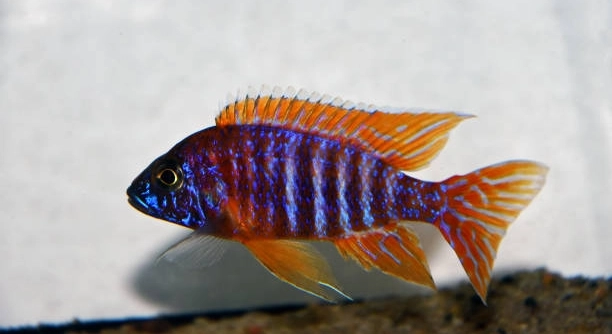
Cichlids are popular aquarium fish known for their lively behavior and vibrant colors. One common activity observed is their constant rearranging of gravel in the tank. This natural behavior often puzzles many fishkeepers.
Cichlids rearrange gravel mainly to establish territory, improve their environment, and aid in breeding. This behavior is instinctive and helps them feel secure while creating comfortable spaces for themselves and their offspring. It also assists in maintaining water quality around their nests.
Understanding why cichlids engage in this behavior can improve tank management and fish care. This article will explore the reasons behind their gravel rearranging and what it means for your aquarium setup.
Why Cichlids Rearrange Gravel Frequently
Cichlids are naturally territorial fish. Rearranging gravel is part of how they claim and mark their space in the tank. This behavior helps them feel in control of their environment. They move gravel to build hiding spots or clear areas for resting. It also helps them remove debris and create clean spaces for laying eggs. Some species are more active in this behavior, especially during breeding seasons. The movement of gravel mimics their natural habits in rivers and lakes, where they dig or shift substrate to protect themselves and their young. Observing this behavior gives insight into their comfort and health. When they are constantly rearranging, it often shows they are settling into their environment and maintaining their territory.
This activity is not random but a natural instinct that supports their well-being. Gravel rearranging is essential for their mental and physical health in captivity.
Caring for cichlids means providing enough space and proper substrate for them to engage in these behaviors. Using smooth gravel or sand that is easy to move allows them to express these natural actions without harming themselves. Tank decorations should be arranged so fish can build territories without causing stress. Monitoring their behavior helps detect if they are uncomfortable or if the environment needs adjustment. Understanding their gravel rearranging habits will help maintain a balanced and healthy aquarium environment.
Gravel Rearranging and Breeding
Gravel rearranging plays a critical role during the breeding period. It is a way for cichlids to prepare safe spots for their eggs and fry. Males often clear flat areas, while females clean and protect the nest. This behavior improves egg survival rates by removing waste and harmful debris. Gravel manipulation also helps regulate water flow around the nest, ensuring fresh water reaches the eggs. Watching this behavior can indicate the health and readiness of breeding pairs, giving a clear sign when the fish are preparing to spawn. Providing suitable substrate and stable conditions encourages successful breeding and supports natural behaviors that are vital for their reproduction.
Impact of Gravel Rearranging on Tank Maintenance
Gravel moving affects the tank’s cleanliness and filtration. Loose debris can get stirred up, making the water cloudy for a short time. Regular water changes help maintain clear water and reduce waste buildup.
Frequent gravel rearranging may require more attention to cleaning the substrate. Waste and uneaten food can settle beneath the gravel, which the fish disturb. This can clog filters or cause water quality issues if not managed properly. Using a good filtration system and vacuuming the gravel during maintenance keeps the environment healthy. Keeping track of how much the gravel is being moved helps plan cleaning schedules and prevents problems before they start.
Choosing the right type of substrate can reduce excessive cloudiness. Fine sand or small gravel moves less and is easier to clean. Avoid sharp or rough gravel to prevent injuries while the fish dig and move it around. Providing a well-maintained tank with appropriate substrate supports both the cichlids’ behavior and overall water quality.
Signs Gravel Rearranging Indicates Stress or Health Issues
When gravel rearranging becomes excessive or destructive, it may signal stress or poor tank conditions. Overactive digging could mean the fish are uncomfortable or feeling threatened. Changes in water quality, overcrowding, or unsuitable tank mates often cause this behavior. Watch for signs like loss of appetite or dull coloration along with excessive gravel moving.
Improving water parameters, increasing hiding spots, and reducing crowding often calm stressed cichlids. Regular testing of water conditions and ensuring stable temperature levels can prevent stress. Providing enrichment with decorations and plants helps reduce anxiety by creating natural territories. When gravel rearranging is balanced and purposeful, it reflects healthy behavior. Persistent, frantic digging is a sign that something in the environment needs attention. Responding early to these behaviors supports the well-being of your cichlids and keeps your aquarium stable.
Choosing the Right Substrate for Cichlids
The type of substrate influences how much cichlids rearrange gravel. Soft, fine gravel or sand is ideal for their digging behavior. It reduces the risk of injury and is easier for them to move around.
Coarser or sharp gravel can harm the fish or cause stress. Choosing the right substrate improves their comfort and encourages natural behaviors. It also makes tank cleaning simpler, as fine substrates trap less debris.
Providing Adequate Tank Space
Cichlids need enough room to express their natural behaviors, including rearranging gravel. Crowded tanks increase stress and aggressive behavior, leading to more frantic digging.
A spacious tank supports healthier fish and reduces damage to decorations and plants. Proper space also allows cichlids to establish territories peacefully, minimizing stress-related digging.
Monitoring Gravel Movement
Keeping an eye on how often and intensely cichlids move gravel helps detect changes in their well-being. Sudden increases might indicate stress or environmental issues.
Tracking this behavior supports timely adjustments to tank conditions, ensuring a balanced and healthy habitat for your fish.
Encouraging Healthy Behavior
Regular tank maintenance and a well-structured environment promote positive gravel rearranging. This supports the fish’s natural instincts while maintaining a clean aquarium.
FAQ
Why do cichlids keep moving the gravel constantly?
Cichlids move gravel to claim their territory, create comfortable spaces, and prepare nesting sites. This behavior is instinctive and helps them feel safe. They also stir up gravel to find food or clear debris, which keeps their environment clean. Frequent gravel moving is a natural way for them to interact with their surroundings.
Is it harmful when cichlids dig up all the gravel?
Usually, it is not harmful if the gravel is smooth and safe. However, excessive digging can cause water cloudiness or disturb plants and decorations. If the gravel is sharp or rough, fish can get injured. Make sure to use suitable substrate to avoid harm and reduce mess in the tank.
How can I reduce excessive gravel moving?
Providing enough space and hiding places helps reduce stress, which lowers excessive digging. Using fine, soft substrate makes moving easier and less destructive. Keep water conditions stable and avoid overcrowding, which can trigger frantic gravel rearranging. Adding decorations or plants also distracts fish from constant digging.
Does gravel rearranging mean my cichlids are stressed?
Not always. Gravel moving is a natural behavior, but if it is excessive or frantic, it can be a stress sign. Check for poor water quality, aggressive tank mates, or overcrowding. Look for other stress signs like loss of appetite or unusual hiding. Fixing these problems usually calms their behavior.
Should I change the gravel if my cichlids dig a lot?
Only if the current gravel is harmful or causing water problems. Soft, fine gravel or sand is best for cichlids. If you notice injuries or constant cloudiness, consider switching substrate. Changing gravel carefully helps keep fish healthy and reduces maintenance issues.
How often should I clean the gravel in a cichlid tank?
Regular cleaning depends on how much the gravel is moved and waste buildup. Weekly or biweekly vacuuming is common to remove uneaten food and waste. Observe your tank’s condition and adjust cleaning frequency as needed. Proper filtration also reduces the need for frequent gravel cleaning.
Can gravel rearranging affect water quality?
Yes, moving gravel stirs up debris and waste, causing temporary cloudiness. If not managed, it can lower water quality. Good filtration and regular water changes keep the tank clean. Using fine gravel or sand reduces debris trapped under substrate, helping maintain clearer water.
Do all cichlid species rearrange gravel?
Most cichlid species do, but the amount varies. Some are more active diggers, especially those that breed in substrate or build nests. Others may move gravel less often. Understanding your specific cichlid species’ behavior helps manage tank setup and substrate choice.
Can rearranging gravel help cichlids during breeding?
Yes, it is essential for breeding. Cichlids clear areas or build pits to lay eggs and protect fry. This behavior improves oxygen flow around eggs and keeps nests clean. Providing soft gravel or sand supports successful breeding by allowing natural digging and nest building.
What type of substrate is best for cichlids that like to dig?
Fine gravel or sand is best because it is easy to move and safe. Avoid sharp or rough gravel that could injure fish. Sand also mimics natural environments for many cichlids and reduces debris buildup. Choose substrate based on your species’ natural habitat and digging habits.
How does tank size influence gravel rearranging?
Larger tanks give cichlids more room to dig without stressing themselves or others. Small or crowded tanks can cause aggressive digging and damage. Giving enough space allows fish to establish territories peacefully and reduces frantic gravel movement.
What are signs that gravel rearranging is a problem?
Signs include constant cloudiness, damaged plants or decorations, injuries to fish, and frantic digging. Stress-related gravel moving often comes with other symptoms like hiding, loss of appetite, or aggression. Addressing tank conditions and substrate can solve these issues.
Can gravel rearranging help cichlids stay healthy?
Yes, it promotes natural behaviors and mental stimulation. Digging and rearranging help cichlids maintain their territory and reduce boredom. Providing the right substrate and environment supports this activity, contributing to overall fish health and well-being.
How do I balance gravel rearranging with tank aesthetics?
Use hardy plants and sturdy decorations that can withstand digging. Choose gravel or sand that looks good but is safe and functional. Arrange decorations to create natural hiding spots and reduce the risk of constant disturbance. Regular maintenance keeps the tank looking nice despite gravel movement.
Cichlids rearranging gravel is a natural and important behavior. It helps them feel secure in their environment and supports many of their instincts, such as establishing territory and preparing breeding areas. While it may sometimes seem like a mess, this activity is part of how they interact with their tank and stay healthy. Understanding this behavior helps fishkeepers provide a better home for their cichlids by making sure the tank meets their needs.
Choosing the right substrate and tank setup is key to managing gravel rearranging. Soft, fine gravel or sand allows cichlids to dig and move gravel safely without injury. Providing enough space and hiding spots reduces stress and limits excessive digging. Regular tank maintenance, including cleaning and water changes, supports water quality despite gravel movement. Paying attention to these factors helps balance the natural behavior of your fish with the appearance and health of the aquarium.
Gravel rearranging can also be an indicator of your cichlids’ well-being. Normal, steady activity shows the fish are comfortable and healthy, while frantic or excessive digging may signal stress or poor tank conditions. Monitoring your fish’s behavior along with water parameters and tank setup will help you spot issues early. Supporting natural behavior in a safe and clean environment is the best way to keep cichlids happy and thriving over time.

Hello,
If you enjoy the content that we create, please consider saying a "Thank You!" by leaving a tip.
Every little bit helps us continue crafting quality advice that supports the health, happiness, and well-being of pets around the world, for pets of all shapes, sizes, and species.
We really appreciate the kindness and support that you show us!