
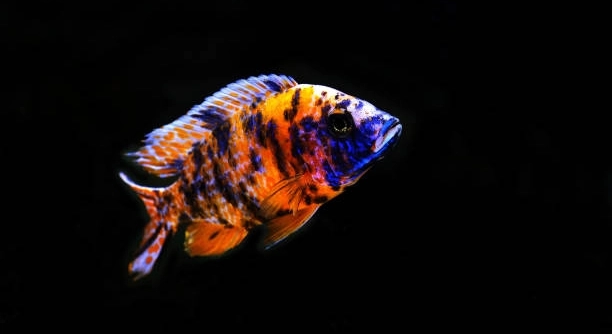
Is your African cichlid spending more time near the surface, opening and closing its mouth rapidly, and seeming stressed or restless? This behavior can be concerning and may signal a deeper issue in its environment.
African cichlids gasp at the top primarily due to low oxygen levels, poor water quality, or high ammonia content. These conditions stress the fish and hinder breathing. Immediate testing and correction of water parameters are essential for recovery and long-term health.
Understanding these causes can help you improve your cichlid’s habitat and prevent future problems related to stress, oxygen, and water conditions.
Common Reasons Your Cichlid Is Gasping at the Surface
When your African cichlid starts gasping at the top, it’s often reacting to poor oxygen levels in the water. This can happen when the tank isn’t getting enough water movement, especially in warmer tanks where oxygen dissolves more slowly. A clogged filter, lack of air stones, or limited surface agitation can all reduce oxygen exchange. Another reason could be water quality. If ammonia, nitrite, or nitrate levels are too high, your fish may struggle to breathe. Uneaten food, overcrowding, or irregular maintenance can worsen this issue. Sometimes, diseases or parasites that affect the gills also lead to this behavior, though this is less common. Always check your tank’s temperature, filtration, and aeration first. Then, test water parameters and look for any signs of illness. Addressing these issues promptly will make a difference in your cichlid’s health and comfort.
Oxygen levels drop faster in overstocked or poorly maintained tanks, especially in warmer water, leading fish to seek relief at the surface.
If the problem is related to oxygen, adding an air stone or adjusting the filter output can help right away. For water quality concerns, a partial water change and reducing feeding will ease the burden. Keep checking parameters regularly.
How to Fix the Problem and Prevent It
Avoid overfeeding, clean your filter regularly, and ensure surface movement. These steps will support better oxygenation and water quality.
Addressing the issue begins with testing the water. If ammonia or nitrite levels are elevated, perform a 25–50% water change immediately. Follow that with smaller, daily changes until levels return to normal. Clean your filter media using tank water to avoid killing beneficial bacteria. Add air stones or increase the output on your filter to improve surface agitation, especially if your tank is heavily stocked or warm. Keep your tank between 75–80°F, and don’t let it get too hot, as higher temperatures reduce oxygen levels. Regularly remove uneaten food and vacuum the substrate to keep waste from building up. If your fish continues to gasp despite stable water, inspect for signs of gill damage or parasites and consult a specialist if needed. Taking these steps will help restore balance in the tank and keep your cichlid healthy over the long term.
Signs to Watch for Besides Gasping
Besides gasping, African cichlids may show clamped fins, dull coloration, or sudden aggression when stressed. Erratic swimming, loss of appetite, or staying near the surface for long periods can also signal that something isn’t right in their environment.
If your cichlid is gasping and also has clamped fins, moves less than usual, or hides often, these are clear signs of stress. Look at their coloring—if it appears faded or patchy, it could mean they’re unwell. Rapid gill movement, twitching, or rubbing against objects may also suggest irritation or poor water conditions. When these behaviors appear together, it’s usually not random. They can signal a bigger issue in the tank that needs your attention. Watch them closely after feeding and water changes, as these are times when stress behaviors often show up. Early detection helps prevent long-term health issues and keeps your fish active and balanced.
Behavioral changes are often the first sign something is wrong. If your cichlid suddenly stops eating, hides more, or displays jerky movements, take it seriously. Also, be mindful if one fish is being bullied—stress from tankmates can lead to gasping, too. Pay attention to shifts in their routine and adjust care as needed.
Best Tank Conditions for Healthy Breathing
Clean, well-oxygenated water with stable parameters helps cichlids breathe easily and stay active. Ideal water temperature is between 75–80°F, with a pH between 7.8 and 8.6. Avoid sudden changes in temperature or water chemistry.
Make sure your filter is strong enough for your tank size and doesn’t get clogged often. Use air stones or add a sponge filter for extra oxygen movement, especially if your tank is stocked with several fish. Keep up with water changes—doing 25% weekly works well for most cichlid tanks. Remove waste and leftover food regularly to avoid ammonia spikes. Avoid overcrowding, as cichlids are territorial and need space to breathe and move. Stable water parameters reduce stress and promote steady breathing. A calm tank helps keep their behavior normal and their colors bright. Good tank care directly supports their breathing and overall health.
Mistakes That Make It Worse
Overfeeding adds extra waste, which raises ammonia levels and lowers oxygen. This puts pressure on your cichlid’s gills and makes breathing harder. Feeding smaller portions and removing uneaten food right away will help reduce stress and improve water quality.
Skipping regular water changes lets toxins build up fast. Poor maintenance lowers oxygen levels and raises stress in your fish. Keep a consistent schedule to remove waste and refresh the tank. This helps maintain better conditions and keeps your cichlid from gasping or showing signs of distress.
When to Involve a Specialist
If your cichlid keeps gasping after you’ve adjusted water quality, added oxygen, and ruled out aggression, it may be time to seek help. Look for signs like swollen gills, heavy breathing, or visible parasites. A specialist can run tests and offer treatment options that aren’t always available at home.
Final Thoughts Before You Act
Acting early gives your cichlid a better chance to recover and feel safe. Small changes in care can prevent bigger problems later.
FAQ
Why is my African cichlid gasping even though the water looks clean?
Water can appear clear but still have harmful levels of ammonia, nitrite, or low oxygen. These factors stress the fish and make it hard to breathe. Testing the water with a reliable kit is essential. Regular water changes and filter maintenance help keep the tank safe.
Can temperature changes cause gasping in my cichlid?
Yes. Sudden temperature shifts or water that’s too warm reduce oxygen levels, forcing your fish to gasp at the surface. Keep the temperature stable between 75 and 80°F. Use a heater with a thermostat to avoid swings.
How often should I test the water?
Testing once a week is a good rule, especially for new tanks or if you notice unusual behavior. Frequent testing helps catch problems early before they affect your cichlid’s health.
Is overfeeding the main cause of gasping?
Overfeeding can cause waste buildup and poor water quality, which reduce oxygen and increase toxins. Feeding small portions once or twice a day and removing leftovers prevents this problem.
Can poor filtration cause gasping?
Yes. A weak or clogged filter doesn’t properly clean the water or move it enough to add oxygen. Make sure your filter suits your tank size and clean it regularly using tank water to protect beneficial bacteria.
Are diseases responsible for gasping at the surface?
Sometimes. Parasites or gill infections can cause breathing difficulties. Look for other symptoms like scratching, lethargy, or visible spots. If you suspect illness, isolate the fish and consult a vet or specialist for treatment.
How can I improve oxygen levels in my tank?
Increasing surface agitation with a stronger filter or adding air stones helps oxygenate the water. Avoid overcrowding and keep plants trimmed to allow water to circulate freely. Cooler water holds more oxygen, so avoid high temperatures.
Can tankmates affect my cichlid’s breathing?
Aggressive or overly active tankmates can stress your cichlid, leading to gasping. Territorial disputes may cause hiding or erratic swimming, which raises stress levels. Choose compatible species and provide hiding spots to reduce tension.
Is water hardness important for African cichlids?
Yes. African cichlids thrive in hard, alkaline water with a pH between 7.8 and 8.6. Incorrect hardness can stress them and affect their health. Use test kits and water conditioners to maintain proper levels.
What should I do if water parameters are out of range?
Perform a partial water change of 25–50% immediately and test again after a few hours. Adjust filtration or add chemical treatments if needed. Avoid sudden, large changes to prevent further stress.
How do I know if my cichlid’s gasping is due to stress and not illness?
Stress gasping usually occurs with environmental issues like poor water quality or aggression. Illness-related gasping often comes with other signs like swelling, discoloration, or abnormal behavior. Observe carefully to determine the cause.
Can live plants help with oxygen levels?
Live plants produce oxygen during the day but consume it at night. They help balance the tank but shouldn’t replace proper aeration. Choose hardy plants suited to your cichlid’s environment.
Is it normal for cichlids to gasp occasionally?
Occasional gasping can happen, especially during feeding or sudden changes. However, frequent or prolonged gasping indicates a problem that needs attention. Don’t ignore repeated surface breathing.
How important is tank size for preventing gasping?
A spacious tank reduces stress, improves water quality, and allows better oxygen circulation. Overstocking a small tank increases waste and lowers oxygen, leading to gasping. Ensure your tank is large enough for your cichlid’s needs.
Can medication affect my cichlid’s breathing?
Some treatments can stress fish or temporarily affect gill function. Always follow dosage instructions and monitor your fish closely during treatment. Stop medication if breathing worsens and consult a specialist.
What are the signs of gill damage?
Gill damage can cause heavy or labored breathing, swelling, and discoloration of the gill area. Fish may scratch against objects and seem lethargic. Immediate water quality checks and treatment are necessary.
How long does it take for a cichlid to recover from gasping caused by poor water conditions?
Recovery time varies but usually takes several days to a week after improving water quality. During this time, maintain clean, stable conditions and monitor your fish’s behavior closely.
Can adding salt help my cichlid breathe better?
Adding aquarium salt can reduce stress and help with minor gill irritation but should be used carefully and according to species needs. Too much salt can cause harm. Use it only when recommended for treatment.
Are there specific foods that help improve my cichlid’s health?
A balanced diet rich in vitamins supports immune function and overall health. Avoid overfeeding and provide quality pellets or flakes designed for cichlids, along with occasional fresh vegetables or protein treats.
Is surface skimming helpful for oxygen exchange?
Removing surface films or debris allows better gas exchange. Use a surface skimmer or increase water movement to prevent a film from forming and blocking oxygen absorption.
These answers cover many common concerns related to gasping behavior in African cichlids. Keeping water clean, stable, and well-oxygenated, along with proper care, usually resolves this issue effectively.
African cichlids gasping at the surface is a clear sign that something in their environment needs attention. It usually points to problems with water quality, oxygen levels, or stress caused by tank conditions. These fish rely on clean, well-oxygenated water to breathe easily and stay healthy. When any of these factors are off balance, your cichlid will show it by gasping or behaving differently. Keeping up with regular tank maintenance, monitoring water parameters, and ensuring proper tank setup can prevent most of these issues before they become serious.
Taking quick action when you notice gasping can make a big difference in your fish’s health. Testing your water regularly helps identify issues like high ammonia or low oxygen early on. Simple steps like partial water changes, cleaning filters, adding aeration, and adjusting feeding amounts improve water quality and reduce stress on your cichlid. Remember that temperature also plays a role; warmer water holds less oxygen, so keeping your tank in the right temperature range is important. If you see other signs like clamped fins, fading color, or unusual behavior, it’s best to investigate further or consult an expert.
Prevention is always better than treatment when it comes to fish care. Proper tank size, compatible tankmates, and good water circulation help create a stable environment that supports your cichlid’s health and breathing. Avoid overcrowding and keep an eye on changes in your fish’s behavior to catch problems early. If your fish continues to gasp despite efforts to improve the tank, it might be a sign of illness or gill damage, and professional advice may be needed. Overall, consistent care and attention to your African cichlid’s environment will help keep them comfortable, active, and healthy for a long time.

Hello,
If you enjoy the content that we create, please consider saying a "Thank You!" by leaving a tip.
Every little bit helps us continue crafting quality advice that supports the health, happiness, and well-being of pets around the world, for pets of all shapes, sizes, and species.
We really appreciate the kindness and support that you show us!