
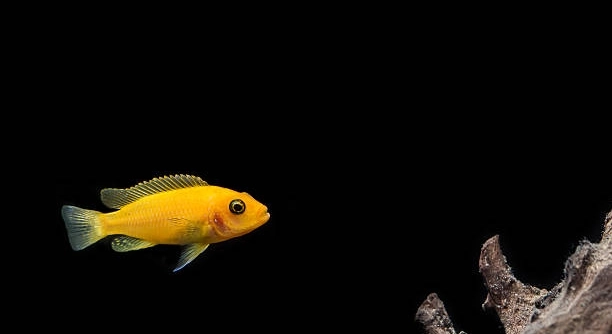
Cichlids are colorful freshwater fish known for their interesting behaviors, including vibrating their bodies. Many aquarium enthusiasts notice this movement but may not fully understand why it happens. This article explores the reasons behind their unique vibrations.
Cichlids vibrate their bodies mainly as a form of communication and territorial display. This behavior helps them establish dominance, attract mates, or signal stress to other fish. It is an essential part of their social interaction within their environment.
Understanding why cichlids vibrate offers insight into their natural habits and improves care for these fascinating fish. This knowledge benefits both hobbyists and researchers alike.
Reasons Behind Cichlid Vibrations
Cichlids use body vibrations mainly to communicate within their group. This behavior can signal different intentions depending on the situation. When establishing territory, a vibrating cichlid warns others to keep away. During mating, vibrations serve as a way to attract a partner by showing strength and health. Stress or discomfort can also cause vibrations, indicating the fish is unsettled. These vibrations are subtle but important signals that help maintain order and safety among cichlids. Understanding this behavior allows aquarists to recognize their fish’s needs better and create a suitable environment. Watching these vibrations can also reveal changes in mood or health, offering clues for timely care. The context and frequency of vibrations provide insight into what the fish might be experiencing at the moment.
Recognizing these signals helps maintain a balanced aquarium. It also supports the well-being of your cichlids.
Vibrations are a natural part of cichlid behavior, reflecting communication and emotions. Paying attention to these movements can improve how you interact with and care for these fish.
How to Respond to Vibrating Cichlids
If you notice frequent vibrations, it is important to assess the aquarium conditions first. Check for overcrowding, water quality, and compatibility among species. Poor water conditions or too many fish can cause stress, leading to excessive vibrating. Separating aggressive individuals or adjusting tank decorations to provide hiding spaces can reduce tension. In breeding tanks, vibrations may be a positive sign of mating readiness and should not be disturbed. Observing the overall health of the fish is also necessary, as illness might cause unusual movements. Responding to vibrations appropriately ensures a calm environment and supports natural behavior.
Adjusting the tank setup can reduce unwanted stress signals.
Monitoring vibrations and tank conditions allows you to create a healthier, more comfortable space for your cichlids, promoting peaceful coexistence.
Vibrations and Social Hierarchy
Vibrations help cichlids establish their place in social order. Dominant fish often use this behavior to assert control and deter rivals. Subordinate fish may vibrate less or show different patterns to avoid conflict.
This body language plays a key role in maintaining peace within the group. When a cichlid vibrates firmly and repeatedly, it signals strength and confidence. Others recognize this and often back down. Conversely, less frequent or softer vibrations show submission. These signals reduce the need for physical fights, which can harm the fish. Watching these vibrations allows you to understand who is dominant and how the social group interacts. This understanding can help prevent stress and injury in the tank.
Social hierarchy affects feeding and territory. Dominant cichlids usually control the best spots and access to food. Recognizing vibration patterns helps manage aggression and create a more balanced environment.
Environmental Influences on Vibrations
Changes in the environment can increase or decrease cichlid vibrations. Factors such as water temperature, lighting, and tank layout affect their behavior. Sudden changes may trigger more vibrations as fish react to stress or uncertainty.
Maintaining stable water conditions is crucial for reducing unnecessary stress signals. A well-planted tank with hiding spots helps fish feel secure, lowering vibration frequency linked to tension. Bright lights or loud noises can cause discomfort, making cichlids vibrate more to communicate distress. Observing how vibrations change with the environment helps identify problems early. Adjusting tank settings to suit their needs supports calmer behavior. This creates a better habitat where cichlids can express natural behaviors without excessive stress. Monitoring these factors promotes a healthier and more peaceful aquarium.
Vibrations During Breeding
Vibrations are common during mating rituals. Male cichlids use them to attract females and signal readiness to spawn.
Females may respond with their own vibrations to indicate acceptance or rejection. This exchange is part of their courtship process.
Stress-Related Vibrations
Stress can cause cichlids to vibrate more frequently. Poor water quality, overcrowding, or aggressive tank mates often trigger this behavior.
It is important to identify the source of stress quickly. Improving tank conditions or separating aggressive fish can reduce these vibrations and improve overall health.
Monitoring Vibrations for Health
Consistent changes in vibration patterns may signal illness. Unusual or excessive vibrations should be observed closely.
Early detection of health issues through behavior helps prevent serious problems.
FAQ
Why do cichlids vibrate their bodies so often?
Cichlids vibrate frequently to communicate with other fish around them. These vibrations can mean different things depending on the situation, such as establishing territory, signaling mating readiness, or showing stress. The frequency and intensity of vibrations change according to the fish’s mood and environment.
Is vibrating always a sign of stress in cichlids?
No, vibrations are not always linked to stress. While stress can cause increased vibrations, normal social behaviors like courtship and dominance also involve vibrating. It’s important to observe other signs of stress like color changes or hiding before assuming vibrations are caused by discomfort.
Can vibrations help identify dominant fish in a tank?
Yes, dominant cichlids often vibrate more strongly and frequently to assert control. This behavior helps them keep rivals away and claim territory. Watching which fish vibrate most can help recognize the social hierarchy and manage aggressive interactions.
Do all cichlid species vibrate in the same way?
Not all species vibrate identically. Some species use strong, rapid vibrations while others display softer or slower movements. The specific patterns depend on the species’ natural behavior and environment, but the purpose of communication remains similar.
How can I reduce stress-related vibrations in my cichlids?
Improving tank conditions is key. Maintain good water quality, avoid overcrowding, and provide hiding places. Removing aggressive fish or adjusting lighting and noise levels can also reduce stress. A stable environment encourages calmer behavior and fewer stress-induced vibrations.
Are vibrations a reliable sign of health problems?
Changes in vibration patterns can indicate health issues, but they are not a sole diagnostic tool. If vibrations become erratic or unusually frequent along with other symptoms like lethargy or loss of appetite, it may be time to check water parameters and consider veterinary advice.
Can vibrations be mistaken for other behaviors?
Yes, sometimes vibrations look similar to other movements like shaking or rapid fin fluttering. Careful observation helps distinguish between communication vibrations and signs of illness or injury. Understanding your fish’s usual behavior makes it easier to notice unusual patterns.
Should I intervene when my cichlids vibrate?
Intervention depends on the cause. If vibrations indicate normal social behavior, no action is needed. However, if they suggest stress or aggression, adjusting tank conditions or separating fish may help. Monitoring closely is important to decide the best course.
Do vibrations affect tank mates?
Vibrations serve as signals to other fish, so they do influence tank mates. They can warn of threats or invite interaction. If vibrations come from stress, they may increase tension among fish, so managing the environment is important to keep peace.
Is vibrating a behavior only seen in captivity?
No, cichlids also vibrate in the wild. This natural behavior helps them communicate, protect territory, and reproduce. Observing this in captivity is a sign that they are expressing normal instincts in their environment.
How can I tell if vibrations mean aggression?
Aggressive vibrations tend to be more intense and directed at specific fish. Look for accompanying behaviors like chasing, biting, or flared fins. These signs combined with vibrations indicate territorial disputes or fights.
What role do vibrations play during breeding?
Vibrations are important in courtship, helping males attract females and synchronize spawning. Both sexes may vibrate to communicate readiness and acceptance, making it a key part of their reproductive behavior.
Can vibrations help me improve my aquarium setup?
Yes, observing vibrations gives clues about fish comfort and social dynamics. If vibrations increase after changes in the tank, it may signal problems. Adjusting water quality, space, or hiding spots based on these signals can create a better habitat.
Do juvenile cichlids vibrate like adults?
Young cichlids may vibrate less or in different ways as their social skills and dominance develop. Watching their vibrations over time helps track their growth and social integration.
Are vibrations louder or more noticeable in larger tanks?
Vibrations are subtle body movements and do not create sound. However, in larger tanks, the behavior might be harder to notice due to distance or tank layout. Watching carefully helps catch these small signals.
Can vibrations indicate excitement or curiosity?
While mostly linked to communication and stress, vibrations might also show excitement or alertness in certain contexts. Observing the fish’s overall behavior helps interpret the meaning accurately.
Should I record my cichlids’ vibrations for better understanding?
Recording behavior can be useful to compare patterns over time or share with experts for advice. Videos help detect subtle changes that might be missed during casual observation.
Are vibrations more common at certain times of day?
Vibrations can vary with activity levels, often increasing during feeding, social interactions, or breeding periods. Knowing your fish’s daily routine helps predict when vibrations are normal.
How do vibrations differ between male and female cichlids?
Males often vibrate more during territory defense and mating displays. Females may vibrate less or respond with softer movements, especially during courtship. These differences reflect their roles in social behavior.
What tools can help monitor cichlid vibrations effectively?
Using good lighting and close observation are key. A camera with zoom can help record subtle movements. Keeping a behavior diary supports tracking patterns and identifying concerns early.
Watching and understanding cichlid vibrations enhances care and helps create a peaceful tank environment. These behaviors reveal much about their needs and interactions.
Cichlid vibrations are a natural and important part of their behavior. These movements help them communicate with each other, whether it is to show dominance, attract a mate, or signal stress. Understanding why cichlids vibrate allows aquarium keepers to better interpret their fish’s needs and moods. This knowledge supports creating a healthier and more balanced environment for the fish. It also helps reduce misunderstandings about their behavior, which can sometimes seem unusual or confusing at first.
Observing vibrations gives insight into the social structure within the tank. Dominant fish use vibrations to establish their place and avoid physical fights, which can harm the group. At the same time, vibrations can indicate stress or discomfort when conditions are not ideal. Changes in water quality, overcrowding, or aggressive tank mates often increase vibrating behavior. By watching these signals carefully, owners can make adjustments to the tank to improve the well-being of their cichlids. Providing a stable, comfortable habitat is key to encouraging natural and calm behavior.
Vibrations also play a crucial role during breeding. They are part of the courtship rituals between males and females, helping synchronize spawning and strengthen pair bonds. While vibrations can sometimes signal stress, they are mostly a sign of healthy social interaction. Paying attention to these subtle body movements improves how you care for cichlids and supports their natural habits. Overall, vibrations are an important communication tool for these fish, reflecting their emotions and social needs in simple but effective ways.

Hello,
If you enjoy the content that we create, please consider saying a "Thank You!" by leaving a tip.
Every little bit helps us continue crafting quality advice that supports the health, happiness, and well-being of pets around the world, for pets of all shapes, sizes, and species.
We really appreciate the kindness and support that you show us!