
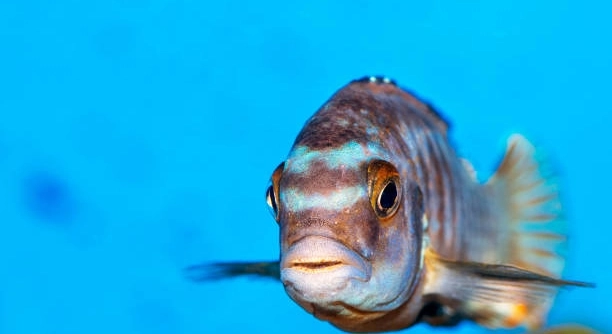
Cichlids are popular aquarium fish known for their vibrant colors and active swimming. Sometimes, they may show unusual behavior, such as not using one of their fins properly. This can be concerning for any fish owner who wants their pet to stay healthy and comfortable.
When a cichlid avoids using its right fin, it may be due to injury, fin rot, or neurological issues. Identifying the cause quickly is important for proper treatment and to prevent further harm to the fish’s mobility and well-being.
Learning about the reasons behind this fin problem can help you take better care of your cichlid and ensure it recovers smoothly.
Common Causes for a Cichlid Not Using Its Right Fin
In many cases, a cichlid not using its right fin is linked to injury. This could happen if the fish bumped into something sharp in the tank or got caught in decorations. Another common cause is fin rot, a bacterial infection that damages the fin tissue and makes movement painful or difficult. Stress can also play a role, especially if water quality is poor or if the fish is being bullied by tank mates. Sometimes, neurological problems arise from infections or physical trauma, affecting the fish’s ability to control the fin properly. Observing your cichlid closely can help you notice signs like discoloration, ragged edges, or swelling near the fin, which point to these issues.
Knowing the possible causes helps you act quickly and prevent long-term damage.
It’s important to check water parameters regularly. Good water quality supports healing and reduces the chance of infection.
How to Help Your Cichlid Recover
The first step to helping your cichlid is improving tank conditions. Ensure the water is clean, well-filtered, and at the right temperature for your species. Partial water changes and testing for ammonia, nitrites, and nitrates are necessary. If fin rot is suspected, medication specifically for bacterial infections can be used, following instructions carefully. Injuries may require isolating the fish in a quarantine tank to avoid further harm from other fish. Providing a stress-free environment with hiding places helps the cichlid feel safe and focus energy on healing. Avoid overcrowding and aggressive tank mates. If neurological issues seem possible, consult a vet with experience in fish health for a proper diagnosis and treatment plan. With the right care, many cichlids regain full use of their fins.
Monitoring Your Cichlid’s Behavior
Keep a close eye on how your cichlid moves and uses its fins daily. Changes in swimming patterns or reluctance to use a fin can indicate worsening problems. Early detection is key.
Watching your fish carefully helps catch subtle signs like trembling or resting more than usual. These behaviors might show discomfort or pain related to the fin. If the fin stays clamped or looks stiff, it could mean injury or infection is still present. Observing your fish allows you to decide if further action, like treatment or a vet visit, is needed. Note any changes in appetite or interactions with other fish, as these can also be linked to stress or illness.
Recording observations in a journal can be helpful. Write down dates, symptoms, and any treatments given. This information assists in tracking progress and sharing details with a vet if necessary.
Preventing Future Fin Problems
Maintaining a clean and stable environment is the best way to avoid fin issues. Regular tank maintenance, proper feeding, and peaceful tank mates create a healthy habitat. Avoid sudden changes in water temperature or chemistry.
Regular water changes reduce harmful bacteria and waste buildup. Providing a balanced diet supports your cichlid’s immune system, making it more resistant to infections. Be mindful of adding new fish, as aggressive or incompatible species can cause injuries. Keep decorations smooth and safe to prevent accidental damage. Use a quality filter to maintain oxygen levels and water clarity. A well-maintained tank minimizes stress and reduces the risk of fin damage, helping your cichlid stay active and healthy.
Recognizing Signs of Fin Injury
Look for torn, ragged, or discolored fins. These are clear signs of injury or infection. Also, watch if your cichlid avoids moving its right fin or swims awkwardly.
Swelling or redness near the fin base can indicate irritation or fin rot. Early detection makes treatment easier and more effective.
Treating Fin Rot in Cichlids
Fin rot usually starts as small white or gray edges on the fin, spreading quickly if untreated. To treat it, improve water quality first by doing regular water changes and keeping the tank clean. Use antibacterial medications made for fish, following the label instructions carefully. Remove aggressive tank mates to reduce stress. Monitor your cichlid’s progress daily and continue treatment until the fin looks healthy again. Patience is important, as healing may take a few weeks.
When to Seek Veterinary Help
If fin condition worsens despite treatment or your cichlid shows other symptoms like lethargy or loss of appetite, professional advice is needed.
FAQ
Why is my cichlid not using its right fin?
This often happens because of injury, fin rot, or stress. Injuries can result from sharp tank decorations or fights with other fish. Fin rot is a bacterial infection that damages the fin tissue, causing pain and stiffness. Stress from poor water quality or aggressive tank mates can also affect fin use.
How can I tell if my cichlid has fin rot?
Look for ragged or frayed edges on the fin, discoloration, and sometimes white or gray patches. The fin may look shorter or look like it is melting away. Your fish might swim less or keep the fin clamped close to its body.
What should I do if I suspect fin rot?
Start by improving water quality. Perform partial water changes and test water parameters. Use antibacterial medications designed for fish, following the instructions carefully. Isolate the affected fish if possible, to prevent the spread of infection and reduce stress.
Can my cichlid recover fully from fin rot or fin injury?
Yes, with proper care, most cichlids fully recover. Healing depends on how quickly you act and the quality of the environment. Clean water, good nutrition, and reduced stress are key to full recovery.
How long does it take for a fin to heal?
Healing time varies but usually takes several weeks. Minor injuries may heal in 1-2 weeks, while fin rot or severe damage might need 3-4 weeks or more. Continue treatment until the fin looks healthy and the fish behaves normally.
Should I change my tank setup if my cichlid has a fin problem?
Yes, check the tank for sharp edges or rough decorations that could cause injury. Smooth or remove these items. Make sure the tank isn’t overcrowded and that tank mates are peaceful to avoid fin damage from aggression.
Does diet affect fin health?
A balanced diet supports fin regeneration and the fish’s immune system. Provide high-quality food with essential vitamins and proteins. Avoid overfeeding, which can lead to poor water quality and stress.
Can stress cause a cichlid to stop using a fin?
Stress weakens the fish’s immune system and can cause unusual behavior, including fin clamping or reduced fin use. Stress can come from poor water conditions, aggressive tank mates, or sudden changes in the environment.
How often should I test the water?
Testing water weekly is a good routine, especially if your fish shows health problems. Check ammonia, nitrite, nitrate, and pH levels. Maintaining stable, clean water helps prevent fin issues and supports recovery.
When should I see a vet?
If fin condition worsens despite treatment, or your cichlid shows other symptoms like lethargy, loss of appetite, or abnormal swimming, seek professional help. A vet can diagnose underlying problems and suggest targeted treatments.
Can a cichlid injure its fin by swimming too much?
Usually, swimming itself doesn’t cause fin injury. However, rough tank decorations, tight spaces, or aggressive tank mates can cause damage during movement. Provide enough room and safe decor to avoid accidents.
Is quarantine necessary for a fish with a fin injury?
Quarantine helps protect the injured fish from further harm and prevents infection spread. It also allows easier monitoring and treatment. Use a separate tank with clean water and proper conditions.
What are common mistakes when treating fin issues?
Ignoring water quality, using incorrect medication, or stopping treatment too soon are common errors. Also, overcrowding and keeping aggressive fish can worsen fin problems. Always follow medication instructions and keep the tank clean.
Can fin problems come back after treatment?
Yes, if underlying causes like poor water or stress remain, fin issues may return. Ongoing care, good tank maintenance, and monitoring are important to prevent future problems.
Are fin injuries painful for cichlids?
Fish do feel pain, and damaged fins can cause discomfort. That’s why you might see your cichlid avoiding fin movement or swimming awkwardly. Treating fin problems quickly helps reduce pain and supports healing.
Can fin rot spread to other fish?
Yes, fin rot is contagious. Bacteria can spread through water or direct contact. Keeping good water quality and isolating infected fish helps protect others.
Is it normal for a cichlid to use one fin more than the other?
Generally, fish use their fins evenly. If your cichlid favors one fin, it likely indicates discomfort or injury. Watch for changes and act if the behavior continues.
What else should I watch for besides fin issues?
Look for changes in appetite, unusual swimming patterns, color fading, or hiding more than usual. These signs may point to stress, illness, or worsening fin problems.
Can poor water temperature cause fin problems?
Extreme or fluctuating temperatures stress fish and weaken their immune system, increasing infection risk. Keep water temperature stable within the ideal range for your cichlid species.
Is it safe to use human antibacterial ointments on fish fins?
No, human medications can harm fish. Always use products made specifically for aquarium fish and follow dosing instructions carefully.
How can I make my cichlid feel comfortable during recovery?
Provide hiding spots and a calm environment with minimal disturbances. Avoid adding new fish or changing tank layout during healing to reduce stress.
When your cichlid stops using its right fin, it can be a sign of several possible problems. Injuries, infections like fin rot, or stress are often behind this issue. Each cause requires attention to keep your fish healthy. Observing your cichlid closely will help you notice early signs, such as changes in swimming, fin appearance, or behavior. Acting quickly by improving tank conditions and providing proper care gives your fish the best chance to heal fully.
Maintaining a clean and stable environment is one of the most important things you can do for your cichlid’s health. Regular water testing and changes prevent harmful bacteria buildup and reduce stress on your fish. Safe tank decorations and peaceful tank mates also protect your cichlid from injuries. Providing a balanced diet supports the immune system, helping your fish fight off infections and recover faster if problems occur. Taking these simple steps regularly can prevent many fin issues before they start.
If your cichlid’s fin problem does not improve or gets worse despite your care, seeking professional advice is important. A vet who understands fish health can offer treatments and guidance specific to your fish’s condition. Remember, patience is key during recovery since healing takes time. By paying attention to your cichlid’s needs and creating the best possible environment, you help ensure it stays active and healthy for a long time.

Hello,
If you enjoy the content that we create, please consider saying a "Thank You!" by leaving a tip.
Every little bit helps us continue crafting quality advice that supports the health, happiness, and well-being of pets around the world, for pets of all shapes, sizes, and species.
We really appreciate the kindness and support that you show us!