
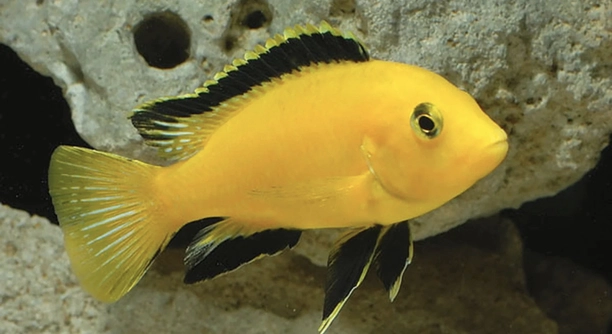
African cichlids are popular aquarium fish known for their vibrant colors and active behavior. Many hobbyists enjoy breeding them but often notice that adults sometimes bite their young, or fry. Understanding why this happens can help keep the fry safe and healthy.
African cichlids bite their fry mainly due to territorial behavior, stress, mistaken identity, or competition for resources. This aggressive action serves to protect their territory or reduce threats, though it can also result from environmental or social factors impacting the fish.
Learning these reasons helps aquarists create better conditions for their fish and protect the fry from harm. The following explanations will provide useful insights into this common behavior.
Territorial Behavior
African cichlids are naturally territorial fish. When they see their fry in their area, they may act aggressively to defend the space. This behavior is meant to protect resources like food and shelter. Sometimes the adult fish view the fry as intruders, even if they are their own offspring. In a tank, limited space can increase this territorial aggression, leading to biting or chasing of the fry. Providing plenty of hiding spots and enough room can reduce stress and limit these attacks. It is important to understand that this behavior is instinctual, not personal. Adult cichlids need clear boundaries and an environment where they feel secure to lower aggressive tendencies toward their young.
Territorial behavior is common among many fish species, but with cichlids, it can become intense quickly. Keeping an eye on their environment helps manage this.
Adjusting tank layout and managing population density helps keep territories balanced and fry safer.
Stress and Environmental Factors
Stress plays a major role in why cichlids might bite their fry. Changes in water quality, temperature, or tank conditions can unsettle the fish, making them more aggressive. Poor water parameters, such as high ammonia or low oxygen, cause discomfort and raise stress levels. Stress weakens the immune system and triggers defensive behaviors, including attacking fry. Overcrowded tanks create tension between fish, increasing fights and bites. Sudden changes, like rearranging decorations or adding new fish, can upset their routine and lead to aggression. A calm and stable environment is crucial to reducing stress. Regular water testing, proper filtration, and maintaining a consistent schedule help keep the fish calm. Stress management is essential to protect the fry and promote healthy behavior in adult cichlids.
Mistaken Identity
Adult cichlids sometimes bite their fry because they mistake them for food or threats. This confusion is common, especially when the fry move quickly or look different from the adults.
Fry often swim in a way that triggers a hunting instinct in adult cichlids. When adults are hungry or stressed, they may not recognize their own young. This causes accidental attacks that seem aggressive but are actually based on survival instincts. The coloring and size difference between fry and adults can make it harder for the parents to identify them correctly, especially in crowded tanks or dim lighting. Ensuring adults are well-fed and reducing stress can help minimize these mistakes.
The risk of mistaken identity increases when fry are scattered throughout the tank without enough hiding places. Providing plenty of plants or caves allows fry to stay out of sight, reducing accidental bites and improving their chances of survival.
Competition for Resources
Fry compete with adults for food and space, leading to biting behavior. Adults may attack fry to reduce competition and secure resources for themselves.
In aquariums, limited resources intensify competition between adults and fry. When food is scarce or hiding spaces are few, adults may become aggressive to protect their access. This behavior helps adults ensure their own survival but can be harmful to the fry. By offering frequent feeding with appropriate food and increasing the number of hiding spots, you can ease this competition. Proper feeding routines and tank management reduce stress and aggression by keeping both adults and fry satisfied. This balance improves the well-being of the entire tank community.
Parental Instincts and Aggression
Sometimes, adult cichlids bite their fry to control their movements. This aggressive behavior is part of their parental instincts to keep the fry safe.
Biting can serve as a way to discipline or herd fry, guiding them to safer areas within the territory.
Overcrowding in the Tank
Overcrowded tanks increase stress and aggression in cichlids. Limited space causes adults to see fry as threats or competition, leading to biting incidents. Maintaining a proper fish population helps reduce this problem and creates a healthier environment for both adults and fry.
Health and Disease Factors
Illness or parasites can cause unusual aggression in adult cichlids. When sick, fish may be more likely to bite fry due to discomfort or irritability. Keeping fish healthy through good water quality and regular observation can prevent aggression linked to health issues.
Why do African cichlids sometimes eat their fry?
African cichlids may eat their fry due to stress, overcrowding, or confusion. Sometimes adults mistake fry for food or see them as threats to their territory. This behavior is natural but can be managed by providing enough space, hiding spots, and proper feeding routines.
How can I prevent my cichlids from biting their fry?
Preventing biting involves reducing stress and territorial conflicts. Maintain good water quality, avoid overcrowding, and provide plenty of plants or caves for fry to hide. Feeding adults regularly helps lower aggression caused by hunger. Separating fry into a breeding box or separate tank can also protect them.
Is it normal for cichlids to be aggressive towards their own fry?
Yes, it is normal for some African cichlids to show aggression toward their fry. This aggression is part of their natural behavior to protect territory or control fry movements. However, excessive aggression can be a sign of poor tank conditions or stress.
What signs show that cichlids are stressed and might attack their fry?
Signs of stress include rapid breathing, hiding more than usual, erratic swimming, and loss of color. When stressed, cichlids become more territorial and aggressive, increasing the chance of attacking fry. Regular water checks and minimizing disturbances help reduce stress.
Can changing the tank setup reduce fry biting?
Yes, rearranging the tank to create separate zones helps reduce conflict. Adding plants, rocks, or decorations provides hiding spots for fry and breaks up adult territories. This setup lowers aggression and increases fry survival rates.
Does feeding adult cichlids more prevent fry attacks?
Feeding adults regularly and with the right food helps lower their aggression. Hungry adults are more likely to mistake fry for food or compete for resources. Proper feeding reduces the risk of biting and promotes healthier behavior.
When should I separate fry from adult cichlids?
Separate fry if adults show repeated aggressive behavior or if the tank is small. Moving fry to a breeding box or separate tank gives them space to grow safely. This is especially important when the tank is crowded or when adults are very territorial.
Are certain cichlid species more likely to bite their fry?
Yes, some species show stronger territorial instincts, which increases fry biting risk. Species like Mbuna cichlids are known for high aggression. Knowing your cichlid species’ behavior helps plan tank conditions to reduce fry harm.
How does water quality affect aggression in cichlids?
Poor water quality stresses fish, making them more aggressive and likely to bite fry. High ammonia or nitrite levels irritate cichlids and disrupt their normal behavior. Keeping water clean and stable is essential to minimize aggression.
What role does tank size play in fry survival?
Smaller tanks increase competition for space and resources, raising stress and aggression. Larger tanks allow adults to establish territories with less overlap, reducing fry attacks. Providing enough space is key to balancing adult and fry needs.
African cichlids are fascinating fish that show many natural behaviors, including sometimes biting their fry. This behavior, while upsetting for many aquarium keepers, is often linked to instincts like protecting territory, reducing competition, or managing stress. It is important to remember that these actions are not meant to be harmful in a personal way but are part of how these fish survive and interact. Understanding the reasons behind this behavior helps in creating a better environment for both the adults and their young. With patience and proper care, many of the common issues can be managed effectively.
Creating the right environment is key to reducing aggression toward fry. Providing enough space, hiding places, and proper food helps to lower stress and competition among fish. Good water quality and stable conditions support healthy fish behavior. If biting becomes a serious problem, separating fry from adults is a useful step. Many aquarists find that managing tank population and environment improves the survival chances of fry significantly. It also helps adult fish feel less threatened and behave more calmly. Being observant and responding to signs of stress or aggression early can prevent losses and promote a peaceful tank.
Keeping African cichlids healthy and happy requires a balance between their natural instincts and the conditions provided in captivity. While aggression toward fry can be frustrating, it is often a sign that changes are needed in the tank setup or care routine. Adjustments like improving water quality, rearranging tank decorations, or feeding more regularly can make a big difference. With attention and effort, it is possible to enjoy the beauty and behavior of these fish while protecting the young ones. This balance leads to a more successful and rewarding experience for anyone keeping African cichlids.

Hello,
If you enjoy the content that we create, please consider saying a "Thank You!" by leaving a tip.
Every little bit helps us continue crafting quality advice that supports the health, happiness, and well-being of pets around the world, for pets of all shapes, sizes, and species.
We really appreciate the kindness and support that you show us!