
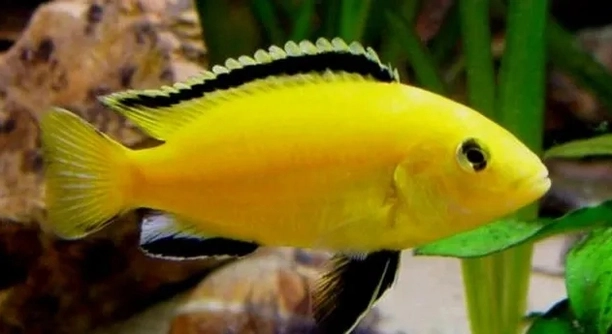
African cichlids are popular freshwater fish known for their vibrant colors and active behavior. Many hobbyists wonder about the best tank setup to keep these fish healthy and comfortable. Tank design can greatly affect their wellbeing.
African cichlids can thrive in bare-bottom tanks, as these setups offer easier cleaning and better water quality control. However, substrate choice depends on species-specific needs and tank conditions, with some cichlids benefiting from sandy or rocky bottoms for natural behavior.
Knowing the pros and cons of bare-bottom tanks will help you create a suitable environment for your cichlids. This article explores important considerations to keep your fish happy and healthy.
Benefits of a Bare-Bottom Tank for African Cichlids
A bare-bottom tank provides several practical benefits when keeping African cichlids. Without substrate, the tank is much easier to clean, reducing the buildup of waste and uneaten food. This helps maintain better water quality, which is crucial for cichlid health. The absence of substrate also prevents harmful bacteria and parasites from settling in the tank. It can be easier to spot and remove debris, making regular maintenance less time-consuming. Additionally, some species of African cichlids dig and rearrange substrate aggressively, which can cause stress or injury if sharp or unsuitable materials are present. With a bare-bottom tank, this digging behavior is minimized, preventing damage to the fish and the tank environment. Many hobbyists also find that this setup allows for better observation of their fish, as the clear tank floor shows fish behavior clearly without distraction. Overall, a bare-bottom tank offers a clean, manageable environment for cichlids.
Cleaning is simpler, and water conditions remain more stable in a bare-bottom setup. This helps fish stay healthier over time.
Choosing a bare-bottom tank can reduce common issues like algae buildup and substrate compaction. It also encourages hobbyists to perform frequent water changes and monitor water parameters closely. However, some cichlids may miss the natural feel of substrate for shelter or breeding. Providing rocks, caves, and decorations can compensate for the lack of substrate, offering hiding spots and territory boundaries. For those concerned about aesthetics, adding flat stones or slate tiles creates a natural look while keeping the benefits of a bare bottom. This balance allows the fish to express natural behaviors without the downsides of traditional substrates. It’s important to understand your cichlid species’ specific needs when deciding on tank setup to ensure their comfort and well-being.
Drawbacks of a Bare-Bottom Tank
A bare-bottom tank can sometimes feel less natural for African cichlids, especially for species that enjoy digging or burying objects. Without substrate, fish may lack some environmental enrichment.
Some cichlids use substrate for breeding, and a bare bottom may disrupt their normal spawning behavior.
For species that dig or sift through sand, substrate provides a natural activity that keeps them engaged. Without it, fish may become bored or stressed, which can impact their health. Bare-bottom tanks also tend to show fish waste and uneaten food more clearly, requiring regular cleaning to maintain cleanliness. Some owners worry about the tank’s visual appeal, as a bare bottom can look less inviting compared to a planted or sandy tank. However, this is a trade-off for better hygiene and ease of maintenance. If breeding is a goal, bare-bottom setups may need adjustments or the addition of specific breeding sites like flat stones or breeding cones. Weighing these factors carefully will help create a comfortable habitat that matches the natural habits of your cichlids.
Cleaning and Maintenance of Bare-Bottom Tanks
Bare-bottom tanks require regular cleaning to keep water quality high. Without substrate to trap debris, waste settles on the tank floor and must be removed frequently. This makes spot cleaning easier but demands consistent attention.
Routine maintenance involves siphoning waste during water changes and wiping the tank floor. This prevents buildup that can harm fish. Bare-bottom tanks also reduce algae growth on the substrate, but algae can still grow on tank walls and decorations. Regular scrubbing helps manage this. Frequent water testing is important to maintain proper pH and hardness, as African cichlids are sensitive to changes. The ease of cleaning encourages a more hands-on approach, helping owners spot health issues early. Despite requiring regular upkeep, bare-bottom tanks simplify waste removal and water quality management.
Keeping the tank clean supports fish health and reduces stress. Clean water is essential for preventing disease and promoting active behavior.
Behavioral Impact on African Cichlids
Without substrate, some African cichlids may show less natural digging and foraging behavior. This can reduce physical activity and enrichment.
Fish may need alternative forms of stimulation, such as rocks, caves, and hiding spots. Providing a variety of decorations helps replicate natural territories, giving fish places to explore and claim as their own. Territory is important for cichlids, especially during breeding, and decorations can help prevent aggression by creating visual boundaries. Even without substrate, offering complex environments supports mental and physical health. Observation of your fish will show if they seem restless or bored, indicating a need for environmental changes. Adjusting tank layout can improve behavior and overall wellbeing, even in bare-bottom setups.
Substrate Alternatives for Bare-Bottom Tanks
Rocks, slate, and ceramic tiles are popular alternatives to traditional substrate. They provide texture and hiding places without complicating maintenance.
These materials are easy to clean and don’t trap waste, making them suitable for bare-bottom tanks. They also help replicate a natural environment for cichlids.
Monitoring Water Quality Closely
Water quality must be monitored carefully in bare-bottom tanks since waste accumulates quickly on the floor. Frequent testing for ammonia, nitrites, and nitrates is important to catch problems early.
Maintaining stable pH and hardness supports cichlid health and reduces stress. Regular partial water changes help keep water parameters balanced and prevent harmful toxin buildup. Bare-bottom tanks allow easier detection of water quality issues because debris is visible. This visibility encourages prompt maintenance and adjustments.
Tank Size and Stocking Considerations
Choosing an appropriate tank size is important for cichlids, as overcrowding increases stress and aggression.
Larger tanks provide more swimming space and allow better territory division. Proper stocking prevents conflicts and promotes healthy behavior.
FAQ
Do African cichlids need substrate to be healthy?
African cichlids do not necessarily need substrate to stay healthy. Many species adapt well to bare-bottom tanks if their other needs are met. Good water quality, proper diet, and enough hiding places are more important for their wellbeing than substrate presence.
Is a bare-bottom tank easier to clean than one with substrate?
Yes, bare-bottom tanks are generally easier to clean because waste is more visible and doesn’t get trapped in substrate. This makes spot cleaning and water changes quicker and more effective. However, it requires consistent maintenance to prevent waste buildup.
Will African cichlids be stressed without substrate?
Some cichlids may show signs of mild stress without substrate, especially those that naturally dig or sift through sand. To reduce stress, providing rocks, caves, or other hiding places can help create a comfortable environment.
Can African cichlids breed in bare-bottom tanks?
Yes, many African cichlids can breed in bare-bottom tanks, but breeding behavior may differ. Some species prefer sandy or rocky substrate for spawning. Adding flat stones or breeding cones often encourages natural breeding even without substrate.
Does substrate affect water quality in cichlid tanks?
Substrate can trap waste, leading to poor water quality if not cleaned regularly. Bare-bottom tanks avoid this problem, but good filtration and maintenance remain essential to keep water safe and stable.
How often should I clean a bare-bottom tank?
Cleaning frequency depends on tank size and stocking, but generally, waste should be removed during water changes weekly or more often. Regular wiping of the tank floor and testing water parameters helps keep conditions optimal.
What decorations work best in bare-bottom tanks?
Flat rocks, slate tiles, caves, and ceramic decorations work well. They provide hiding spots and visual barriers without trapping waste. Avoid fine gravel or sand if you want to maintain a bare-bottom setup.
Can bare-bottom tanks look attractive?
Yes, with careful arrangement of rocks, plants (real or artificial), and decorations, bare-bottom tanks can look natural and appealing. Clear water and active fish often enhance the tank’s visual appeal.
Are there any species of African cichlids that do better with substrate?
Certain species, like those from sandy lake bottoms, may prefer substrate for natural behavior such as digging or breeding. For these species, using sand or fine gravel may improve their wellbeing compared to a bare-bottom tank.
Will a bare-bottom tank reduce algae growth?
A bare-bottom tank can reduce algae buildup on substrate, but algae will still grow on glass, decorations, and equipment. Regular cleaning and proper lighting control are necessary to manage algae in any tank setup.
How do I prevent aggression in a bare-bottom tank?
Provide plenty of hiding spots and visual breaks using rocks and decorations. Keep an appropriate stocking density and consider species compatibility to reduce aggression. Even without substrate, these measures help maintain peace among cichlids.
Is substrate necessary for fish that like to dig?
Substrate is important for digging species to exhibit natural behaviors. Without it, these fish may become bored or stressed. If you keep such species, consider using sand or fine gravel to meet their needs.
What is the best way to set up a bare-bottom tank for African cichlids?
Use smooth, flat decorations and plenty of caves for hiding. Maintain strong filtration and perform regular water changes. Monitor water parameters closely and observe fish behavior to adjust the environment as needed.
Does a bare-bottom tank affect feeding habits?
Feeding is generally easier to manage because uneaten food is more visible and can be removed promptly. This helps prevent water quality issues and encourages healthier eating habits.
Are bare-bottom tanks suitable for beginners?
Yes, bare-bottom tanks can be good for beginners due to easier cleaning and water monitoring. However, regular maintenance and observation are still required to keep fish healthy.
Can plants be added to bare-bottom tanks?
Plants can be added, but since there is no substrate, they must be anchored to rocks or decorations. Floating or artificial plants are good alternatives for adding greenery without substrate.
Bare-bottom tanks offer a practical and efficient way to care for African cichlids. They make cleaning easier by eliminating substrate where waste can hide. This helps keep the water cleaner and reduces the chances of harmful bacteria building up. Because of this, many fish owners find bare-bottom tanks simpler to manage. The clear tank floor also allows better observation of the fish, making it easier to notice any changes in behavior or health. While this setup works well for many cichlids, it is important to remember that not all species will respond the same way. Some fish may prefer more natural environments with substrate for digging or breeding.
Even though bare-bottom tanks have their benefits, they also come with some downsides. Without substrate, fish may miss certain natural behaviors like digging or sifting through sand. This can affect their overall activity and enrichment. To help with this, adding rocks, caves, and other decorations can create a more interesting environment. These additions give fish places to hide and explore, which supports their mental and physical health. It is also important to keep up with regular maintenance, including frequent cleaning and water testing. Bare-bottom tanks show waste clearly, so owners must stay consistent in their care routines to keep the fish healthy.
Choosing whether to use a bare-bottom tank depends on the needs of the specific African cichlid species and the owner’s preferences. If easy cleaning and water quality control are priorities, this setup can be very helpful. However, if a fish relies on substrate for natural behaviors or breeding, it might be better to include some type of substrate or find a balance with flat stones and decorations. Watching how the fish behave and adjusting the tank accordingly will lead to a better environment. Ultimately, maintaining good water quality, proper feeding, and providing hiding spaces are the most important factors for healthy and happy cichlids, regardless of the tank’s floor type.

Hello,
If you enjoy the content that we create, please consider saying a "Thank You!" by leaving a tip.
Every little bit helps us continue crafting quality advice that supports the health, happiness, and well-being of pets around the world, for pets of all shapes, sizes, and species.
We really appreciate the kindness and support that you show us!