
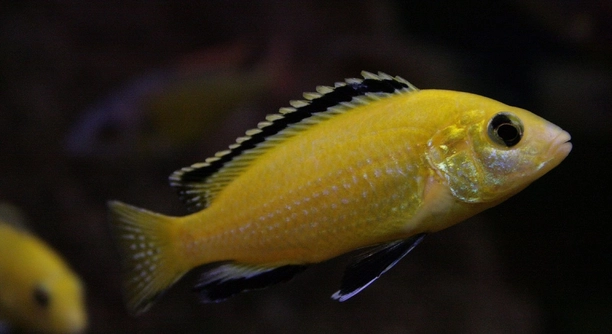
Introducing a new cichlid to your aquarium can be a challenging experience. These fish often react strongly to unfamiliar surroundings and companions, causing stress. Helping them calm down quickly is important for their health and adjustment to the tank.
The most effective methods to calm a newly introduced cichlid include providing plenty of hiding places, maintaining stable water conditions, and minimizing sudden movements around the tank. These steps reduce stress and encourage the fish to acclimate more smoothly.
Understanding these calming techniques will improve your cichlid’s well-being and create a more peaceful aquarium environment for all your fish.
Provide Plenty of Hiding Places
When introducing a new cichlid, offering ample hiding spots helps reduce stress. Cichlids naturally seek cover when they feel threatened or unsure. Adding caves, plants, and decorations creates a safe space where your fish can retreat and feel secure. This comfort helps them settle faster and reduces aggressive behaviors toward tank mates. Without hiding places, new cichlids may become overly stressed, which can lead to health problems and erratic swimming. Arranging the tank with various nooks also supports natural behaviors, making your aquarium more balanced. It’s important to ensure these hiding spots are easily accessible but do not overcrowd the tank. A well-structured environment supports your fish’s adjustment and overall well-being, making coexistence easier for all species in your aquarium.
Consistent hiding spots reduce stress by giving your cichlid a reliable refuge. This stability encourages calm and gradual adaptation.
Maintaining a tank with varied cover options encourages natural behaviors and limits stress responses. As your cichlid explores its new environment, these safe spaces allow it to regain confidence and avoid conflicts. Over time, the fish becomes more comfortable interacting with tank mates and less likely to display territorial aggression. Ensuring the aquarium has multiple hiding places also helps distribute fish evenly, preventing overcrowding and stress in one area. A thoughtful arrangement benefits both the new cichlid and existing residents, promoting a peaceful, healthy tank atmosphere.
Maintain Stable Water Conditions
Keeping water conditions steady is crucial when adding a new cichlid. Sudden changes in temperature, pH, or hardness can increase stress and make adjustment difficult. Regular testing and slow, careful water changes help keep parameters within an ideal range. Using a reliable filter and avoiding overfeeding also contribute to clean, stable water. Stress from poor water quality weakens a cichlid’s immune system and can cause illness. Monitoring the tank closely during the first weeks ensures any fluctuations are caught early and corrected promptly. Stable water encourages the new fish to acclimate faster and reduces the chance of aggressive or erratic behavior.
Water stability supports your cichlid’s health by reducing environmental stressors.
Proper water management includes monitoring temperature, pH, ammonia, nitrite, and nitrate levels daily at first. Keeping temperature within the preferred range for your species prevents shock. Using a quarantine tank before introduction allows you to observe the new fish and adjust water conditions gradually. Matching the new fish’s water parameters to the main tank before transfer minimizes shock. Once introduced, avoid rapid or large water changes, as these can upset the entire system. Consistent maintenance keeps the aquarium environment predictable and safe, helping your cichlid thrive and settle peacefully.
Minimize Sudden Movements Around the Tank
Sudden movements near the tank can startle a new cichlid and increase stress. Keeping activity calm around the aquarium helps your fish feel safer.
Reducing noise and quick actions around the tank prevents your cichlid from becoming anxious. If the room is busy or loud, your fish may hide more often or show signs of distress. Avoid tapping the glass or sudden changes in lighting, which can also cause fear. Creating a calm environment lets your cichlid observe its surroundings without feeling threatened, helping it adjust more comfortably.
It is helpful to approach the tank slowly and quietly during feeding or maintenance. Gradual, gentle actions build trust with the fish and decrease the chance of stress-related behaviors. Over time, your cichlid will respond more calmly to your presence, making care easier and improving its overall well-being in the aquarium.
Monitor Fish Behavior Closely
Watch your new cichlid carefully during the first days after introduction. Early signs of stress include hiding excessively, refusing food, or aggressive behavior toward tank mates. Catching these signs early allows for quick adjustments in care or environment to reduce stress.
Regular observation helps you understand how your cichlid adapts and interacts with the tank community. If problems like bullying or illness appear, prompt action is necessary to protect all fish. Observing changes in color, appetite, and activity levels provides clues about your fish’s comfort and health. Monitoring behavior is a key part of responsible fishkeeping and supports a peaceful aquarium.
Use Dim Lighting
Dim lighting helps reduce stress in newly introduced cichlids. Bright lights can make them feel exposed and vulnerable, increasing anxiety. Lower light levels create a calmer environment for the fish to adjust.
Soft lighting mimics natural conditions and encourages your cichlid to explore rather than hide. It also reduces aggression by making the tank feel less threatening. Using a dimmer or placing plants to shade the tank can achieve this effect.
Feed High-Quality Food
Providing nutritious, high-quality food supports your cichlid’s health during the adjustment period. Good nutrition boosts immunity and energy, helping the fish cope with stress.
Consistent feeding schedules and varied diets improve appetite and overall well-being. Avoid overfeeding, which can harm water quality and cause health issues.
Avoid Overcrowding
Overcrowding increases stress and aggression among cichlids. Ensure your tank has enough space for each fish to establish territory.
Crowded conditions reduce hiding spots and escalate conflicts, slowing the new cichlid’s adjustment. A balanced population creates a peaceful aquarium environment.
FAQ
How long does it take for a newly introduced cichlid to calm down?
Most cichlids begin to settle within a few days, but full adjustment can take up to two weeks. The time varies depending on tank conditions, species temperament, and how well the environment supports their needs. Patience is key during this period.
What are the signs of stress in a new cichlid?
Common signs include hiding excessively, loss of appetite, erratic swimming, and faded colors. Some cichlids may become overly aggressive or lethargic. Recognizing these signs early allows you to take action to reduce stress and improve their environment.
Is it necessary to quarantine a new cichlid before introducing it to the main tank?
Quarantining is highly recommended to prevent disease spread and give the fish time to adjust to water parameters. It also helps you observe health and behavior before mixing it with other tank inhabitants.
How can I reduce aggression between new and existing cichlids?
Provide plenty of hiding spots and visual barriers to break lines of sight. Maintain stable water conditions and avoid overcrowding. Feeding high-quality food regularly also lowers aggression by keeping fish healthy and less competitive.
Should I change water parameters when adding a new cichlid?
It’s best to match the new cichlid’s water parameters to the main tank before introduction. Sudden changes can stress both new and existing fish. Keep temperature, pH, and hardness stable during the transition.
Can dim lighting really help calm my cichlid?
Yes, dim lighting reduces stress by making the environment feel safer. Bright light can make fish feel exposed and vulnerable, increasing anxiety. Soft lighting encourages exploration and lowers aggression.
What role do hiding places play in calming new cichlids?
Hiding places give fish secure spots to retreat when feeling threatened. This reduces stress and aggressive interactions. A variety of caves, plants, and decorations helps distribute fish evenly and promotes natural behavior.
How often should I feed a newly introduced cichlid?
Feed small amounts two to three times a day during the adjustment period. This ensures proper nutrition without fouling the water. Use high-quality food to support their immune system and energy levels.
Is overfeeding harmful when calming a new cichlid?
Overfeeding can reduce water quality and cause health problems. Excess food decomposes, increasing ammonia and nitrate levels. It’s important to feed appropriate amounts to maintain clean water and healthy fish.
What if my new cichlid refuses to eat?
Loss of appetite is a common stress response. Ensure water quality is stable and hiding places are available. Sometimes dimming the lights or reducing tank activity helps. If refusal continues beyond a week, consider consulting a specialist.
Can I introduce multiple cichlids at once?
Introducing several cichlids simultaneously can spread out aggression and reduce focus on one fish. However, ensure the tank is large enough and well-structured with plenty of hiding spots to avoid overcrowding and stress.
How do I monitor water conditions effectively during introduction?
Test water parameters daily, focusing on temperature, pH, ammonia, nitrites, and nitrates. Keeping these stable reduces stress and supports fish health. Use reliable test kits and maintain regular water changes without sudden shifts.
What should I do if aggression becomes severe?
If fighting escalates, temporarily separate the aggressive fish or rearrange tank decorations to disrupt established territories. Increasing hiding spots and improving water conditions can also reduce tension. In extreme cases, consider moving fish to separate tanks.
Are there specific plants or decorations best for calming cichlids?
Dense plants like java fern and anubias provide good cover without requiring much light. Rocks and caves create secure retreats. Avoid sharp objects that could injure fish during skirmishes.
How important is tank size for introducing new cichlids?
Larger tanks reduce territorial disputes by providing more space to establish separate areas. A cramped tank increases stress and aggression. Aim for a size appropriate to the species and number of fish.
Can calming music or white noise help reduce fish stress?
While fish do not hear music as humans do, consistent ambient noise like soft white noise may mask sudden loud sounds. This can help prevent startling the fish and reduce stress, especially in busy households.
Final thoughts on calming a newly introduced cichlid focus on creating a supportive environment that helps the fish adjust smoothly. Stress can be harmful to cichlids, affecting their health and behavior. By providing hiding places, maintaining stable water conditions, and minimizing sudden disturbances, you give your new fish the best chance to settle comfortably. These steps make the aquarium safer and less intimidating, helping the cichlid feel more secure. A calm fish is less likely to become aggressive or ill, so paying attention to these details is important.
Consistency is key when caring for new cichlids. Regular monitoring of water quality and fish behavior allows you to catch any problems early. Keeping the lighting soft and feeding high-quality food supports the fish during this sensitive time. Avoiding overcrowding and sudden changes in the tank’s environment also helps reduce stress. While each cichlid adjusts at its own pace, creating a predictable and calm habitat speeds up the process. Careful preparation and ongoing attention make a difference in how well your fish adapts.
Remember that patience plays a big role in introducing cichlids successfully. Even with all the right steps, some fish may take longer to feel at ease. Observing your cichlid closely and making small adjustments as needed supports its well-being. Over time, a newly introduced cichlid can grow confident, healthy, and more interactive in the tank. By focusing on these practical actions, you create a peaceful aquarium environment that benefits all your fish. This thoughtful approach leads to a happier, balanced tank where your cichlids thrive.

Hello,
If you enjoy the content that we create, please consider saying a "Thank You!" by leaving a tip.
Every little bit helps us continue crafting quality advice that supports the health, happiness, and well-being of pets around the world, for pets of all shapes, sizes, and species.
We really appreciate the kindness and support that you show us!