
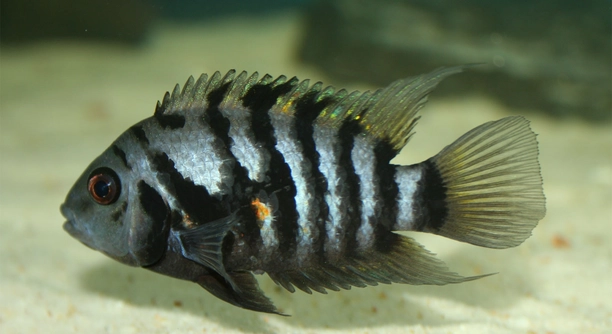
Many aquarium enthusiasts enjoy keeping cichlids because of their bright colors and lively behavior. Watching these fish interact can be very rewarding when they are healthy and happy. Knowing what to look for helps ensure they thrive in your care.
A happy cichlid shows clear, vibrant colors, active swimming, regular eating habits, and social interaction with tank mates. It also maintains clean fins and displays natural behaviors, which indicate good health and comfort in its environment.
Recognizing these signs will help you maintain a balanced and joyful aquarium for your cichlids. Understanding their needs supports their wellbeing over time.
Vibrant Colors and Clear Eyes
One of the first things you’ll notice with a happy cichlid is its vibrant coloration. Healthy cichlids display bright and rich colors that stand out clearly against the tank environment. Their colors usually deepen and become more intense when they are comfortable and stress-free. Along with vibrant colors, their eyes should appear clear and bright, not cloudy or dull. Cloudy eyes can indicate poor water quality or illness. When cichlids are stressed or sick, their colors often fade or look washed out. Good nutrition and clean water are key to maintaining their natural hues. Regular observation will help you notice any gradual changes in their appearance, which can be an early sign of health issues. Keeping their environment stable with proper temperature, pH, and hiding spots also supports their coloration. A colorful cichlid is a sign that it feels secure and well cared for.
Vibrant colors and clear eyes indicate a cichlid’s overall health and comfort in its habitat.
Maintaining optimal water conditions and providing a nutritious diet are essential to keeping your cichlid’s colors bright. Stress can dull their appearance quickly. If you notice faded colors, it might be time to check the tank parameters or adjust feeding routines. Providing a varied diet with quality flakes, pellets, and occasional live or frozen foods helps meet their nutritional needs. A well-decorated tank with plenty of places to explore and hide will reduce stress, encouraging natural behavior and vivid colors. Regular water changes prevent toxins that can affect their health and appearance. Watching your cichlid’s color changes can guide you to better care practices.
Active Swimming and Exploration
Active swimming is a key sign of a happy cichlid. These fish are naturally curious and enjoy exploring their surroundings. When healthy, they move confidently throughout the tank, investigating decorations and interacting with other fish. If a cichlid is lethargic or hiding constantly, it might be a sign of illness or discomfort. Regular activity shows they are comfortable and stress-free in their environment.
Observing your cichlid’s swimming patterns can reveal much about its health and mood.
A happy cichlid spends much of its time swimming around the tank, often patrolling its territory. It will not only explore but also defend its space calmly if other fish come too close. Their movements should be smooth, without signs of distress like darting or clamped fins. Adding varied tank decor and proper tank size encourages natural exploration and activity. Overcrowding or poor water quality can reduce their willingness to swim actively. Keep the tank clean and provide enrichment to promote constant movement. This behavior reflects their well-being and engagement with their habitat.
Regular Eating Habits
A happy cichlid eats regularly and shows interest in food. It will come to the surface or feeding area promptly when food is offered, showing good appetite and alertness.
Consistent eating habits are a clear sign of good health. Healthy cichlids will accept a variety of foods, including flakes, pellets, and live or frozen options. If a cichlid refuses food or eats very little over several days, it may indicate stress or illness. Monitoring their feeding behavior helps catch problems early. Offering small, frequent meals instead of one large feeding can encourage steady eating. Avoid overfeeding, as excess food pollutes the tank and can harm fish health.
A balanced diet supports vibrant colors, energy, and overall well-being. Ensuring your cichlid’s nutrition meets its needs keeps it active and happy. Fresh, quality food and a clean environment promote steady appetite and growth. Watching feeding responses regularly can help you adjust care as needed.
Social Interaction and Behavior
Cichlids are often social fish that enjoy interaction with their tank mates and environment. A happy cichlid will display calm but alert behavior around others, avoiding constant aggression or hiding.
Healthy social behavior means cichlids establish territories but do not constantly fight. They may engage in mild displays or posturing without causing injury. This behavior shows confidence and comfort. Aggression that leads to injuries or excessive hiding suggests stress or overcrowding. Grouping compatible species and providing sufficient space reduce tension. Some cichlids also show curiosity toward people watching the tank. This interest is a positive sign of engagement and trust. A well-maintained aquarium with balanced social dynamics encourages natural behaviors and less stress for all fish.
Clean Fins and Scales
Healthy cichlids have clean, intact fins and smooth scales without tears, discoloration, or spots. Damaged fins often indicate stress or disease.
Regularly check for any signs of fin rot or injuries caused by tank mates. Clean fins help fish swim properly and avoid infections.
Natural Behavior Patterns
Happy cichlids exhibit natural behaviors like digging, exploring, and sometimes breeding. These actions reflect their comfort and stimulation within the tank environment.
Providing a setup that mimics their natural habitat encourages these behaviors. Without such enrichment, they may become inactive or stressed.
Clear Breathing
Normal, relaxed breathing with no rapid gill movement indicates good health in cichlids.
Breathing should be steady and not labored.
Alertness and Responsiveness
Alert cichlids respond quickly to movement or changes outside the tank. This shows mental sharpness and a lack of stress.
FAQ
How can I tell if my cichlid is stressed?
Signs of stress in cichlids include faded colors, hiding more than usual, rapid breathing, and loss of appetite. They may also show erratic swimming or aggression toward tank mates. Stress often results from poor water quality, overcrowding, or sudden changes in the environment. Keeping the tank clean, maintaining stable water parameters, and providing enough space helps reduce stress.
What should I feed my cichlid for the best health?
A varied diet is best for cichlids. Include high-quality flakes or pellets designed for cichlids, along with occasional live or frozen foods like brine shrimp, bloodworms, or daphnia. Vegetables such as blanched spinach or peas can also be offered. Balanced nutrition supports their color, energy, and immune system.
How often should I change the water in my cichlid tank?
Perform partial water changes of about 20-30% every one to two weeks. Frequent water changes help keep the water clean and reduce toxins like ammonia and nitrates. Use a water conditioner to remove chlorine and chloramine before adding new water.
Can cichlids live with other fish?
Many cichlids can live with other fish if tank mates are chosen carefully. Avoid very small or overly aggressive species. Provide plenty of hiding spots and enough space to reduce territorial disputes. Research the specific species to ensure compatibility.
What is the ideal tank size for cichlids?
Tank size depends on the species, but a minimum of 30 gallons is recommended for smaller cichlids. Larger species need more space, sometimes 50 gallons or more. Bigger tanks allow better swimming room and help maintain water quality.
Why does my cichlid hide so much?
Hiding can be normal during rest or if the fish feels threatened. However, excessive hiding might indicate stress, illness, or poor water conditions. Ensure the tank has appropriate hiding places but also check water quality and behavior for other warning signs.
How do I encourage my cichlid to breed?
To encourage breeding, provide optimal water conditions with stable temperature and pH. Create a suitable environment with flat rocks or caves where they can lay eggs. Feeding high-quality and varied foods boosts their health and breeding readiness.
What are common health issues in cichlids?
Common problems include fin rot, ich (white spots), swim bladder issues, and bacterial infections. Poor water quality, stress, and improper diet often cause these illnesses. Early detection and treatment improve chances of recovery.
How can I reduce aggression in my cichlid tank?
Provide plenty of space, hiding spots, and visual barriers to break up territories. Avoid overcrowding and choose compatible species. Feeding regularly and maintaining good water quality also reduce stress-related aggression.
Is it important to maintain a specific water temperature?
Yes, most cichlids thrive between 74°F and 82°F (23°C to 28°C). Sudden temperature changes or extremes can cause stress and illness. Use a reliable heater and thermometer to keep the temperature stable.
Final Thoughts
Taking care of cichlids requires attention to their needs and watching for signs of happiness and health. A happy cichlid is easy to spot when it shows bright colors, swims actively, eats well, and interacts calmly with other fish. These signs mean your fish is comfortable in its environment and free from stress or illness. Keeping the water clean, feeding a balanced diet, and providing enough space are important parts of good care. When these basics are met, cichlids will thrive and show their best behaviors.
It’s important to remember that each cichlid species can have different needs and personalities. Some may be more aggressive or territorial, while others are more peaceful. Learning about the specific species you keep helps you create the right tank setup and choose suitable tank mates. Providing hiding spots and decorations that mimic their natural habitat also helps them feel secure. Watching how your cichlids behave daily can help you catch problems early. Early attention to changes in color, appetite, or activity can prevent serious health issues and keep your fish happy longer.
Finally, patience and consistency are key when caring for cichlids. Fish may take time to settle into a new tank or recover from stress. Regular tank maintenance, careful feeding, and monitoring water quality will keep your cichlids healthy. Enjoying their natural behaviors and bright colors is rewarding when you provide the right care. Keeping a calm and steady routine for your fish helps build a peaceful aquarium environment. With good care and attention, your cichlids can live healthy, happy lives.

Hello,
If you enjoy the content that we create, please consider saying a "Thank You!" by leaving a tip.
Every little bit helps us continue crafting quality advice that supports the health, happiness, and well-being of pets around the world, for pets of all shapes, sizes, and species.
We really appreciate the kindness and support that you show us!