
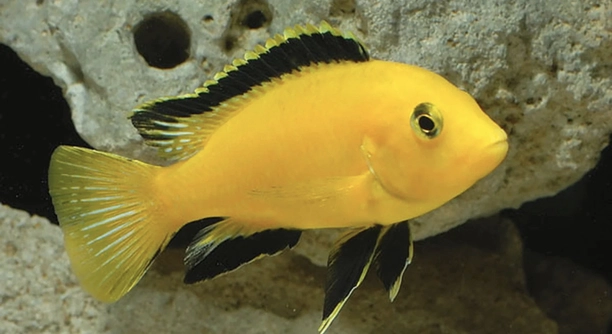
African cichlids are popular aquarium fish known for their vibrant colors and lively behavior. Many fishkeepers enjoy watching them interact with their environment and respond to sounds around them. Understanding how these fish perceive sound can improve their care and habitat.
African cichlids have the ability to detect vibrations and certain sound frequencies but do not hear human voices in the way people do. Their hearing is adapted to underwater sounds, mainly low-frequency noises rather than clear speech.
Learning more about how cichlids sense sound helps create better environments for their well-being and strengthens the connection between fish and owner.
How African Cichlids Perceive Sound
African cichlids rely on their lateral line system to detect vibrations in the water. This system helps them sense movement and pressure changes around them. Unlike humans, their hearing is not based on complex sounds like speech. Instead, they pick up low-frequency noises produced by other fish, water flow, or disturbances nearby. This ability helps them stay alert to predators and communicate with each other. While humans speak at higher frequencies, cichlids mainly respond to vibrations that travel through the water. This means that even if you talk near the aquarium, the fish do not hear your voice clearly. They might notice vibrations caused by your voice if it is loud enough, but it’s different from understanding words. Knowing this helps when interacting with cichlids, as sudden loud noises or vibrations may stress them.
Cichlids’ hearing is based on sensing water vibrations more than sound waves, making their perception very different from ours.
By understanding this, aquarium owners can create a calm environment that respects the fish’s natural way of sensing sound, reducing stress and encouraging natural behavior.
Can Talking to Cichlids Affect Them?
Talking near your cichlids won’t hurt them, but it doesn’t provide any clear communication either. The vibrations created by your voice might be detected, but the fish won’t recognize the meaning behind the sounds. Unlike dogs or cats, fish don’t respond to speech or tone in the same way. Instead, they are more likely to notice changes in water movement, light, or other environmental factors. This means that soft, calm voices near the tank won’t disturb them, but shouting or loud noises could cause stress. Maintaining a peaceful setting is best for their health. Some fishkeepers enjoy speaking to their fish as a way to stay connected, but it is the vibrations and gentle presence that the fish might react to more than the words themselves. This knowledge can help in caring for African cichlids properly.
How Sound Travels Underwater
Sound travels faster in water than in air, but its quality changes. Water carries low-frequency sounds well, while high-frequency sounds lose clarity quickly. This affects how fish like African cichlids perceive noises around them.
The water environment changes how sounds are heard. Vibrations move efficiently through water, allowing fish to detect distant movements or nearby disturbances. However, sounds such as human speech don’t keep their sharpness underwater. Fish mainly sense rhythmic vibrations and pressure changes. This means their hearing is more about feeling movement than identifying clear sounds. African cichlids rely on this to communicate and stay alert in their natural habitat.
In an aquarium, these conditions remain similar. Though tanks are smaller, water still filters sound differently than air. Owners speaking near tanks might create vibrations the fish notice, but those sounds are often muffled. This explains why cichlids respond more to sudden water movements or tank noises than to human voices.
The Role of the Lateral Line in Hearing
The lateral line is a special sense organ running along the sides of African cichlids. It detects changes in water pressure and movement, giving the fish detailed information about their surroundings.
This system helps cichlids respond quickly to nearby threats or other fish. It senses vibrations created by movement or sound waves traveling through water, rather than recognizing specific noises or speech. The lateral line allows fish to “feel” their environment, helping with navigation and communication within groups. It is especially important in murky water where visibility is low. Understanding the lateral line explains why African cichlids react to tapping or shaking the tank but don’t respond to spoken words like pets might. This biological feature is key to how they experience sound differently from humans.
Can African Cichlids Recognize Their Owners?
African cichlids do not recognize owners by voice like some pets do. They respond more to movement and vibrations near their tank than to specific sounds or faces.
They may become familiar with your presence through routine actions, such as feeding times or approaching the tank. This creates a sense of recognition, but it’s not based on hearing human voices.
How to Communicate with African Cichlids
Communication with cichlids happens mostly through visual signals and water vibrations. Gentle tapping or movements near the tank can catch their attention. Bright colors and body language play important roles in their interactions with each other.
Unlike mammals, they do not respond to spoken language but rely on environmental cues to understand changes. Paying attention to these signs helps in building trust and observing their natural behavior.
Impact of Loud Noises on Cichlids
Sudden loud noises can stress African cichlids and disrupt their natural behavior. Keeping the environment calm is best for their health and comfort.
FAQ
Can African cichlids hear human voices?
African cichlids do not hear human voices the way we do. Their hearing is tuned to detect vibrations and low-frequency sounds underwater. While they may sense the vibrations caused by a loud voice near the tank, they cannot understand or recognize speech like humans or some mammals can.
Do cichlids respond when you talk to them?
Most of the time, cichlids won’t respond directly to talking. They might react to sudden vibrations or movements you make while speaking, but this is a response to the physical disturbance rather than the sound of your voice. Quiet, calm talking close to the tank usually has little effect.
How do African cichlids communicate with each other?
Cichlids communicate using body language, color changes, and water vibrations. They may flare fins, change colors, or swim in certain ways to signal aggression, mating readiness, or territory defense. These signals are more important than sound for their social behavior.
Can loud noises harm cichlids?
Yes, loud noises and sudden vibrations can stress cichlids. Stress affects their immune system and behavior, sometimes leading to illness or hiding. It’s best to keep noise levels low near the aquarium and avoid banging or tapping the tank.
Is the lateral line the same as hearing?
The lateral line is not hearing in the traditional sense. It’s a sensory system that detects movement and pressure changes in water. This helps cichlids sense nearby motion, predators, or prey but does not process sound waves like ears do.
Do cichlids react to music or TV sounds?
Cichlids generally do not react to music or TV sounds because these noises do not create meaningful vibrations underwater. They might notice louder sounds if vibrations reach the water, but music or TV does not provide signals they understand.
How can I get my cichlids used to my presence?
Consistency helps. Approaching the tank at feeding times and moving slowly near the aquarium lets cichlids become familiar with your presence. Over time, they may swim closer or show less fear, but this is about routine and movement, not voice recognition.
Can cichlids tell individual humans apart?
Cichlids do not have the visual or cognitive ability to recognize individual humans. They may learn to associate certain movements or routines with food, but they do not form personal bonds based on human features or voices.
What kind of sounds do cichlids produce?
Some cichlids produce sounds by grinding their teeth or vibrating their swim bladders. These noises are low-frequency and used mostly for communication during mating or territorial disputes, not for recognizing human sounds.
Are vibrations from tapping the tank harmful?
Tapping the tank creates vibrations that can stress cichlids, especially if done often or loudly. It can disrupt their natural behavior and cause fear. It’s better to avoid tapping and provide a calm environment instead.
Does talking softly near the tank bother cichlids?
Soft talking near the tank usually does not bother cichlids. The vibrations are minimal, and they mostly ignore quiet sounds. Loud voices or sudden noises are more likely to cause stress.
Can cichlids learn to respond to training cues?
Cichlids can learn to associate certain actions, like hand movements or feeding signals, with food. This is more about pattern recognition than hearing voices. They respond to consistent cues over time but don’t understand spoken commands.
How important is sound for cichlids in the wild?
Sound and vibrations are important in the wild for communication, detecting predators, and navigating their environment. Low-frequency sounds travel well underwater and help cichlids survive. Human voices do not play a role in their natural habitat.
Should I worry about background noise near the aquarium?
Normal household noise is usually not a problem. However, very loud or sudden noises can stress fish. Maintaining a peaceful environment helps keep African cichlids healthy and active.
Can cichlids hear through their ears?
Cichlids don’t have ears like mammals but have inner ear structures that detect sound vibrations. These work with the lateral line to sense their surroundings but do not process complex sounds like human speech.
Does aquarium equipment make noise that bothers cichlids?
Filters, air pumps, and other equipment create constant low-level vibrations. Most cichlids get used to these sounds. Problems arise if equipment makes sudden loud noises or malfunctions, which can cause stress or fear.
African cichlids have a unique way of sensing the world around them, especially when it comes to sound. Unlike humans, they do not hear voices as clear words or tones. Instead, they detect vibrations and low-frequency noises that travel through water. This means that while your talking near the aquarium may cause small vibrations the fish notice, they are not actually hearing or understanding your voice. Their hearing is adapted for underwater life, where sounds behave differently. Knowing this helps set realistic expectations for how your cichlids respond to human presence.
Understanding how cichlids experience sound can help in providing a better environment for them. Loud noises and sudden vibrations may cause stress or fear, which is harmful to their health. Keeping the area around the tank calm and avoiding banging or tapping helps the fish stay comfortable and behave naturally. The lateral line system in cichlids is very sensitive to movement in the water, so gentle handling of the tank and steady routines can encourage them to feel safe. Though cichlids do not recognize voices or words, they can learn to associate your movements and presence with feeding or care over time.
Creating a peaceful space and respecting how African cichlids sense their surroundings strengthens the connection between you and your fish. While they do not respond to speech, their natural responses to movement and vibrations can make daily care a rewarding experience. Remember that fish communicate mostly through body language and water vibrations, not sounds like humans do. With this knowledge, you can better understand their behavior and make sure your cichlids enjoy a healthy and calm environment. This respect for their nature leads to happier, more active fish and a more enjoyable aquarium experience overall.

Hello,
If you enjoy the content that we create, please consider saying a "Thank You!" by leaving a tip.
Every little bit helps us continue crafting quality advice that supports the health, happiness, and well-being of pets around the world, for pets of all shapes, sizes, and species.
We really appreciate the kindness and support that you show us!