
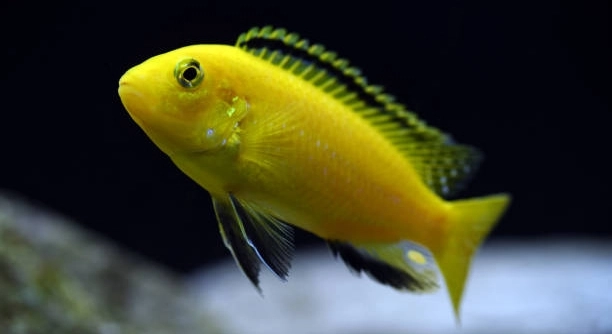
Cichlids are popular aquarium fish known for their vibrant colors and interesting behaviors. Many owners notice some actions that seem strange but are actually quite normal for these fish. Recognizing these behaviors helps keep your fish healthy and happy.
Unusual behaviors in cichlids, such as head shaking, digging, or fin flicking, are common and natural. These actions serve purposes like communication, territory marking, or stress relief and are not usually signs of illness or poor care.
Learning about these behaviors can improve your experience as a fish keeper and help you better understand your aquatic pets. There is more to their actions than meets the eye.
Head Shaking and Body Wriggling
Cichlids sometimes shake their heads or wiggle their bodies in ways that might look odd at first. This behavior is usually a way for them to clean themselves or get rid of irritation. It can also be a sign of excitement or a response to something new in their environment. If you notice your cichlid doing this regularly, it is often just a normal activity. However, if the shaking seems violent or your fish looks stressed, it could mean a water quality problem or parasites. Keeping the tank clean and checking water parameters regularly helps reduce discomfort for your fish. These small movements are part of their daily routine and help them stay comfortable.
This shaking behavior does not usually indicate a serious problem. It is simply one way cichlids maintain their health and react to their surroundings.
Watching these movements closely can give you clues about your fish’s well-being. It’s important to know when it is normal and when to act.
Digging and Moving Substrate
Cichlids are known for moving sand or gravel around their tank, which can sometimes seem disruptive. They do this to create hiding spots, search for food, or mark their territory. This behavior is natural and shows their instinct to control their environment. In a home aquarium, this digging can rearrange decorations or expose plant roots, but it helps the fish feel safe and secure. To manage this, many keepers use heavier decorations or plants in pots to reduce constant disturbance. Providing enough space and suitable substrate encourages healthy digging habits without harming plants or tank setup.
Their digging helps with nesting and breeding too, as many species prepare specific areas for laying eggs. This behavior is a key part of their daily life.
If the digging seems excessive or causes damage, consider adjusting tank layout or offering more hiding spots to satisfy their needs. Cichlids thrive when their natural behaviors are supported.
Fin Flicking and Flare Displays
Fin flicking is a common behavior in cichlids, often used to communicate or show dominance. It can signal excitement or warn other fish to keep their distance. These quick movements are part of their natural social interaction.
This behavior usually occurs during feeding times or when new fish are introduced. The flicking helps establish hierarchy without serious fighting. When a cichlid flares its fins, it looks bigger and more intimidating. This display can prevent physical confrontations by showing strength and confidence. Fin flicking is not a sign of distress but a way to communicate boundaries in the tank.
Understanding fin flicking helps you recognize normal social behavior in your cichlids. It can reduce worry about aggression when you see these movements, knowing they are part of their natural routine. Keep an eye on overall fish health to ensure this behavior stays balanced and healthy.
Mouth Brooding and Parental Care
Many cichlids show strong parental care through mouth brooding, where they carry eggs or fry in their mouths for protection. This behavior ensures the young stay safe from predators and debris. Mouth brooding is a fascinating example of parental investment in fish.
The parent keeps the eggs or fry in its mouth until they are ready to swim freely. During this time, the fish might stop eating or become less active to protect their offspring. Mouth brooding parents are usually more aggressive and protective of their space. It is important not to disturb them during this period, as stress can harm the young. This behavior demonstrates the care cichlids put into raising their young, making them unique among aquarium fish.
Recognizing mouth brooding helps you support your fish during breeding. Providing a calm environment and minimal disturbance allows parents to successfully raise their fry. This natural behavior adds depth to the experience of keeping cichlids.
Color Changes
Cichlids often change color depending on their mood, health, or environment. These shifts can be subtle or dramatic and are a normal part of their behavior.
Color changes help them communicate with other fish or adapt to lighting and surroundings. Watching these shifts can give clues about how your fish feels.
Territory Guarding
Cichlids are very protective of their space. They may chase or block other fish to defend their territory, especially during breeding or feeding times. This behavior helps reduce conflicts by setting clear boundaries.
Providing enough space and hiding spots in the tank can reduce aggression and keep the peace among your fish.
Resting and Hiding Spots
Cichlids often rest or hide in caves, plants, or decorations. These spots give them a sense of security and a break from stress or tank mates.
Offering a variety of hiding places supports their natural behavior and promotes a healthy environment.
Why do my cichlids dig up the plants in the tank?
Cichlids dig to create spaces for hiding, nesting, or just to explore their environment. This digging is a natural behavior that helps them feel safe and secure. They may uproot plants because the roots get in their way or because they want to build a nest area. Using heavier pots or rocks to anchor plants can help protect them, but some digging is normal and expected.
Is it normal for cichlids to flick their fins often?
Yes, fin flicking is a common way for cichlids to communicate. It can show excitement, warn other fish to keep distance, or signal dominance. This behavior is natural and usually not a sign of illness or stress. Watching their fin flicking can help you understand their social interactions and mood.
Why do cichlids change color suddenly?
Color changes are normal and often reflect mood, health, or environmental factors. Bright colors might mean the fish feels confident or is ready to mate, while dull colors could indicate stress or illness. Changes in lighting or water quality can also cause shifts in color. Keeping stable tank conditions helps maintain their vibrant appearance.
What does it mean when my cichlid shakes its head?
Head shaking usually helps cichlids remove irritants or clean themselves. It can also be a reaction to something new or a way to communicate. If the shaking is violent or constant, check for water quality issues or parasites. Otherwise, it’s a normal part of their behavior.
Why do cichlids carry eggs or fry in their mouths?
Mouth brooding is a protective behavior where parents carry their young to keep them safe from predators or debris. The parent may stop eating or stay less active during this time. It’s important not to disturb them to reduce stress and support successful breeding.
How aggressive are cichlids with each other?
Cichlids can be territorial and show aggression, especially during breeding or feeding. They use displays and chasing to establish boundaries. Providing enough space and hiding places can reduce fights and stress. Aggression is part of their natural behavior but can be managed in a well-planned tank.
Are cichlids social fish?
Many cichlid species prefer to live in groups but need space to avoid constant fighting. Some species are more aggressive, while others tolerate tank mates better. Understanding the needs of your specific cichlid helps create a balanced community.
Why do cichlids sometimes hide for long periods?
Hiding gives cichlids a break from stress or aggressive tank mates. It also helps them feel safe, especially during molting or illness. Providing plenty of hiding spots encourages natural behavior and reduces stress.
Can fin flicking be a sign of illness?
Usually, fin flicking is normal. However, if it is accompanied by other symptoms like clamped fins, lethargy, or loss of appetite, it may signal stress or disease. Monitoring overall behavior and water quality is key to keeping your fish healthy.
How can I reduce digging behavior without upsetting my cichlids?
You can provide designated digging areas with loose substrate or use decorations that allow natural behavior. Avoid sharp or delicate plants and add heavier pots or rocks to protect valuable plants. This balance lets your cichlids express natural instincts safely.
Cichlids are fascinating fish with many behaviors that can seem unusual at first. Understanding these behaviors helps create a better environment for them and reduces worry about their actions. Many things they do, like digging, fin flicking, or changing color, are normal parts of how they live and interact. Knowing this allows owners to provide care that supports their natural habits and keeps them healthy.
Watching your cichlids closely over time helps you recognize what is typical for them. Some behaviors, like mouth brooding or territory guarding, show how they care for themselves and their young. These actions may seem strange but are important for their survival and comfort. When you see these behaviors, it is a sign that your fish are active and behaving naturally. It is also important to keep their tank clean and well-maintained to prevent stress and illness, which can affect behavior negatively.
Creating a peaceful and balanced tank environment makes a big difference. Providing enough space, hiding spots, and suitable substrate encourages healthy behaviors. It also reduces aggressive actions that can happen when fish feel crowded or threatened. By learning about the unusual but normal behaviors of cichlids, you become better at meeting their needs. This knowledge helps your fish live longer, healthier lives and makes the experience of keeping them more rewarding.

Hello,
If you enjoy the content that we create, please consider saying a "Thank You!" by leaving a tip.
Every little bit helps us continue crafting quality advice that supports the health, happiness, and well-being of pets around the world, for pets of all shapes, sizes, and species.
We really appreciate the kindness and support that you show us!