
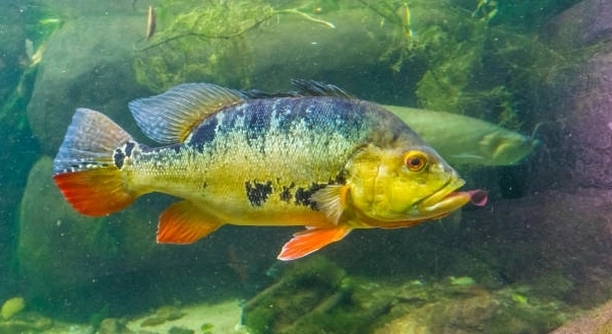
Do your cichlids seem uninterested in breeding, even though you’ve done everything by the book to set the stage?
Cichlids may lose interest in breeding due to stress, poor water conditions, lack of compatible mates, or improper diet. Environmental changes and territorial disputes can also impact their willingness to reproduce successfully.
Learning the specific reasons behind this behavior can help you make better choices and create a more supportive habitat for your fish.
Poor Water Quality
When the water isn’t right, cichlids can become stressed and stop breeding. These fish are sensitive to changes in pH, ammonia, nitrite, and nitrate levels. Even small shifts outside their preferred range can affect their mood and behavior. Dirty or overcrowded tanks also make things worse. Regular water changes are key, along with using a reliable water testing kit. Try to keep the tank clean, well-filtered, and stable. If your fish seem sluggish, avoid pairing, or stop guarding eggs, test the water immediately. Stable water conditions create a sense of safety, which encourages breeding. Without that comfort, many cichlids will simply shut down reproductively. Make sure the tank temperature is within the right range for the specific species you keep. If your fish came from a local breeder, ask what water conditions they use. Matching those conditions can make a big difference in how your cichlids behave in your care.
A well-maintained tank with stable conditions can quickly boost breeding interest again.
Once you fix any water quality issues, give your fish a few days to adjust. You may start to see changes in behavior like digging, chasing, or pairing off. These are good signs. Watch for egg laying or territory defense shortly after.
Stress From Aggression
Fighting and bullying inside the tank often cause cichlids to stop breeding.
Aggressive behavior between tank mates can interrupt bonding, create fear, and lead to injury. When fish are constantly harassed or forced to defend themselves, breeding is no longer a priority. Some cichlid species are more territorial than others, and overcrowding often brings out their worst side. If too many fish are squeezed into one tank, competition rises. Males may become overbearing, and females may have no safe space to rest. One way to help is by rearranging the tank layout. Breaking up sightlines with rocks or plants can reduce direct contact and offer hiding spots. You might also need to remove especially aggressive individuals or move certain fish to another tank. If possible, keep a breeding pair in a separate tank altogether. This gives them privacy and a calm space. Less stress and more space usually lead to better interactions and higher chances of successful breeding.
Incompatible Mating Pairs
Some cichlids simply don’t get along with the partners they’re paired with. This mismatch can cause rejection, constant chasing, or total disinterest in breeding. Incompatible pairs may never bond, no matter how perfect the tank setup seems.
When a pair is incompatible, one fish might constantly avoid the other or show signs of fear. This behavior often means the dominant fish is too aggressive or the submissive fish doesn’t feel safe. Even when both fish are healthy, they won’t breed unless they feel comfortable together. Sometimes, choosing mates too young or from different bloodlines affects compatibility. Swapping one of the fish for a different partner can help. Watch for signs like synchronized swimming, gentle nudging, or shared hiding spots—these are all good signs of bonding. If you don’t see these, your fish may just not be a good match.
In larger tanks, letting cichlids choose their mates naturally often leads to more success. You can do this by keeping several males and females together and observing who pairs off. This works well for species that form long-term bonds. Once a strong pair forms, remove the others to avoid stress. Pairing naturally helps build trust and increases the chances of successful spawning and fry care.
Lack of Proper Hiding Spots
Without proper hiding spaces, cichlids may feel exposed and vulnerable. This prevents them from pairing off or laying eggs. Rocks, caves, and plants create shelter and give females a place to retreat from pushy males or potential threats. Lack of cover causes stress and delays breeding.
Many cichlid species, especially those from Lake Tanganyika or Lake Malawi, need structured areas where they can feel secure. Sheltered spaces also allow breeding pairs to set up territories, which helps reduce conflict with other tank mates. You don’t need fancy decorations—clay pots, stacked stones, or even PVC pipes can work well. Try to mimic their natural environment as closely as possible. Spread the hiding spots around the tank to give each fish its own zone. Doing this encourages natural behaviors like digging and guarding, both of which are signs that breeding may follow soon. It also helps weaker fish avoid aggressive ones.
Wrong Diet
A poor diet can make cichlids weak and uninterested in breeding. Without enough protein and essential nutrients, their energy levels drop. Overfeeding or feeding only flakes may lead to health issues that reduce breeding success.
Try offering a mix of high-quality pellets, frozen foods, and occasional live treats. This supports healthy egg and sperm production.
Unstable Tank Conditions
Frequent changes in temperature, lighting, or tank mates can confuse cichlids and interrupt breeding cycles. These fish prefer consistency. Sudden disruptions—like moving decorations, loud noises, or changes in water flow—can cause them to delay or stop breeding altogether. Stick to regular maintenance routines, and avoid sudden changes that might stress your fish.
Inexperienced or Young Fish
Young cichlids may show interest in pairing, but they often don’t follow through with successful breeding. Some need time to mature and learn social behaviors before they can form lasting pairs or care for their eggs properly.
FAQ
Why do my cichlids suddenly stop breeding after weeks of success?
Cichlids can stop breeding if there are changes in their environment or social setup. Even small shifts in water quality, temperature, or tank mates can cause stress. Stress lowers their interest in breeding. Also, breeding can be exhausting, and fish sometimes need rest periods to recover. Over time, if the tank feels unstable or overcrowded, cichlids may stop pairing or guarding eggs. Watch closely for signs of stress like hiding, loss of appetite, or aggression. Keeping conditions stable and giving your fish space to rest between breeding cycles helps maintain their interest.
How can I tell if my cichlids are compatible mates?
Compatible cichlids often swim close together and show gentle behaviors like nudging or cleaning each other. They defend a shared territory and cooperate when guarding eggs or fry. Incompatible pairs avoid one another or show constant chasing and aggression. Compatibility depends on species, age, and individual temperament. Observing their behavior over several days will reveal if they bond or not. If they fight or ignore each other, trying different pairings is usually necessary.
Can poor water quality alone stop breeding?
Yes. Poor water quality is a common reason cichlids lose interest in breeding. High ammonia or nitrite levels, or sudden pH swings, cause stress and illness. Dirty tanks can lead to infections that affect reproductive health. Even if fish appear healthy, subtle water issues can disrupt breeding behavior. Regular water testing and changes are essential to keep water safe and stable for breeding.
What is the best diet to encourage cichlid breeding?
A balanced diet with high protein content supports breeding readiness. Use quality pellets designed for cichlids, supplemented with frozen or live foods like brine shrimp, bloodworms, or daphnia. These foods boost energy and improve egg and sperm quality. Avoid overfeeding or feeding only flakes, which lack nutrients. Varying the diet keeps fish healthy and interested in breeding.
How much space do cichlids need to breed successfully?
Cichlids need enough room to establish territories and avoid stress from overcrowding. Space requirements depend on species, but generally, a minimum of 30 gallons for a pair is recommended. Larger tanks with more hiding spots reduce aggression and encourage natural behaviors. Overcrowded tanks lead to fights and stress, which stops breeding. Giving fish enough space helps them feel secure and ready to reproduce.
Why do cichlids hide instead of breeding?
Hiding is usually a sign of stress or insecurity. Without enough cover or when threatened by tank mates, cichlids retreat to stay safe. If fish don’t feel comfortable, they won’t breed. Adding caves, plants, or rocks creates safe zones. This encourages natural behavior like territory building and egg guarding. Reducing aggression and providing hiding spots are essential steps to support breeding.
Can young or inexperienced cichlids breed?
Young cichlids might show early interest, but they often lack the maturity or experience to breed successfully. It takes time for them to learn how to court, defend territory, and care for eggs or fry. For better results, wait until fish reach proper size and age before encouraging breeding. Patience pays off in healthier offspring and less stress for parents.
How do I reduce aggression to improve breeding chances?
Reducing aggression means managing tank population, rearranging décor, and adding hiding spots. Avoid overcrowding and separate overly aggressive fish if needed. Creating territories with rocks and plants breaks up lines of sight and reduces confrontations. Keeping only one breeding pair in a tank also limits competition and stress. Calm fish focus more on breeding than fighting.
Is temperature important for cichlid breeding?
Yes, temperature plays a key role in triggering breeding behavior. Most cichlids breed best between 75°F and 82°F, depending on species. Too cold or too warm water stresses fish and delays breeding. Use a reliable heater and thermometer to maintain steady temperatures. Sudden shifts can cause fish to stop courting or caring for eggs. Maintaining optimal temperature encourages natural reproductive cycles.
How long does it take for cichlids to breed once conditions improve?
Once conditions are right, cichlids can start showing breeding behaviors within a few days to a week. They may begin cleaning surfaces, digging, or pairing off. Actual egg laying depends on species and individual fish. Patience is important, as some cichlids take longer to feel secure enough to spawn. Providing a stable, stress-free environment speeds up this process.
What signs show that cichlids are ready to breed?
Signs include territorial behavior, increased chasing (without harm), digging in the substrate, and cleaning surfaces. Males often brighten in color and display to females. Pairs may swim close together or guard a specific area. Females may appear fuller when carrying eggs. Observing these behaviors means your fish are preparing to spawn and need calm surroundings.
Can changes in lighting affect breeding?
Yes, lighting influences breeding cycles. Too much light or sudden changes can stress fish. A consistent day/night cycle mimics natural conditions and helps regulate hormones. Some breeders use slightly dimmed lights during breeding to reduce stress. Avoid direct sunlight or strong artificial light that might disturb fish behavior. Maintaining a stable light schedule supports healthy breeding habits.
When cichlids lose interest in breeding, it can be frustrating and confusing. Many factors affect their willingness to reproduce, including water quality, stress, diet, and tank conditions. Each element plays an important role in creating an environment where cichlids feel safe and ready to breed. Taking care of these needs helps your fish stay healthy and comfortable, which is necessary for successful breeding. Sometimes, small adjustments in tank maintenance or fish management can make a big difference. Paying close attention to your cichlids’ behavior and habitat will guide you in making the right changes.
It is also important to remember that not all cichlids will breed easily or quickly. Some species require very specific conditions, while others may need time to mature or find compatible mates. Breeding is a natural process that can take patience and careful observation. Avoid rushing or forcing breeding by overcrowding or stressing the fish. Instead, focus on creating stable water conditions, providing a balanced diet, and offering plenty of hiding places. Managing aggression and choosing the right pairs also help. When fish feel secure, their natural instincts come forward, increasing the chances they will breed successfully.
Overall, breeding cichlids is a delicate balance between environment, health, and behavior. It is normal to face challenges along the way. By understanding the common reasons why cichlids lose interest in breeding, you can better support your fish and improve their chances. Keep in mind that each tank and fish is unique, so solutions might take time to show results. Staying patient and observant will help you learn what works best. With consistent care and attention, your cichlids can regain interest in breeding and thrive in their home.

Hello,
If you enjoy the content that we create, please consider saying a "Thank You!" by leaving a tip.
Every little bit helps us continue crafting quality advice that supports the health, happiness, and well-being of pets around the world, for pets of all shapes, sizes, and species.
We really appreciate the kindness and support that you show us!