
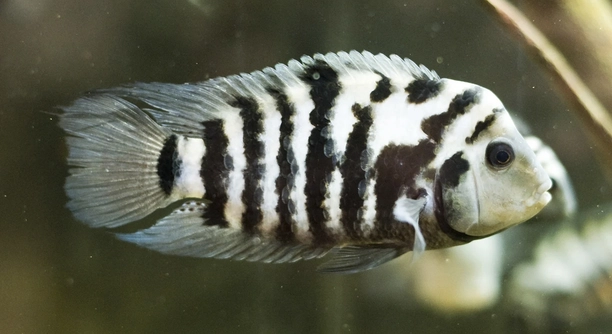
African cichlids are popular freshwater fish known for their bright colors and social behaviors. Many aquarium enthusiasts enjoy watching how these fish interact within their groups. Learning whether they can learn from each other adds a new layer to understanding their behavior.
Research indicates that African cichlids can observe and imitate the behaviors of other fish in their group. This social learning helps them adapt to new environments and find food more efficiently. Such abilities demonstrate cognitive flexibility in these species.
This article explores how these fish communicate and adapt through observation. Understanding their social learning can improve how we care for and keep them healthy in captivity.
How African Cichlids Learn From Each Other
African cichlids show social learning through observation. When one fish finds food, others watch and follow. This behavior helps them survive in changing environments. They can also learn to avoid dangers by noticing how other fish react. These fish use visual cues and movements to understand what’s happening around them. This kind of learning is not just instinct but shows their ability to adapt. Studies reveal that cichlids can remember these behaviors and use them later. This makes their social groups more efficient and stable. In captivity, this means they can adjust to new tankmates and routines faster than expected. Their ability to learn from each other influences how they interact, feed, and stay safe. It highlights the importance of group dynamics in their daily life.
This social learning strengthens group bonds and helps maintain harmony in their environment. It improves their chances of survival.
Watching how they learn from each other offers insights into their intelligence and adaptability. These observations can guide better aquarium care practices.
The Role of Observation in Cichlid Behavior
Observation is key to cichlid learning. They watch and mimic actions to gain knowledge.
Cichlids rely heavily on observation to learn new skills. For example, if one fish discovers a hiding spot or a food source, others quickly notice and use the same tactic. This behavior reduces the time each fish spends experimenting alone. Instead, they benefit from the experiences of others, which increases the whole group’s efficiency. In aggressive or competitive situations, observing the reactions of dominant fish helps subordinates avoid conflict. This minimizes injuries and stress in the group. Observation also plays a part in mating rituals, where males and females watch each other to identify suitable partners. The learning from these visual cues impacts social ranking and reproduction success. Overall, their ability to watch and copy behaviors is a survival mechanism shaped by their natural habitat’s demands. It allows them to adapt without needing direct trial and error constantly.
Learning Through Imitation
African cichlids often copy the actions of others to quickly adapt. Imitation helps them discover food sources or avoid threats without direct experience.
Imitation speeds up learning by allowing fish to bypass trial and error. For example, when one fish discovers a new feeding area, others follow rather than searching alone. This behavior reduces risk and conserves energy. Imitation also plays a role in social interactions, where younger or less dominant fish mimic more experienced individuals to improve their social standing or avoid conflict.
In captive environments, this imitation behavior means cichlids can adjust faster to new tank conditions and other fish. It shows their capacity for social learning is strong and practical for survival. Observing how they imitate reveals much about their intelligence and adaptability.
Factors Influencing Social Learning
Social learning in cichlids depends on group size, environment, and individual personality traits.
Larger groups provide more opportunities for observation and learning, as fish have many examples to watch. Environmental complexity also influences learning; varied surroundings encourage more observation and exploration. Individual differences matter too, as some fish are naturally more curious or bold, making them quicker learners or leaders in the group. Stress levels can impact learning ability—calmer fish tend to learn better from others. These factors shape how effectively cichlids pick up new behaviors and adapt to changes, whether in the wild or in an aquarium setting.
Benefits of Social Learning
Social learning helps cichlids avoid dangers and find resources faster. It reduces the time and energy spent on trial and error.
This learning also strengthens group cohesion. Fish that learn together tend to stay more organized and less aggressive, which benefits their survival and well-being.
Challenges in Learning From Others
Not all cichlids learn equally well. Some may struggle to imitate or follow group behavior, especially if they are stressed or isolated.
How Environment Shapes Learning
A complex environment with hiding spots and varied terrain encourages cichlids to observe and learn from each other more actively. Such settings provide more opportunities for social interaction and skill development.
Observing Behavior in Captivity
Watching cichlids in a tank reveals their social learning abilities clearly. They quickly adapt to changes and new tankmates by observing others.
Can African cichlids learn from each other?
Yes, African cichlids can learn from each other by observing and imitating behaviors within their group. This social learning helps them find food, avoid predators, and navigate their environment more efficiently. It is a key survival skill in both wild and captive settings.
How do cichlids learn through observation?
Cichlids watch the actions of other fish and copy them. For example, if one fish finds food or a hiding place, others follow its lead. This allows the group to benefit from the experiences of a few individuals without each needing to explore alone.
Do all cichlids learn at the same rate?
No, learning varies by individual. Some cichlids are naturally bolder or more curious, which helps them pick up new behaviors faster. Stress, health, and tank conditions can also affect their ability to learn from others.
What role does the environment play in cichlid learning?
A more complex environment encourages better learning because fish have more things to observe and explore. Hiding places and varied terrain make social learning more useful, as fish share strategies to use these features for safety and feeding.
Can cichlids learn new behaviors in captivity?
Yes, cichlids in tanks can learn new behaviors by watching tankmates. They quickly adapt to changes like new food types or the introduction of other fish. This adaptability makes social learning valuable for aquarium care.
How does social learning affect cichlid aggression?
Social learning can reduce aggression by teaching subordinate fish to recognize dominant individuals and avoid unnecessary conflict. When fish learn from each other, they establish clearer social roles, which helps maintain peace in the group.
Is imitation the only way cichlids learn socially?
While imitation is the most common method, cichlids also learn by following others’ actions and sometimes by trial and error influenced by what they see. These combined methods allow flexible learning strategies.
How can understanding cichlid learning improve aquarium care?
Knowing that cichlids learn socially helps aquarists design better tanks. Providing opportunities for observation and minimizing stress can improve fish behavior and health. It also encourages keeping groups rather than isolated individuals for better social interaction.
Do younger cichlids learn from older fish?
Yes, younger or less experienced cichlids often observe older, more dominant fish to learn feeding techniques, social behavior, and safe hiding spots. This mentorship-like behavior supports the development of survival skills.
Can stress impact a cichlid’s ability to learn socially?
Stress negatively impacts learning. Fish under constant threat or poor water conditions may become less responsive and less likely to observe or imitate others. Reducing stress through good tank management improves social learning.
Are there limits to what cichlids can learn from each other?
Yes, while cichlids are intelligent, they have limits. Complex problem-solving or behaviors outside their natural instincts may be harder to learn socially. Their learning mostly focuses on survival-related tasks.
How quickly can cichlids adapt to new situations by learning socially?
They can adapt fairly quickly, sometimes within hours or days. This fast learning helps them respond to changes like new tankmates, altered feeding schedules, or environmental changes, increasing their chances of thriving.
Can social learning lead to better group survival?
Yes, when cichlids share knowledge and copy successful behaviors, the entire group benefits. They find food more easily, avoid dangers, and maintain social order, all of which increase survival rates.
Is social learning unique to African cichlids?
No, many fish species show social learning. However, African cichlids are especially notable for their complex social structures and learning abilities, making them a good example of this behavior.
What are signs that a cichlid is learning from others?
Signs include following a leading fish to food, copying escape responses, or adopting social behaviors like displaying or submitting. Changes in behavior after observing others usually indicate learning.
How can I encourage social learning in my aquarium?
Keep fish in appropriate groups, provide a varied environment, and avoid sudden stressful changes. Introducing new behaviors or objects slowly allows fish to observe and learn comfortably.
Does social learning improve cichlid intelligence?
Social learning itself is a sign of intelligence rather than a cause of it. It demonstrates that cichlids have cognitive abilities to observe, remember, and imitate, which are important aspects of animal intelligence.
Can social learning affect cichlid breeding behavior?
Yes, observing mating displays or nest-building by others helps fish learn proper reproductive behaviors. This improves breeding success in groups with experienced individuals.
Are all species of African cichlids equally good at social learning?
No, some species show stronger social learning tendencies depending on their natural habitats and social complexity. Species that live in larger, more complex groups tend to be better learners.
How important is social learning for wild African cichlids?
It is vital. In the wild, quick adaptation through social learning can mean the difference between finding food and being caught by predators. This skill supports their survival in dynamic environments.
African cichlids show an impressive ability to learn from each other. Their social learning helps them find food, avoid danger, and navigate their environment with greater ease. This ability is not just instinctual but involves observing and copying behaviors from other fish. Such learning improves their chances of survival both in the wild and in captivity. It also makes their social groups more stable and efficient. When cichlids watch and imitate, they reduce the risks that come from trial and error. This ability highlights how smart these fish can be, even though they are small.
The environment and group dynamics play important roles in how well cichlids learn socially. Fish living in larger groups or more complex habitats have more chances to observe others and try new behaviors. Individual differences among fish also matter. Some are naturally bolder or more curious and therefore quicker learners. Stress and poor tank conditions can make it harder for them to focus and learn. By understanding these factors, aquarists can create better conditions for their fish. Providing enough space, hiding spots, and reducing stress will help cichlids learn and adapt better. This, in turn, can lead to healthier, happier fish.
Social learning among African cichlids is a fascinating aspect of their behavior that deserves attention. Watching how they interact and adapt can teach us much about their intelligence and needs. It also shows the importance of keeping them in social groups rather than alone. When cared for properly, these fish will use what they learn from each other to thrive. Their ability to observe, imitate, and adapt is an essential part of their survival strategy. Keeping this in mind helps us provide better care and enjoy a more dynamic, lively aquarium environment.

Hello,
If you enjoy the content that we create, please consider saying a "Thank You!" by leaving a tip.
Every little bit helps us continue crafting quality advice that supports the health, happiness, and well-being of pets around the world, for pets of all shapes, sizes, and species.
We really appreciate the kindness and support that you show us!