
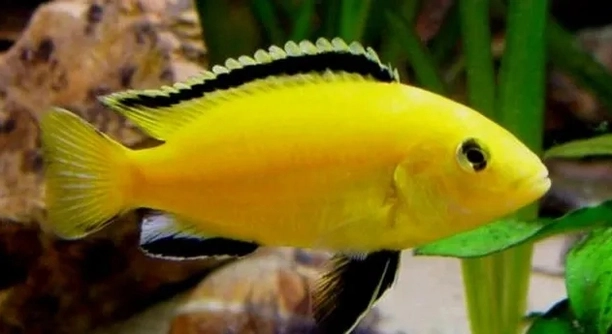
Have you ever noticed your African cichlids shaking during breeding and wondered what that movement really means for their behavior?
The shaking behavior in African cichlids during breeding is a natural part of their courtship ritual. It serves multiple functions, including communication, establishing dominance, attracting a mate, and stimulating the female to lay eggs.
Understanding this behavior helps you create a supportive environment for your fish and ensures their breeding process remains healthy and stress-free.
Reason 1: Shaking Signals Mating Intent
When African cichlids are ready to breed, the male often begins to shake in front of the female. This shaking is not random; it’s a deliberate signal showing that he wants to mate. The motion helps attract the female’s attention and encourages her to approach his nesting area. In many species, this dance includes head-tilting, flaring fins, and quick body vibrations. These behaviors communicate health and strength, which are important for successful breeding. The shaking also helps establish a pair bond, preparing both fish for spawning. In some cases, the male performs this behavior several times before the female agrees.
This motion is entirely natural and does not mean your fish are sick or stressed.
You’ll notice the shaking increases when the female is nearby and becomes less frequent once mating is underway. It’s part of a complex interaction that supports reproduction in their aquarium environment.
Reason 2: Establishing Dominance
Shaking during breeding also helps males establish dominance in the tank.
Males often compete for the attention of females, and shaking becomes a visual display of strength. These movements tell other males to back off while showing females who is strongest. In tanks with multiple males, these displays are more intense and frequent. The most dominant male will often claim a specific territory and shake to keep it. If another male enters this space, shaking is used as a warning, possibly followed by chasing or nipping.
This behavior reduces the need for physical fights. The goal is to claim territory without causing injury. When the dominant male shakes, it communicates ownership and confidence. Females prefer these strong displays because it shows the male can protect a nesting site. However, it’s important to monitor the tank and ensure that one fish isn’t becoming too aggressive. If aggression rises, consider separating them or adding more hiding spaces.
Reason 3: Encouraging the Female to Lay Eggs
Shaking plays a key role in encouraging the female to lay her eggs. The male uses this motion to guide her toward the spawning site he has prepared, often in a flat area or small pit.
Once the female responds to the male’s shaking, she approaches the site and begins laying eggs. The male usually continues shaking throughout this process to keep her engaged and focused. In mouthbrooding species, the female will pick up the eggs in her mouth after laying them. The shaking helps synchronize this exchange. This coordination ensures that fertilization happens efficiently and the eggs are protected immediately. It’s a careful process, and the shaking motion helps maintain rhythm between the pair. Observing this moment can be quite interesting, especially if you’re seeing it for the first time. It reflects a natural process that is important to the success of their breeding cycle.
The male’s shaking also keeps nearby fish at a distance. It draws attention to his presence and signals that this space is already occupied. This behavior protects the female during the vulnerable time of egg-laying. By doing this, the male helps maintain peace around the nest. It’s a simple but useful part of the breeding interaction.
Reason 4: Stimulating Fertilization
Shaking also helps trigger fertilization, especially in mouthbrooding cichlid species. It draws the female’s focus toward the male’s egg spots, which she mistakes for real eggs and attempts to collect.
When the female picks up the actual eggs she’s just laid, the male continues to shake and positions himself in a way that displays his egg spots—bright dots usually found on his anal fin. As she tries to take these into her mouth, the male releases sperm, fertilizing the real eggs already in her mouth. This action relies on precise timing. The shaking keeps her attention and ensures she’s in the right position for fertilization to happen quickly. It’s a natural, effective system developed through instinct.
If this behavior is interrupted or if the male is inexperienced, the process may not be as smooth. Fertilization may fail, and eggs may be swallowed or dropped. In a calm tank with the right conditions, however, this behavior leads to a high success rate.
Reason 5: Marking Territory
During breeding, shaking is also used to mark territory. Males shake near caves, rocks, or flat surfaces to claim them as spawning sites. This action lets others know the space is taken and should not be disturbed.
Territory marking with shaking helps maintain order in the tank. It reduces fights and keeps females safe while laying eggs. By signaling ownership clearly, males limit conflict and stress, allowing for a more peaceful environment.
Reason 6: Releasing Built-Up Energy
Breeding is an active and demanding period for African cichlids, and shaking may help them release physical energy. The males especially stay alert and constantly patrol their territory, which builds tension. Shaking becomes a quick way to release this energy without aggression. It helps them stay responsive while avoiding injury.
Reason 7: Keeping the Female Focused
Shaking helps the female stay focused during spawning. It keeps her near the nest and reduces distractions from tank mates.
Why do African cichlids shake more during breeding?
Shaking increases during breeding because it is part of their natural courtship and mating behaviors. The males use shaking to attract females, show dominance, and encourage egg laying. This behavior also helps synchronize spawning activities, making the process more efficient. It is a sign of healthy and active breeding rather than stress or illness.
Is shaking a sign of aggression in African cichlids?
Not always. While shaking can be used to establish dominance and mark territory, it is usually a non-aggressive display. Aggression in cichlids tends to include chasing, biting, or flaring fins more intensely. Shaking serves to communicate rather than fight, helping to avoid physical conflict.
Can shaking harm my fish during breeding?
No, shaking itself is a normal behavior and does not harm the fish. However, if it is paired with aggressive chasing or fighting, then injuries might occur. Providing enough space and hiding spots reduces the risk of harm during these active periods.
Should I intervene if my cichlids shake excessively?
Excessive shaking alone is not a problem. It indicates active breeding behavior. Intervention is only necessary if shaking is accompanied by stress signs, such as loss of appetite, lethargy, or injuries caused by fighting. Maintaining good water quality and tank conditions supports healthy behavior.
Does shaking happen in all types of African cichlids?
Shaking is common in many African cichlid species, especially those that engage in mouthbrooding or territorial breeding. However, the intensity and frequency can vary depending on species and individual fish personality. Some species use other displays like fin flaring or color changes more prominently.
How can I support healthy shaking behavior during breeding?
Providing a proper environment with plenty of hiding spots, suitable breeding sites like caves or flat rocks, and stable water conditions encourages natural behavior. Avoid overcrowding the tank and keep stress low to allow the fish to perform their breeding rituals comfortably.
What does it mean if shaking stops suddenly during breeding?
If shaking stops abruptly, it might mean the breeding attempt was unsuccessful or the fish have moved on to another phase. It could also indicate stress or illness. Observing other signs, such as changes in appetite or behavior, will help determine if there is a problem.
Can shaking be confused with a health issue?
Sometimes, yes. Shaking can resemble twitching caused by parasites or poor water conditions. If shaking is constant and accompanied by other symptoms like rapid gill movement or clamped fins, water quality should be tested, and fish health monitored closely.
How long does shaking last during breeding?
Shaking behavior usually lasts from a few minutes to several hours, depending on the stage of breeding. It is most intense during courtship and egg laying, then decreases once fertilization is complete and the female starts guarding the eggs or fry.
Does shaking affect the female’s willingness to breed?
Yes, shaking helps keep the female engaged and focused on the spawning site. It stimulates her to lay eggs and stay near the male for fertilization. Without this behavior, the breeding process might be less successful or delayed.
African cichlids display shaking behavior for several important reasons during breeding. This movement is a natural and necessary part of their courtship and reproduction process. It helps males attract females, establish territory, and encourage egg laying. The shaking also plays a critical role in stimulating fertilization and keeping the female focused on the spawning site. Understanding these behaviors can give you a better appreciation of the care and environment your fish need during this time. It also helps you recognize what is normal and when to be concerned about their health or stress levels.
Providing a suitable environment is key to supporting healthy breeding behaviors, including shaking. African cichlids need enough space, proper hiding spots, and appropriate breeding sites like caves or flat surfaces. Maintaining good water quality and stable conditions will reduce stress and allow your fish to act naturally. If you see shaking accompanied by signs of aggression or injury, it might be necessary to intervene by separating fish or adjusting the tank setup. However, shaking by itself is not a problem and should be seen as a sign of active breeding rather than illness or distress.
Watching African cichlids during breeding can be an interesting experience. Their shaking behavior reflects complex instincts that promote successful reproduction. Being aware of why they shake and how it fits into their breeding cycle helps you better care for them. It also allows you to create an environment that encourages healthy interactions. In the end, this knowledge supports both the fish’s well-being and the success of your breeding efforts. By observing these behaviors closely, you can enjoy seeing your cichlids thrive and continue their natural life cycle in your aquarium.

Hello,
If you enjoy the content that we create, please consider saying a "Thank You!" by leaving a tip.
Every little bit helps us continue crafting quality advice that supports the health, happiness, and well-being of pets around the world, for pets of all shapes, sizes, and species.
We really appreciate the kindness and support that you show us!