
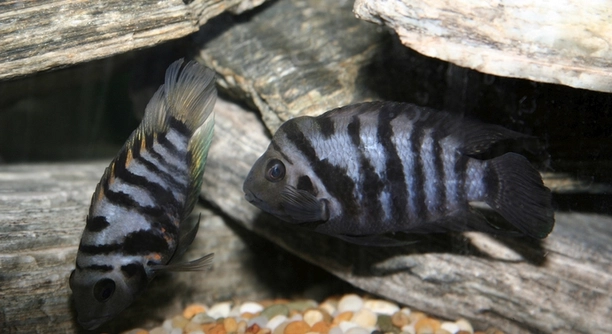
African cichlids are popular aquarium fish known for their bright colors and interesting behavior. One important aspect of their life is how they care for their young, called fry. Their protective nature helps ensure the survival of the next generation.
African cichlids protect their fry through various strategies, including mouthbrooding, where parents carry eggs and fry in their mouths, and aggressive defense of their territory against predators. These behaviors increase fry survival rates significantly.
Learning about these protective behaviors helps hobbyists better understand how to care for cichlids and create a safe environment for their young.
Mouthbrooding: A Unique Form of Protection
Mouthbrooding is one of the most fascinating ways African cichlids protect their fry. After the female lays eggs, she carefully picks them up and holds them in her mouth. This keeps the eggs safe from predators and environmental dangers. The fry stay in the mother’s mouth for several weeks until they are strong enough to swim on their own. During this time, the mother rarely eats, focusing entirely on protecting her young. The father may also guard the territory to keep threats away. This behavior is energy-consuming but highly effective in increasing the chances of survival for the offspring. Mouthbrooding also allows the fry to develop in a controlled environment, reducing exposure to harmful bacteria or parasites. The level of care shown by mouthbrooding cichlids is impressive and sets them apart from many other fish species.
Parents that mouthbrood create a safer space, significantly lowering fry mortality rates during the early stages.
This method of protection demonstrates a natural balance between parental investment and offspring survival, ensuring the species continues to thrive in various habitats.
Territorial Defense and Fry Survival
Territorial defense plays a critical role in protecting cichlid fry. Males, in particular, become very aggressive when guarding their space. They chase away other fish that might harm the eggs or young fry. This aggressive behavior helps maintain a safe area where the fry can grow without constant threats nearby.
The territory is often a carefully chosen spot with plenty of hiding places. Rocks, plants, and crevices provide shelter for the fry to hide when parents are not around. Both parents may work together to defend the area, especially in species where the male also cares for the young. By holding and protecting a territory, cichlids ensure their fry have the best chance of surviving to adulthood. Understanding how territorial behavior impacts fry survival can help fishkeepers create better tank setups. Providing hiding spaces and reducing stress in the aquarium environment encourages natural protective instincts in cichlids. This approach leads to healthier, more resilient fry and a balanced aquatic community.
Parental Roles in Fry Protection
Both parents often share the responsibility of protecting their fry. While the mother usually mouthbroods, the father guards the territory. This teamwork helps keep the fry safe from threats and increases their chances of survival.
Parental roles vary among cichlid species, but cooperation is common. The mother focuses on keeping the fry safe inside her mouth, providing warmth and protection from predators. Meanwhile, the father patrols the territory aggressively, chasing away intruders. This division of labor allows the parents to cover more ground and protect their young more effectively. In some species, both parents mouthbrood or take turns guarding, showing flexible care strategies.
This balance of duties is important for the survival of the fry. When both parents contribute, the young benefit from increased protection and resources. This cooperation demonstrates the strong parental investment cichlids have in raising their offspring.
Environmental Factors Affecting Fry Survival
Water quality and habitat structure directly impact fry survival. Clean, well-oxygenated water reduces stress and disease risks for the fry. Proper hiding spots also help fry avoid predators and thrive.
Maintaining good water quality is essential for the health of both parents and fry. Poor water conditions can weaken the immune system of the fry, making them more vulnerable to infections. A well-filtered tank with regular water changes helps keep the environment safe. Additionally, providing plenty of hiding places, such as rocks and plants, gives fry shelter when parents are not nearby. These shelters reduce fry exposure to threats and encourage natural behaviors like exploring and feeding. Understanding these environmental needs supports successful breeding and growth of cichlid fry in captivity. By paying close attention to habitat conditions, fishkeepers can help their cichlids raise strong, healthy young.
Fry Feeding and Nutrition
Fry need special care when it comes to feeding. They rely on small, nutritious foods to grow strong during their early days. Parents often help by guiding the fry to safe feeding areas.
Providing finely crushed flakes or specially prepared fry food supports their development. In the wild, parents sometimes release small amounts of food near the fry or lead them to rich feeding spots. This guidance increases the fry’s chances of finding enough food while staying protected. Proper nutrition during these stages is vital to their growth and survival.
Recognizing Stress Signs in Fry
Stress can harm the health and survival of cichlid fry. Signs like lethargy, loss of appetite, or hiding more often indicate stress. Monitoring behavior helps catch problems early.
How Tank Setup Influences Fry Protection
A tank designed with plenty of hiding spots and stable conditions supports the natural protective behaviors of cichlids. This reduces stress for both parents and fry.
Fry Development Stages
Fry develop rapidly, moving from eggs to free-swimming fish within weeks. Each stage requires different care to ensure healthy growth.
How do African cichlids care for their fry?
African cichlids use several methods to care for their fry, with mouthbrooding being the most common. The female usually holds eggs and young fry in her mouth for protection. During this time, the mother provides warmth and safety, keeping them away from predators. The father often defends the territory, chasing off threats. This teamwork increases the fry’s chances of survival. Some species also guard eggs laid on rocks or in caves, with parents fanning the eggs to keep them oxygenated. Overall, cichlids invest significant effort in protecting their young until they are strong enough to survive on their own.
Why is mouthbrooding important for fry survival?
Mouthbrooding protects eggs and fry from many dangers. By carrying them in the mouth, the parent keeps them safe from predators and environmental risks like sudden water changes. The controlled environment in the mouth reduces infections and physical harm. Although the parent eats less or not at all during this period, the trade-off increases the survival rate of the young. Mouthbrooding also allows the fry to develop fully before being exposed to the outside world, making it a highly effective reproductive strategy.
Can both parents mouthbrood simultaneously?
In most cichlid species, usually only the female mouthbroods. However, there are exceptions where males also take turns carrying the fry. This shared responsibility helps reduce the burden on one parent and improves protection. When both parents participate, the fry are closely monitored and protected longer. It is less common, but it does happen, depending on the species’ behavior and environment. Shared mouthbrooding can be beneficial in environments with many threats.
What role does territorial behavior play in fry protection?
Territorial behavior is critical to keeping fry safe. Male cichlids become aggressive around their territory, chasing away intruders and predators. This aggressive defense creates a secure zone where the fry can grow with less danger. The territory usually includes plenty of hiding places such as rocks and plants. These areas allow fry to escape threats and feel safe. Both parents often work together to defend the territory, increasing fry survival.
How should the tank be set up to support fry protection?
A tank with stable water conditions and plenty of hiding spots supports fry survival. Good filtration and regular water changes keep the water clean and oxygen-rich, reducing stress. Rocks, caves, and plants offer places for fry to hide when parents are not nearby. Providing a natural environment encourages parents to display their protective instincts. Avoid overcrowding the tank to reduce stress and aggression, which can harm the fry.
What should fry be fed for healthy growth?
Fry need small, nutritious foods to develop properly. Finely crushed flakes, powdered fry food, or live foods like baby brine shrimp are ideal. Parents sometimes help by leading fry to food sources. Feeding small amounts several times a day supports steady growth. Proper nutrition at this stage is vital for immune system development and overall health. Avoid large food particles that fry cannot eat easily.
How can I tell if the fry or parents are stressed?
Signs of stress in fry include hiding excessively, lethargy, and loss of appetite. Parents may become overly aggressive or inattentive to their young. Stress can result from poor water quality, overcrowding, or sudden changes in the environment. Observing behavior daily helps detect problems early. Maintaining stable water parameters and providing enough space reduces stress and improves survival rates.
How long does it take for fry to become independent?
Fry usually become free-swimming and start feeding independently within two to three weeks. Mouthbrooding parents release the fry when they are strong enough to survive on their own. After this, the fry still benefit from shelter and protection in the territory. Full independence varies by species but generally occurs within a month. During this time, fry growth and safety remain the priority for parents.
Can cichlids raise fry without a mate?
Some species can raise fry alone, especially mouthbrooders where the female carries the young. However, having both parents increases protection and survival chances. Single parents may struggle more with feeding and defending the territory. In captivity, separating one parent can sometimes improve fry survival if aggression is an issue. Understanding the species’ behavior helps decide the best setup for fry care.
What are common threats to cichlid fry in captivity?
Common threats include aggression from other fish, poor water quality, and lack of hiding places. Overcrowded tanks can cause stress and increase fry mortality. Inexperienced fishkeepers may accidentally remove parents or fry, disrupting care. Parasites and infections are also risks in some setups. Preventing these threats involves maintaining clean water, providing shelter, and careful tank management. Keeping species separate when needed helps reduce aggression toward fry.
African cichlids show remarkable care when it comes to protecting their fry. Their behaviors, such as mouthbrooding and territorial defense, play a crucial role in keeping the young safe. These natural instincts help the fry survive in challenging environments, both in the wild and in home aquariums. Understanding how these fish protect their offspring gives us valuable insight into their needs and how to provide the best care for them.
Providing the right environment is just as important as recognizing the parents’ protective behaviors. Clean water, plenty of hiding places, and proper nutrition are essential for the fry’s growth and safety. When the tank is well set up, it supports the natural instincts of the cichlids and reduces stress for both parents and fry. This balance allows the young fish to develop properly and prepares them to live independently. Simple steps in tank maintenance can make a big difference in their survival rates.
Watching African cichlids raise their fry is an interesting experience for anyone who keeps them. Their dedication and teamwork highlight the importance of parental care in fish species. By respecting their natural behaviors and providing a suitable environment, you can help ensure healthy fry growth. Learning about these protective methods not only improves care but also deepens appreciation for these colorful and fascinating fish.

Hello,
If you enjoy the content that we create, please consider saying a "Thank You!" by leaving a tip.
Every little bit helps us continue crafting quality advice that supports the health, happiness, and well-being of pets around the world, for pets of all shapes, sizes, and species.
We really appreciate the kindness and support that you show us!