
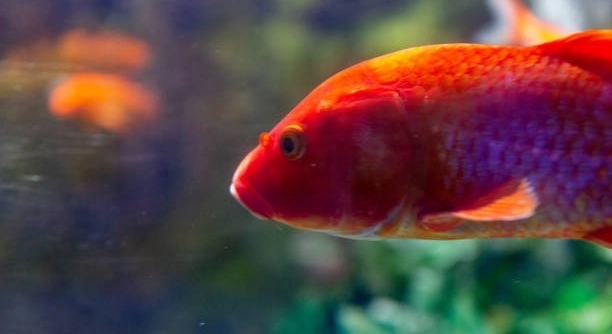
Have you ever watched your cichlids swim around and wondered how they manage to claim certain spots in the tank?
Cichlids mark their territory using a combination of visual displays, aggressive behavior, digging, rearranging substrate, patrolling boundaries, establishing fixed locations, and physical interactions. These actions help them defend space and maintain social order in their aquatic environment.
From fin flaring to sand shifting, each behavior plays a role in their natural need to control space and structure.
Visual Displays and Color Changes
Cichlids often use bright colors and body posture to send clear messages to other fish. When a cichlid is defending its territory, its colors may become more intense, especially around the face and fins. These visual cues serve as warnings, helping avoid physical fights. Raised fins, open mouths, or body tilting are other common signs that a cichlid is asserting dominance. These behaviors often happen near their chosen area of the tank, like a rock or cave. If another fish enters that space, the territorial cichlid may flash its colors quickly to send a warning.
This display is not just about looking pretty—it’s a signal meant to control space and reduce conflict.
Bright coloration and posture changes make a big difference in tank behavior. Watching how your fish use their appearance to control space can help you understand which areas they’re claiming. It’s their way of setting rules without needing a fight.
Digging and Rearranging Substrate
Digging is one of the clearest signs a cichlid is settling into a territory.
Cichlids often move sand or gravel to shape their space just how they like it. They may dig pits to create hiding spots or build barriers to block others. This digging also clears an open area where they can feel safe and control access. Some species even create nests or clean flat stones during breeding periods. This behavior isn’t random—it’s all about control and comfort. A cleared area becomes their base, and any fish that crosses into it usually gets a reaction. Digging helps them feel secure while showing others that this space is taken.
In a shared tank, digging might lead to cloudy water or displaced decorations, but it’s completely normal. Giving cichlids areas with soft substrate and movable objects helps them act naturally without stress. Observing how and where they dig shows which parts of the tank matter most to them. When paired with other behaviors, like guarding and chasing, digging makes it easier to see how cichlids protect their space and feel at home.
Patrolling and Guarding Behavior
Cichlids often swim back and forth in front of their claimed area. This patrolling helps keep other fish away. It’s a clear sign they are watching their space and ready to defend it if needed.
Once a cichlid claims a territory, it starts monitoring its borders closely. It may swim in repeated patterns, always circling its area or hovering nearby. This behavior can look calm, but it’s a serious warning to any fish that come too close. If another fish enters, the cichlid may charge or flare its fins to chase it away. Patrolling also helps the cichlid keep track of any changes in its environment, like shifts in the substrate or new tank mates. Some fish may even patrol more during feeding times or after lights are turned off. These patterns give you a better idea of where they feel most secure and what space they view as theirs.
Guarding is more intense than patrolling. A guarding cichlid often stays in one spot and defends it constantly. This can happen during breeding, when eggs or fry are nearby. You might notice the fish staying still, watching everything, and lunging at intruders. This kind of behavior shows a strong attachment to the territory, especially when offspring are involved. Even peaceful cichlids can become aggressive during guarding phases. They might dig more, reinforce borders, or move objects to block access. If you see repeated guarding in the same area, it’s a clear sign that space holds real importance to the fish. It’s not just about comfort—it’s about safety and control.
Chasing and Nipping
Cichlids will often chase other fish that get too close to their territory. It’s a fast, direct way of pushing others away. Most of the time, it doesn’t cause harm but sends a strong warning.
Nipping happens when a warning isn’t enough. The territorial cichlid may bite fins or tails to make sure others back off. It’s short and quick but clear. This behavior helps them protect their space and discourage unwanted visitors.
Fixed Locations and Site Attachment
Some cichlids become strongly attached to a single location in the tank. This could be a rock, a cave, or even a corner. They choose it and return to it repeatedly, often staying close throughout the day. These spots usually offer shelter or a good view of their surroundings. Over time, the fish treat it like home. They defend it more fiercely and may spend less time swimming around the tank. Even if decorations are moved, they may still claim the same spot. This attachment makes it easier to spot patterns and understand which parts of the tank hold the most value to them.
Physical Blocking
When another fish tries to pass, a cichlid may place its body in the way. This quiet move is a strong signal to stay back and respect the space.
FAQ
How do I know if my cichlid is being territorial or just aggressive?
Territorial cichlids show clear patterns like staying near a certain spot, chasing fish that come close, or rearranging substrate. They usually don’t go after fish in other parts of the tank. Pure aggression, on the other hand, happens everywhere and often without reason. If your cichlid chases or bites multiple fish across the tank, even far from its usual area, it may be showing general aggression. Watch for behaviors like guarding, patrolling, or staying close to a fixed site. These are signs that your cichlid is protecting territory, not just being aggressive for no reason.
Why is my cichlid digging up the tank so much?
Digging is normal for territorial cichlids. They do it to shape and protect their space. Some dig to clear a flat area for resting or breeding. Others dig pits to hide in or block access to unwanted tank mates. It’s not random—it’s part of how they mark space. If you see constant digging in the same area, that space likely matters to them. Try adding soft substrate and movable items to make it easier for them to dig without disturbing other fish.
Do all cichlids mark territory the same way?
No, different cichlid species show territorial behavior in different ways. Some rely more on visual cues, while others dig or chase more often. African cichlids like mbunas tend to be more aggressive with chasing and guarding, while some South American cichlids may rely more on site attachment and subtle displays. Even within a species, behavior can change based on tank size, setup, and the presence of other fish. That’s why observing your own cichlid closely is important. What’s normal for one fish might not be the same for another.
How can I reduce territorial fighting in my tank?
Start by giving each fish plenty of space and hiding spots. Use rocks, caves, plants, or decorations to create natural boundaries. A larger tank also helps reduce tension. If cichlids can’t see each other all the time, they’re less likely to fight. You can also rearrange the tank layout occasionally to reset boundaries. When adding new fish, do it at the same time or after changing the tank’s structure. This gives everyone a fair chance to claim territory and reduces stress.
Is it safe to keep multiple cichlids in the same tank?
Yes, but it depends on the species, tank size, and setup. Some cichlids are more peaceful and do well in groups with enough space. Others are more territorial and need more room to avoid constant fighting. A crowded tank with no hiding spots can lead to serious stress or injuries. Always research the species first, and be ready to separate aggressive individuals if needed. Watching their behavior helps you know when it’s working and when changes are needed.
Why does my cichlid keep returning to the same spot?
This is a sign of site attachment. Your cichlid has chosen that spot as its safe area. It may use it for resting, guarding, or even spawning. These spots give them control and comfort. They may block access or chase fish that come too close. Once they choose a location, they tend to return to it often, even if other areas are available. Providing stable structures like caves or rocks helps support this natural behavior.
Should I be worried if my cichlid chases other fish?
Occasional chasing is normal, especially during territory marking. If it’s short and doesn’t result in injury, it’s part of their social behavior. But if chasing becomes constant or multiple fish are getting nipped or hurt, it could signal stress, overcrowding, or a mismatch in tank mates. Check your tank’s layout and population. A few changes like adding more hiding spots or rearranging the tank can reduce chasing. Watching closely helps you decide if it’s just normal behavior or something that needs attention.
Final Thoughts
Cichlids are fascinating fish with complex behavior, especially when it comes to territory. Their actions—digging, chasing, patrolling, or flashing colors—are not random. Each behavior serves a purpose and helps them protect the space they feel most secure in. These fish do not just live in the tank; they shape and control their environment to fit their needs. Whether they’re guarding eggs or simply choosing a resting spot, their territorial behavior shows how aware and organized they can be. Watching these patterns can tell you a lot about their personality and comfort level in the tank.
Understanding how cichlids mark territory helps create a more peaceful tank setup. When you know what to look for, it becomes easier to tell when a fish is just being protective versus being overly aggressive. A well-designed tank with plenty of space, rocks, caves, and soft substrate gives each fish a chance to claim their own area without constant conflict. It also reduces stress and makes the tank more stable overall. Adding hiding spots, using decorations to block sightlines, or even moving things around can help manage behavior and prevent injuries.
Caring for cichlids means more than feeding them and keeping the water clean—it means learning their habits and adjusting the tank to support their natural instincts. Territorial behavior is a big part of how cichlids live, interact, and stay healthy. When you give them space to act naturally, they show their full range of color and personality. It may take some time to find the right setup, but the effort pays off. A calm, balanced tank is better for the fish and easier for you to manage. By watching closely and making small changes when needed, you can build an environment where your cichlids feel at home and thrive.

Hello,
If you enjoy the content that we create, please consider saying a "Thank You!" by leaving a tip.
Every little bit helps us continue crafting quality advice that supports the health, happiness, and well-being of pets around the world, for pets of all shapes, sizes, and species.
We really appreciate the kindness and support that you show us!