
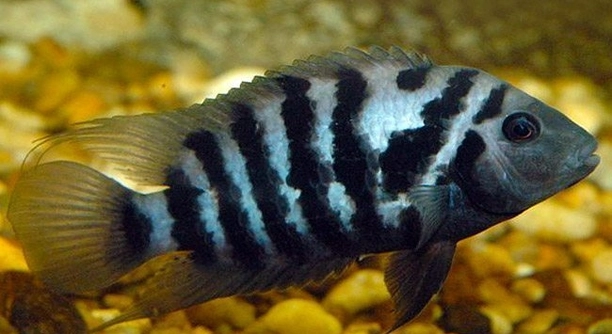
African cichlids are colorful fish that many people enjoy keeping in aquariums. These fish need safe and suitable places to lay their eggs. Understanding how they choose these spots helps keep them healthy and happy.
African cichlids select breeding spots based on shelter availability, protection from predators, and environmental conditions like water flow and substrate type. These factors ensure their eggs have a higher chance of survival during development.
Learning about their breeding habits can improve care and create a better environment for these beautiful fish. This article explains key factors that influence their choice of breeding sites.
Shelter and Protection Are Key Factors
African cichlids look for places that offer safety and shelter when choosing a breeding spot. They prefer areas with rocks, caves, or crevices where they can hide their eggs from predators. These hiding spots provide a secure environment for both the eggs and the parents, reducing the risk of harm. The fish also pick spots that help keep the eggs clean and well-oxygenated, such as areas with gentle water flow. This flow brings fresh water, which is important for egg development. Without proper shelter, the eggs are more exposed, and the chances of survival drop. The availability of these secure places greatly influences where the cichlids decide to breed. This natural behavior ensures that their young have the best chance to grow safely. Watching them choose spots can be interesting and tells a lot about their needs and instincts.
Cichlids often move between potential spots before settling on one. This shows how important shelter is for their breeding success.
Choosing a safe breeding area helps the fish protect their offspring from harm. It also supports healthy egg growth by providing clean, oxygen-rich water. These conditions increase the chances that the eggs will hatch successfully and the young fish will survive.
Water Conditions Matter
Water quality and flow impact where cichlids breed. They prefer clean, well-oxygenated water in their chosen spot.
Proper water flow helps remove waste and supplies oxygen, which is critical for egg development. Poor water conditions can lead to unhealthy eggs or discourage breeding altogether. Some species prefer slow-moving water, while others like gentle currents that keep the eggs clean. Temperature also plays a role; stable and appropriate temperatures encourage breeding behavior. Aquarium owners can improve breeding success by maintaining good water quality, including regular water changes and proper filtration. Monitoring pH levels and hardness is important, too, as cichlids come from various habitats with specific needs. Creating a suitable environment helps mimic their natural breeding conditions and supports healthier offspring. Understanding these water factors can lead to better care and more successful breeding outcomes.
Substrate Choice Influences Breeding
Many African cichlids prefer sandy or rocky substrates for breeding. These materials offer stable places to lay eggs and protect them from shifting or damage.
A sandy substrate allows cichlids to dig small pits or clear areas to prepare their breeding spot. This digging behavior helps protect the eggs and keeps them clean. Rocky substrates provide crevices and cracks where eggs can be hidden from predators. The texture and stability of the substrate also affect how easily parents can guard and care for their eggs. In some species, the choice of substrate influences mating success, as females may select males based on their chosen breeding spot. Providing a mix of sand and rocks in aquariums can support natural breeding behaviors.
Substrate type is also linked to the species’ natural habitat. Replicating their preferred environment encourages breeding and healthy egg development, improving overall fish well-being.
Social Environment and Territory
African cichlids are territorial during breeding. Males often defend specific spots aggressively.
Territory size depends on species and environment, but it usually centers around ideal breeding locations. Dominant males control the best spots, attracting females to lay eggs there. Social interactions, including displays and fights, help establish who controls these areas. The presence of other fish can influence breeding success, as overcrowding or too much aggression may stress the parents. Keeping an appropriate number of fish and providing enough space and hiding places reduces conflict. This creates a calmer environment where cichlids can breed more naturally. Understanding their social behavior helps in managing tanks to encourage successful breeding and protect fish welfare.
Light and Breeding Behavior
African cichlids are affected by light when choosing breeding spots. Bright light can make them feel exposed, so they prefer shaded or dim areas.
Lighting influences their comfort and security. Too much light may discourage breeding, while soft lighting supports natural behavior and helps reduce stress.
Influence of Food Availability
Food nearby breeding spots encourages cichlids to stay and care for their eggs. It ensures parents have energy to protect and tend their offspring.
Providing a steady food supply close to breeding areas can improve egg survival rates. Well-fed parents are more attentive and better able to defend against threats.
The Role of Water Temperature
Temperature plays a critical role in breeding success. African cichlids breed best in stable, warm water within their species-specific range.
Maintaining consistent temperature helps trigger breeding behavior and supports healthy egg development. Sudden changes can cause stress and reduce breeding chances.
Impact of Tank Size
Tank size influences how well cichlids can establish breeding territories. Larger tanks offer more space for natural behaviors.
Providing adequate space reduces aggression and allows fish to choose preferred breeding spots comfortably.
FAQ
How do African cichlids prepare their breeding spots?
African cichlids often clear an area by digging in the substrate or cleaning rocks and surfaces. This preparation helps create a safe place for eggs. The behavior varies by species, but most males are very active in shaping the breeding site to attract females and protect the eggs.
What type of substrate is best for breeding African cichlids?
A mix of sand and rocks is ideal. Sand allows digging, while rocks provide shelter and crevices for eggs. Avoid substrates that are too fine or unstable, as they can bury eggs or make guarding difficult.
Do African cichlids need specific water conditions to breed?
Yes, clean and well-oxygenated water with stable temperature and proper pH levels is important. Most cichlids prefer slightly alkaline water with moderate hardness. Regular water changes and good filtration help maintain these conditions.
How important is lighting for breeding African cichlids?
Lighting affects their comfort and security. Too much bright light may stress the fish and reduce breeding activity. Dim or natural lighting conditions that mimic their natural habitat encourage better breeding behavior.
Can social interactions affect breeding success?
Definitely. African cichlids are territorial during breeding, especially males defending spots. Too many aggressive fish or overcrowding can cause stress and lower breeding success. Providing enough space and hiding places helps reduce conflicts.
What role does food availability play in breeding?
Food near breeding sites keeps parents healthy and attentive. Well-fed fish are more likely to protect their eggs and young. Offering nutritious food regularly helps maintain energy levels during this critical time.
Is tank size important for breeding African cichlids?
Tank size is very important. Larger tanks give fish space to establish territories and reduce aggression. A cramped environment can cause stress and interfere with breeding behavior. Providing enough room supports natural habits and healthier offspring.
How do water temperature changes affect breeding?
Stable and appropriate temperature encourages breeding. Sudden drops or rises in temperature cause stress and may stop breeding altogether. Maintaining a consistent temperature within the preferred range of the species is crucial.
Do African cichlids breed in groups or pairs?
Most species form pairs during breeding, though some may spawn in groups. Pair bonding helps protect the eggs better. Social structure depends on species and tank conditions, but close monitoring ensures the best outcomes.
How can I tell if my cichlids are ready to breed?
Signs include males showing brighter colors, building or cleaning breeding spots, and increased aggression around territory. Females may appear fuller when carrying eggs. Observing these behaviors helps know when breeding is likely.
African cichlids are fascinating fish with unique behaviors when it comes to breeding. Choosing the right spot for laying eggs is a natural process influenced by many factors like shelter, water quality, and social environment. Understanding these factors can help anyone who cares for cichlids create the best conditions for breeding. It’s clear that cichlids don’t just pick any place; they look for safe, comfortable, and suitable environments that increase the chances their eggs will survive. This shows how important it is to pay attention to their needs, whether in an aquarium or in the wild.
Creating a good breeding environment means thinking about the space and features available to the fish. Providing rocks, caves, or sandy areas helps mimic their natural habitat and encourages healthy breeding habits. Water quality and temperature must be carefully maintained, as sudden changes can stress the fish and stop breeding efforts. It’s also important to avoid overcrowding, since cichlids can become aggressive when defending their territory. Feeding the parents well during this time supports their energy and care for the eggs. These small details make a big difference in helping cichlids feel secure and ready to reproduce.
Overall, caring for African cichlids during breeding takes patience and attention. Watching how they choose their spots and behave during this time gives insight into their natural instincts. With the right setup, many aquarium keepers can enjoy successful breeding and see young cichlids grow. Keeping the environment stable and comfortable not only supports breeding but also helps keep the fish healthy and happy. Paying close attention to their needs is the best way to support these colorful and lively fish throughout the breeding process.

Hello,
If you enjoy the content that we create, please consider saying a "Thank You!" by leaving a tip.
Every little bit helps us continue crafting quality advice that supports the health, happiness, and well-being of pets around the world, for pets of all shapes, sizes, and species.
We really appreciate the kindness and support that you show us!