
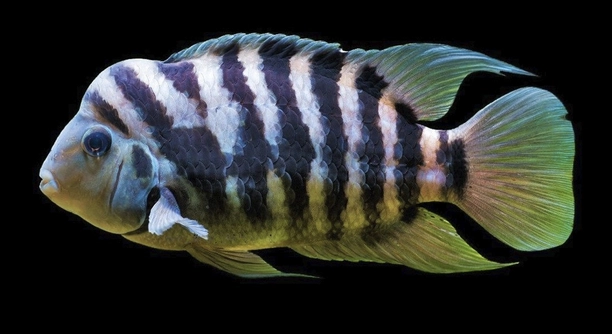
African cichlids are popular aquarium fish known for their bright colors and active behavior. Many hobbyists enjoy keeping them but sometimes face challenges understanding their habits. These little fish can act in ways that puzzle even experienced fishkeepers.
African cichlids often show confusing behaviors due to their complex social structures and environmental needs. Factors like tank setup, water conditions, and diet influence their actions, making it important to recognize what causes their unexpected reactions.
Knowing what confuses African cichlids can help you create a healthier, calmer environment for them. This guide will clarify common issues and improve your care routine.
Territorial Behavior
African cichlids often show strong territorial behavior, especially males during breeding. They like to claim a specific area in the tank and defend it aggressively against other fish. This can lead to chasing, nipping, and sometimes injury. The size of the tank and available hiding spots greatly influence how intense this behavior becomes. In smaller tanks, aggression tends to increase because fish have less space to avoid each other. Providing rocks, caves, and plants can help break up sight lines and create boundaries, reducing constant conflict. Sometimes rearranging the tank layout can also reset territories and ease tensions. Understanding that this behavior is natural helps in managing it properly. It’s important to avoid overcrowding and to monitor fish closely during breeding seasons to prevent stress and harm. Keeping similar-sized cichlids can also balance aggression levels.
Territorial behavior is a natural survival instinct that helps African cichlids establish dominance and protect resources.
Managing this behavior with proper tank setup and space is key to maintaining a peaceful aquarium environment.
Water Conditions and Sensitivity
African cichlids are sensitive to water quality and specific parameters such as pH, hardness, and temperature. They thrive best in slightly alkaline water with stable conditions. Sudden changes or poor water quality can confuse them and lead to stress or illness. High ammonia, nitrites, or nitrates are harmful and can make fish behave oddly or hide more often. Regular testing and water changes are essential to keep their habitat healthy. These fish also prefer harder water, similar to their natural African lake habitats. Temperature swings may cause lethargy or aggression. Using a reliable heater and filter system helps maintain a consistent environment. Knowing the water requirements for your specific cichlid species will prevent many common problems.
Water sensitivity affects their health and behavior, so careful monitoring is necessary.
Proper water management reduces stress, promotes natural behavior, and supports long-term well-being in African cichlids.
Social Hierarchy Confusion
African cichlids live in complex social groups where rank matters a lot. They constantly interact to establish and maintain their place.
This constant social jockeying can be confusing to fishkeepers. New or subordinate fish may act shy or hide, while dominant ones show bold, sometimes aggressive, behavior. The hierarchy can shift often, especially when new fish are introduced or when fish mature. Watching these interactions closely helps in understanding their group dynamics and preventing fights that could harm weaker fish.
Fishkeepers sometimes mistake this natural social behavior for illness or stress. Realizing that these social changes are normal allows better care decisions. Adjusting group size, tank space, and hiding spots can ease tension and support healthier social interactions.
Diet and Feeding Habits
African cichlids have diverse dietary needs depending on their species, ranging from herbivores to carnivores. Feeding the right food is essential for their health and behavior.
Improper diet can cause confusion in their behavior. For example, herbivorous cichlids may become aggressive or stressed if fed too much protein. Overfeeding or inconsistent feeding schedules can lead to bloating and poor water quality, which further affects their mood. It’s important to provide a balanced diet with the right nutrients and to feed in appropriate amounts. Observing their feeding habits helps to spot problems early and adjust their diet accordingly. Feeding habits also influence their activity levels and coloration, so keeping this in mind can improve their overall wellbeing.
Breeding Behavior
Breeding changes African cichlids’ behavior noticeably. Males become more aggressive and protective of their territory during this time.
Females may hide or become more reserved while caring for their eggs or fry. This natural behavior helps protect the next generation but can be confusing to watch.
Tankmates and Compatibility
Choosing the right tankmates is crucial for African cichlids. Mixing incompatible species can lead to stress, fights, or injury. Some cichlids tolerate others well, while some are highly territorial and aggressive. Researching each species’ temperament and needs helps prevent conflicts and ensures a peaceful tank environment.
Light Sensitivity
African cichlids can be sensitive to lighting conditions. Bright or constant light may stress them, causing hiding or lethargy. Using dimmer or adjustable lights helps create a comfortable setting that mimics their natural habitat, promoting better behavior and health.
What causes African cichlids to act aggressively?
Aggression in African cichlids often comes from their natural territorial instincts and breeding behavior. Males especially become more defensive when protecting a chosen area or during spawning periods. Overcrowded tanks and lack of hiding spots can worsen aggressive interactions. Providing enough space and decorations helps reduce fights and stress.
Why do some African cichlids hide constantly?
Hiding is usually a sign of stress or feeling threatened. New fish, sick individuals, or lower-ranking cichlids often retreat to safe spots. Sudden changes in the tank, poor water quality, or aggressive tankmates can cause this behavior. Offering plenty of shelters and maintaining stable conditions encourages them to come out more often.
How important is tank size for African cichlids?
Tank size greatly affects their behavior and health. African cichlids need room to establish territories and swim freely. Small tanks can lead to overcrowding, increased aggression, and stress-related illness. A larger tank with proper decoration helps create natural boundaries and reduces conflicts between fish.
Can African cichlids live with other fish species?
Compatibility depends on the species. Some African cichlids are very aggressive and do best with similar-sized, equally territorial fish. Others can tolerate peaceful tankmates. Mixing incompatible species may cause stress or injury. Researching the temperament of all fish before mixing is essential for harmony.
What kind of diet keeps African cichlids healthy?
Their diet varies by species—some are herbivores, others omnivores or carnivores. Providing the right balance of protein, plant matter, and vitamins is key. Overfeeding or feeding improper food can cause health problems and odd behaviors. Feeding high-quality pellets, flakes, and occasional live or frozen foods works well.
How often should water be changed for African cichlids?
Regular water changes, typically 20-30% weekly, are important to maintain water quality. These fish are sensitive to toxins like ammonia and nitrates, which build up quickly in tanks. Keeping water clean helps prevent disease and keeps fish behavior normal and calm.
Why do African cichlids change color suddenly?
Color changes often reflect mood, health, or social status. Bright colors usually mean good health or dominance, while dull or faded colors can signal stress, illness, or submission. Watching these changes helps catch problems early and adjust care or tank conditions.
Are African cichlids easy to care for?
They require moderate care with attention to water quality, diet, and social environment. While not difficult for someone with some aquarium experience, beginners should research their needs carefully. Consistency in maintenance and observing fish behavior makes care easier and more successful.
What signs show African cichlids are stressed?
Stress signs include hiding more than usual, loss of appetite, faded colors, rapid breathing, or unusual aggression. Stress can be caused by poor water quality, overcrowding, incompatible tankmates, or sudden changes. Identifying and fixing these factors quickly helps fish recover.
How do I reduce aggression among African cichlids?
Increasing tank size, adding plenty of hiding spots, and choosing compatible species helps reduce aggression. Avoid overcrowding and rearrange decorations occasionally to disrupt established territories. Keeping fish in groups with balanced sex ratios also lowers fights.
These common questions cover the key issues that confuse African cichlids’ behavior. Understanding their needs and natural instincts is essential to keeping a peaceful, healthy aquarium.
African cichlids are fascinating fish with unique behaviors that can sometimes be confusing to understand. Their natural instincts, such as territoriality and social hierarchy, often shape how they act in the aquarium. Recognizing these behaviors as normal helps in providing the right care and environment. Taking time to observe your cichlids closely will give you better insight into their needs and moods. It’s important to remember that what might seem like strange or difficult behavior is often a natural part of their life cycle and survival strategies.
Proper tank setup plays a big role in reducing confusion and stress for African cichlids. Having enough space, hiding spots, and stable water conditions creates a comfortable habitat. This encourages healthy interactions and reduces aggressive behaviors. Monitoring water quality and maintaining consistent parameters is essential since these fish are sensitive to changes. Feeding the right diet in appropriate amounts also supports their health and normal activity. Small adjustments in the tank environment or care routine can make a significant difference in how your fish behave.
Being patient and willing to learn about African cichlids’ needs will improve your experience as a fishkeeper. No two cichlid species are exactly alike, so it helps to research the specific types you have. Watching how they interact and respond to their environment can guide you in making changes for their benefit. Over time, understanding what confuses them and how to meet their needs will lead to a more peaceful and vibrant aquarium. Caring for these fish requires attention but can be very rewarding when you see them thrive.

Hello,
If you enjoy the content that we create, please consider saying a "Thank You!" by leaving a tip.
Every little bit helps us continue crafting quality advice that supports the health, happiness, and well-being of pets around the world, for pets of all shapes, sizes, and species.
We really appreciate the kindness and support that you show us!