
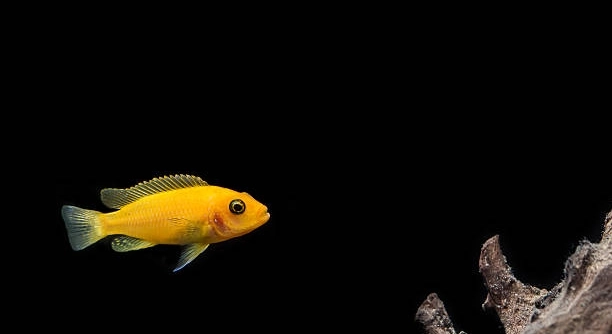
Have you ever watched your cichlids swim excitedly toward one corner of the tank and wondered how they knew food was coming? Their quick response can seem almost like magic, especially in a larger aquarium setup.
Cichlids can detect food across the tank through their strong sense of smell. They use specialized olfactory organs to pick up chemical cues in the water, allowing them to locate food even from a distance.
Understanding how scent travels in water and how cichlids respond to it can help you improve their feeding routines and overall tank environment.
How Cichlids Use Smell to Find Food
Cichlids rely on their sense of smell more than you might expect. Inside their heads are tiny structures called olfactory rosettes. These allow them to detect dissolved chemicals in the water, especially those released by food. Once the scent reaches them, their brains quickly process it, and they swim toward the source. This ability helps them find food even when it’s out of sight. It’s also useful in murky or crowded tanks where visibility is limited. While sight and movement play a role, smell is often the first signal they respond to when food enters the water.
Not all cichlids react the same way to scent. Some species are quicker and more sensitive than others.
You may also notice cichlids seeming to “sniff” the water. This behavior involves drawing water into their olfactory chambers. It helps them pinpoint where the scent is strongest. If you feed in the same spot often, they can also associate smell with location. Their sense of smell is not just about hunger—it’s also tied to learning and behavior. Over time, cichlids become familiar with feeding routines, smells, and even specific foods. This makes their reactions faster and more focused with repeated feeding.
Factors That Influence Their Sense of Smell
Water quality plays a big role in how well cichlids can smell food.
Poor water conditions, like high ammonia or nitrite levels, can interfere with scent detection. These chemicals can irritate their sensory organs or mask the natural smells of food. On the other hand, clean, well-oxygenated water helps carry scent particles more efficiently across the tank. Temperature also matters—warmer water helps spread scent faster, which makes detection easier. The layout of the tank affects things too. If there’s strong water flow from a filter or pump, it can carry food scent quickly, sometimes even misleading the fish. Hiding spots and decorations can block or slow down the scent’s movement. That’s why some cichlids may take longer to respond if the tank is complex or large.
Diet also influences how quickly cichlids recognize food. If they’re used to a certain pellet or flake, they’ll respond faster to its scent. Variety in diet can be helpful, but sudden changes may delay their reaction. Feeding at consistent times builds a habit.
How Feeding Habits Affect Scent Detection
Feeding routines have a direct effect on how cichlids respond to food smells. Regular schedules help them associate certain times with food, making their reactions faster and more predictable. Changing feeding times too often may confuse them and delay their response.
When cichlids are fed consistently, they become conditioned to expect food around the same time each day. This expectation sharpens their sensitivity to familiar scents. If you always use the same type of food, the fish will recognize the smell quicker and react more strongly. Overfeeding, however, can dull their interest in scent cues. When fish aren’t hungry, they tend to ignore smells that would normally excite them. Underfeeding can do the opposite and cause frantic behavior. Stick to a steady routine with the right amount of food to keep scent detection working as it should. Cichlids thrive when patterns are predictable and their feeding needs are met.
Changes in feeding habits—like switching from pellets to live food—can affect how quickly cichlids respond. Live food tends to release stronger scents, triggering more excitement. But it can also lead to aggressive behavior if the fish compete too much. Rotating between food types is fine, but keep at least one familiar item in the mix. This helps keep their response to scent reliable, even with some variety. Tankmates can also influence behavior. If one fish reacts quickly to scent, others may follow. Feeding in multiple spots or adjusting timing can reduce stress and give each fish a chance to eat.
Environmental Factors That Play a Role
Tank setup makes a big difference in how well scent travels. Strong filters can push scent across the tank quickly, but they may also spread it unevenly.
Decorations, plants, and rocks can block or slow scent movement, especially in larger tanks. These physical barriers can cause some fish to take longer to detect food, especially if they’re hiding. A well-balanced current helps scent reach all areas, but avoid overly strong flow that may scatter food too fast. Lighting also plays a part. Dim or uneven lighting may make fish rely even more on smell rather than sight. Water temperature affects how scent spreads too—warmer water generally carries scent faster. However, make sure the temperature stays within the species’ safe range. Testing water regularly helps prevent issues with clarity and chemical buildup, both of which can dull their sense of smell. Stable tank conditions support stronger and quicker scent detection overall.
How Tankmates Influence Food Detection
Cichlids often watch other fish for cues. If one fish picks up the scent first and reacts, others may follow, even before they detect the smell themselves. This group behavior can create fast, competitive feeding moments in the tank.
Some fish may block scent flow without meaning to. Large or aggressive tankmates might push others aside, causing smaller cichlids to miss out. Spacing out food or feeding in multiple spots helps reduce this problem. Everyone gets a fair chance to follow the scent and eat comfortably.
Tips to Support Better Scent Response
Use consistent feeding spots and avoid changing food brands too often. This helps cichlids quickly recognize familiar smells. Keep water clean and well-circulated to carry scent evenly. If your tank has strong flow, adjust the direction slightly so it doesn’t push food too far too fast. Regular maintenance also keeps chemical buildup low, helping fish stay sensitive to scent cues. Try observing how your cichlids respond during feeding. If some fish always lag behind, consider if tank layout, flow, or competition might be the reason. You can fine-tune their environment and routine for better scent tracking and calmer feeding.
When to Be Concerned
If your cichlid stops responding to food scents, it might be a sign of stress or illness. Changes in behavior during feeding time should be taken seriously.
FAQ
Can cichlids smell food through the glass?
Cichlids rely on detecting chemicals dissolved in the water, not through the air. So, they cannot smell food outside the tank glass. Their olfactory system only works underwater, picking up scents carried by water currents. This means you can wave food above the tank all you want, but the fish won’t sense it until it touches the water.
How far can cichlids smell food in a tank?
The distance varies depending on tank size, water flow, and water quality. In smaller tanks, scent travels easily, allowing cichlids to detect food from anywhere in the tank. In larger tanks, scent disperses more slowly, especially if there are decorations or poor water circulation. Good filtration and water movement help spread the smell, but the exact range depends on these factors.
Do cichlids use other senses to find food besides smell?
Yes, cichlids combine smell with sight and sometimes even vibration detection. They watch for movement or shadows of food particles and may detect small vibrations when food hits the water. Smell often alerts them first, but their vision confirms the food’s location. This multi-sensory approach helps them find food more accurately.
Why do some cichlids seem to ignore food smell?
If cichlids ignore food scents, it could mean they are not hungry, stressed, or unwell. Overfeeding or poor water conditions can dull their appetite and reduce their response to food. Some species are naturally less sensitive to scent or rely more on sight. Observing their overall behavior can help you figure out if something is wrong.
Can water temperature affect how well cichlids smell food?
Yes, temperature impacts scent movement and fish metabolism. Warmer water helps scent molecules spread faster and increases fish activity, making them more responsive to food smells. Cold water slows scent diffusion and reduces fish appetite, causing slower or weaker reactions. Keeping the temperature stable within the species’ preferred range supports their feeding behavior.
Is the type of food important for scent detection?
Absolutely. Live or frozen foods release stronger natural scents than dry pellets or flakes. Cichlids often react more quickly and eagerly to live foods because the smell is more intense. However, pellets and flakes are convenient and still produce enough scent for detection. Rotating food types keeps feeding interesting and can improve their response to smell.
How does water quality affect cichlids’ ability to smell food?
Poor water quality, with high ammonia, nitrites, or organic waste, can mask food scents or irritate sensory organs. Clear, well-filtered water helps scents travel without distortion and keeps olfactory organs healthy. Regular water changes and good filtration are key to maintaining their sense of smell.
What if some cichlids eat faster than others?
Dominant or more aggressive fish often respond quicker to food scents and may crowd out shy or weaker tankmates. Feeding in multiple spots or spreading food evenly helps all fish get their share. Watching their behavior during feeding can help identify any bullying or competition issues.
Can cichlids learn to recognize their owner’s feeding habits?
Yes, cichlids can associate feeding times and even your presence with food. They become conditioned to react quickly when they see you approach or hear feeding routines. This learned behavior speeds up their response to food smells and sight. Consistency helps strengthen this association.
Do cichlids lose their sense of smell as they age?
There is no strong evidence that cichlids lose their olfactory ability due to aging. However, older fish may become less active or develop health issues that reduce feeding interest. Maintaining good care and water conditions supports their senses throughout life.
Can illness affect a cichlid’s response to food scent?
Yes, illnesses like infections or parasites can dull appetite and reduce sensory function. If a cichlid stops responding to food smells or behaves differently during feeding, it’s important to check water conditions and consider health treatments. Early attention helps recovery and maintains normal feeding habits.
Is it better to feed cichlids in one spot or multiple spots?
Feeding in multiple spots reduces competition and ensures shy or weaker fish get food. It also helps distribute scent throughout the tank more evenly, encouraging all cichlids to detect and respond to food. One spot can work in small or less aggressive groups but may lead to stress in larger or more territorial tanks.
How often should I feed my cichlids?
Feeding once or twice a day is usually sufficient. Regular schedules help fish anticipate feeding times, improving their scent detection and reaction. Avoid overfeeding, as leftover food can pollute water and dull fish interest in scents.
Can scent help cichlids find food buried in substrate?
Yes, food that sinks or hides in gravel releases chemicals that cichlids can detect. Some species are natural diggers and will search for food using their smell and touch. This behavior shows how important scent is beyond just surface feeding.
Are there ways to improve a cichlid’s sense of smell?
Maintaining clean, stable water and a consistent feeding routine is the best approach. Avoid sudden changes in diet or tank conditions. Healthy fish have sharper senses, so proper nutrition and care indirectly support olfactory function.
This FAQ covers many common concerns about cichlids and their sense of smell. Knowing how they detect food helps create a better feeding experience and a healthier environment for your fish.
Cichlids have a strong ability to smell food in their tank, which helps them find meals even when they can’t see it right away. Their sense of smell works through special organs that detect chemicals dissolved in the water. This skill is important for their survival, especially in environments where visibility may be low. It also helps explain why they often swim quickly toward food once it is added. Knowing that cichlids use their nose as much as their eyes can help you understand their behavior better and improve how you care for them.
Several factors affect how well cichlids can smell food. Water quality plays a big role — clean, well-filtered water helps food scents travel clearly, while poor water conditions can block or weaken these signals. The layout of the tank matters too. Decorations, plants, and even the flow of water influence how scent spreads. Feeding routines also shape how quickly cichlids respond. Regular feeding times and familiar food scents help condition the fish, making them more eager and faster at finding their meals. It’s good to keep a steady routine and avoid sudden changes that might confuse them.
Overall, understanding the role of scent in cichlids’ feeding habits can make a big difference in managing your aquarium. By paying attention to water conditions, tank setup, and feeding habits, you can create a more comfortable environment for your fish. This helps them stay healthy and active, responding well to food and reducing stress. Taking small steps like feeding in consistent places, keeping water clean, and observing your fish during feeding times will support their natural abilities. This care leads to a happier tank where your cichlids thrive.

Hello,
If you enjoy the content that we create, please consider saying a "Thank You!" by leaving a tip.
Every little bit helps us continue crafting quality advice that supports the health, happiness, and well-being of pets around the world, for pets of all shapes, sizes, and species.
We really appreciate the kindness and support that you show us!