
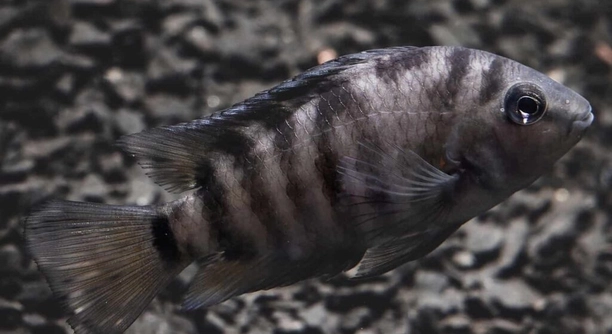
African cichlids are popular aquarium fish known for their bright colors and interesting behavior. Many fishkeepers enjoy watching how these fish interact with their environment. Understanding how cichlids respond to sounds and signals is part of their care.
African cichlids do not recognize their names in the way humans do. However, they can learn to associate certain sounds or signals with feeding times or other events through conditioning. Their response is based on learned cues rather than true name recognition.
Learning about how these fish respond to sounds can improve the way you care for them and create a better environment in your aquarium.
How African Cichlids Learn Sounds
African cichlids rely heavily on their senses to understand their surroundings. They respond to changes in light, movement, and especially sound. When a certain sound, like tapping on the glass or a specific noise from a feeding container, happens repeatedly before feeding, cichlids begin to link that sound with food. This process is called conditioning. Over time, they may swim eagerly or become more active when they hear the cue. It is important to know that this behavior is not the same as recognizing their names, but rather a learned response to a consistent signal. Each cichlid can react differently depending on its personality and experience. Observing these reactions can help you better communicate with your fish and improve feeding routines.
Cichlids’ ability to learn sounds depends on repetition and consistency. Without it, they won’t associate noises with specific actions.
Using sounds as signals can help manage feeding times and reduce stress for your fish. When your cichlids expect food at certain cues, they stay calmer and more engaged.
Why Name Recognition Is Different
Name recognition requires an understanding that a specific sound refers directly to the individual. African cichlids don’t have the brain structures or social needs to connect a unique name with themselves. Their responses are triggered by simple cause and effect, not true recognition. This means they respond to repeated signals linked with rewards, like food, but don’t understand names as humans do. Scientists studying fish behavior confirm that this type of learning is common in many fish species. While it may seem like they “know” their name when they swim toward you after a sound, they are actually reacting to expected outcomes. Knowing this helps set realistic expectations for interacting with your cichlids. You can use consistent signals to train behaviors but should avoid expecting complex recognition.
Training African Cichlids to Respond
Consistency is key when training African cichlids. Using the same sound or signal before feeding helps them learn to associate it with food over time.
Repetition strengthens this connection, making the fish more likely to respond eagerly when they hear the cue. Some keepers use a gentle tap on the tank or a small bell sound. It is important to be patient, as learning speed varies among individual fish. Avoid changing signals often, or the fish might get confused and stop responding.
In addition to feeding cues, you can use these signals to encourage other behaviors, like coming to a specific spot in the tank. This makes feeding easier and allows for better observation of their health and behavior. Regular practice helps keep the fish engaged and reduces stress in their environment.
Challenges in Fish Behavior Training
Fish training requires understanding their limited learning abilities. Unlike pets such as dogs or cats, fish have simpler brains and focus mainly on survival instincts. They respond best to clear, repetitive signals tied to immediate rewards.
African cichlids are more intelligent than many fish, but their learning remains basic. They don’t connect signals with abstract concepts or names but react to direct outcomes like food. This means training takes time, patience, and clear methods. Sometimes, environmental factors like tank size, water quality, or tank mates can distract them or reduce motivation to respond. Knowing these challenges helps in setting realistic training goals and avoiding frustration.
Signs Your Cichlid Recognizes You
Cichlids may show excitement when you approach the tank, especially near feeding times. They might swim closer or follow your movements eagerly.
These reactions are usually linked to expecting food rather than true recognition. Still, it shows they can remember and react to regular patterns.
How Environment Affects Learning
A calm, stable environment helps cichlids focus and learn signals better. Stress from overcrowding, poor water quality, or aggressive tank mates can reduce their ability to respond to cues. Keeping their habitat clean and comfortable supports their learning and overall health.
Using Visual Cues with Sounds
Combining visual signals with sounds can improve your cichlid’s response. For example, turning on a light or tapping the tank before feeding can strengthen their association with mealtime.
Patience is Essential
Training cichlids takes time and gentle repetition. Being patient allows your fish to learn at their own pace without stress.
Can African cichlids really learn their names?
African cichlids do not learn or recognize names like humans or some pets do. Instead, they respond to repeated sounds or signals associated with food or other events. When a specific sound happens often before feeding, they learn to connect that sound with something positive, like food. This is a simple form of learning called conditioning. It is important to remember that the fish react to the sound, not the name itself.
How can I train my cichlid to respond to sounds?
Training requires consistency. Use the same sound or cue every time before feeding. This could be a gentle tap on the tank or a soft bell. Repeat the cue before giving food. Over time, the fish will start to associate the sound with feeding and respond eagerly. Be patient, as some cichlids may learn faster than others.
What are signs that my cichlid recognizes a feeding signal?
You may notice your fish swimming toward the sound, becoming more active, or waiting near the feeding spot. These signs show the fish has learned to expect food when the signal happens. It’s a learned behavior, not true name recognition.
Can stress affect my cichlid’s ability to learn?
Yes. Stress from overcrowded tanks, poor water quality, or aggressive tank mates can make it harder for cichlids to focus and respond to training. Keeping their environment clean and calm helps improve learning and behavior.
Is it better to use sounds or visual cues when training?
Both can work well together. Combining a sound with a visual cue, like tapping the tank and turning on a light, can strengthen the fish’s learning. The more consistent and clear the signals, the better the fish will respond.
How long does it take for cichlids to learn feeding cues?
Learning time varies. Some fish respond after a few days of consistent training, while others may take weeks. Patience and repetition are important. Training should be gentle and stress-free.
Can cichlids remember their owners?
Cichlids don’t recognize people like pets such as dogs or cats do. However, they can learn to associate the presence or movement of a person with feeding or care. This can look like “recognition,” but it is really a response to routine.
What if my cichlid doesn’t respond to signals?
If your fish does not respond, check for possible stress or environmental issues. Make sure water conditions are good and the tank is peaceful. Try using clearer, more consistent signals and be patient. Some cichlids may be less motivated to respond.
Are all cichlids equally good at learning sounds?
No, individual cichlids vary. Some species and individual fish are more responsive and curious, making them better learners. Others might be shy or less interested in training. Adjust your approach based on your fish’s behavior.
Can training improve my cichlid’s well-being?
Yes. Training creates mental stimulation and helps build a routine. Fish that are engaged and expect feeding cues often show less stress and healthier behavior. It also makes feeding easier and strengthens your interaction with them.
Should I use food rewards only when training?
Food is the most effective reward since it motivates fish. However, avoid overfeeding during training sessions. Small amounts given as rewards work best. Positive reinforcement helps your cichlids learn faster.
Can cichlids recognize different people by voice or sight?
There is no clear evidence that cichlids distinguish individual people by voice or sight. They respond mainly to signals related to feeding or care. Repeated exposure to the same person may help fish become more comfortable, but this is not the same as recognition.
Does the tank setup affect learning?
Yes, a well-maintained tank with hiding spots and proper space supports better behavior and learning. Overcrowding or poor conditions cause stress, which lowers their ability to respond to training.
Is it possible to teach cichlids tricks beyond feeding cues?
Basic behaviors, like swimming to a certain spot or following a light, can be taught using the same conditioning methods. Complex tricks are unlikely due to their brain structure, but simple training helps with care and observation.
How important is patience in training cichlids?
Patience is essential. Fish learn slowly and need consistent, gentle signals. Avoid rushing or forcing behaviors, as this causes stress and can damage trust between you and your fish. Regular, calm sessions work best.
Can I train other types of fish like African cichlids?
Many fish species show similar learning abilities, but African cichlids are among the more intelligent ones. Training methods that use repetition and rewards work best across different species, but results vary widely.
Does age affect a cichlid’s ability to learn?
Younger cichlids may learn faster because they are more active and curious. Older fish can still learn, but it might take longer. Training at any age requires patience and consistency.
How do I avoid confusing my cichlid during training?
Use one clear signal consistently. Avoid changing sounds or cues frequently. Confusing or mixed signals make it hard for fish to form connections, slowing learning.
Can sound signals disturb other tank inhabitants?
Some sounds or tapping might stress shy or sensitive fish in community tanks. Use gentle cues and watch all fish behavior to avoid causing problems.
Is training necessary for African cichlids?
Training is not required but can improve feeding routines and fish well-being. It also helps with early detection of health problems since trained fish show clearer reactions.
What is the best way to start training my cichlids?
Begin by choosing a simple, consistent signal like a tap or bell. Use it before feeding each day. Watch your fish’s reactions and continue the routine patiently. Gradually, the fish will learn to associate the sound with food.
This FAQ covers common questions about African cichlids and their ability to recognize names or respond to training. Understanding their learning limits helps create a better home for these colorful fish.
African cichlids are fascinating fish with bright colors and interesting behavior. While they cannot recognize their names like pets such as dogs or cats, they can learn to respond to certain sounds and signals over time. This ability comes from a type of learning called conditioning, where the fish connect a repeated sound with something positive, usually food. Understanding this helps fish owners set realistic expectations about how their cichlids react to their presence and sounds. Instead of expecting true name recognition, it’s better to think of these responses as learned behaviors tied to feeding routines or environmental cues.
Training African cichlids to respond to signals takes patience and consistency. Using the same sound or visual cue before feeding helps the fish associate the signal with food. Over time, they may become more active or swim toward the source of the sound when it happens. However, every fish is different—some learn quickly, while others take longer or may not respond as strongly. Environmental factors like tank conditions and stress levels also play a big role in how well a cichlid can learn. Keeping the tank clean and calm helps the fish stay healthy and more open to training.
Overall, interacting with African cichlids through consistent cues can improve their well-being and make caring for them easier. While they do not recognize names, their ability to learn simple signals shows they are more intelligent than many people expect. Training sessions provide mental stimulation and build a routine that can reduce stress for the fish. Remember, patience and gentle repetition are key to helping your cichlids learn. By understanding their behavior and limits, you can create a happier environment for these beautiful fish.

Hello,
If you enjoy the content that we create, please consider saying a "Thank You!" by leaving a tip.
Every little bit helps us continue crafting quality advice that supports the health, happiness, and well-being of pets around the world, for pets of all shapes, sizes, and species.
We really appreciate the kindness and support that you show us!