
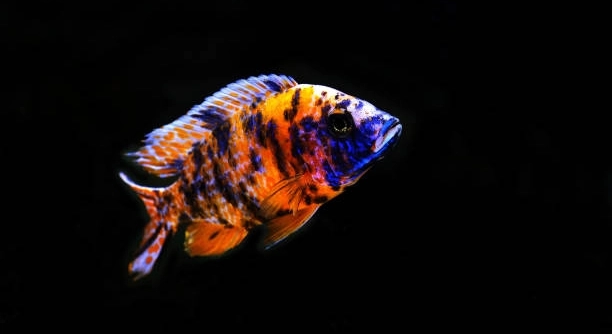
African cichlids are popular aquarium fish known for their vibrant colors and interesting behaviors. Many hobbyists enjoy breeding them, but sometimes these fish refuse to reproduce despite good care. Understanding the reasons behind this can help improve breeding success.
African cichlids may refuse to breed due to several factors including poor water quality, inadequate tank environment, stress, improper diet, lack of suitable mates, disease, or incorrect breeding conditions. Each of these factors can interfere with their natural breeding instincts and behaviors.
Identifying these reasons can make a significant difference in encouraging your cichlids to breed successfully. This article will explain the common causes and how to address them effectively.
Poor Water Quality
Maintaining clean water is essential for African cichlids to feel comfortable and healthy. When the water is dirty or has unbalanced chemicals, the fish become stressed. Stress can stop them from wanting to breed. Ammonia, nitrite, and nitrate levels must be checked regularly. High levels can be harmful and discourage breeding behaviors. Also, water temperature should be stable and suitable for the specific cichlid species. Sudden changes in temperature can upset their breeding cycle. Frequent partial water changes help keep the environment stable. Filtration plays a key role, but over-filtering can create strong currents that stress the fish. Regular testing and maintenance ensure a clean, balanced habitat, which is the foundation for successful breeding.
Water quality issues often lead to health problems that reduce breeding interest. Maintaining proper water conditions is one of the simplest ways to encourage breeding.
Clean, stable water creates a healthy environment that supports the fish’s natural breeding instincts. Adjusting and monitoring water parameters improves overall fish well-being and increases chances of spawning.
Inadequate Tank Environment
An appropriate tank setup is crucial for breeding African cichlids. The tank should have enough space, hiding spots, and proper substrate. Without these elements, fish may feel insecure or territorial conflicts may arise. African cichlids need areas to claim as their breeding territory. Rock caves and plants serve as good hiding places and help reduce stress. Crowded tanks lead to aggression, which prevents breeding. Lighting also affects their behavior; too bright or too dim can disrupt their natural cycle. The tank layout should reflect the natural habitat of the species. By creating a comfortable and secure environment, fish are more likely to engage in breeding activities.
Proper tank environment encourages natural behaviors essential for breeding. Adjusting the tank layout can reduce stress and territorial fights.
Tank size and layout greatly influence breeding success. Overcrowding causes stress and aggression that block mating. Providing hiding places supports pair bonding and reduces fights. Lighting must be balanced to simulate natural conditions. Mimicking their natural environment helps fish feel secure, increasing the likelihood of successful breeding. Paying attention to these details can make a big difference in promoting spawning behavior.
Stress and Aggression
Stress is a common reason African cichlids avoid breeding. It can be caused by sudden changes or overcrowding. Aggressive behavior between fish adds to this stress, making breeding unlikely.
Aggression among cichlids often comes from territorial disputes or overcrowding. When fish feel threatened, they focus on defending themselves rather than mating. Providing enough space and hiding spots helps reduce these conflicts. Separating overly aggressive fish may be necessary to protect others. Consistent tank conditions and gentle handling minimize stress and encourage natural behavior. Stress also weakens their immune system, which can prevent spawning.
Controlling stress means balancing the environment and fish interactions carefully. Regular observation can help spot aggressive behavior early. Reducing noise, maintaining stable water conditions, and avoiding sudden changes also contribute to calmer fish. When aggression is managed, cichlids are more likely to focus on breeding, improving the chances of successful spawning.
Improper Diet
A proper diet plays a vital role in encouraging African cichlids to breed. Without adequate nutrition, their energy levels drop, reducing mating behaviors. Balanced food with necessary vitamins and minerals supports their health and readiness for spawning.
Feeding high-quality pellets or flakes designed for cichlids provides essential nutrients. Supplementing with live or frozen foods like brine shrimp or bloodworms boosts protein intake. Overfeeding should be avoided because excess food can pollute the water, causing stress. Feeding smaller amounts multiple times a day mimics natural feeding habits and keeps fish healthy. Proper diet influences coloration, vigor, and reproductive success, all important for breeding.
Inadequate nutrition can lead to weak fish that are less interested in reproduction. Adjusting the diet to meet their specific needs supports overall well-being. Fresh, varied food encourages natural behaviors and improves breeding outcomes. A well-fed cichlid is more likely to develop strong breeding instincts and produce healthy offspring.
Lack of Suitable Mates
Without compatible mates, African cichlids will not breed. Breeding requires compatible pairs with proper size and health.
Introducing new fish or separating aggressive individuals can improve mate compatibility. Compatibility encourages natural pairing and successful spawning.
Disease and Illness
Illness reduces the fish’s ability to reproduce. Infections, parasites, and poor health weaken cichlids and disrupt breeding behavior. Sick fish lose interest in mating and may focus on recovery instead. Maintaining good hygiene, quarantine new fish, and treat illnesses promptly to prevent spread. Regular observation helps detect early signs of disease, improving chances for a healthy breeding population.
Incorrect Breeding Conditions
Breeding African cichlids requires specific conditions. Water temperature, pH levels, and tank setup must suit the species. Incorrect conditions prevent spawning and reduce egg viability.
FAQ
Why are my African cichlids not breeding despite good water quality?
Even if water quality appears good, subtle issues might exist. Parameters like pH, hardness, and temperature must match the species’ needs precisely. Sudden changes or fluctuations can cause stress, preventing breeding. Also, check if the tank environment and diet support their health and natural behaviors.
How can I reduce aggression in my cichlid tank?
Reducing aggression requires enough space and hiding spots for each fish. Rearranging rocks or decorations can break sightlines and reduce territorial disputes. Avoid overcrowding and separate overly aggressive individuals. Keeping water stable and limiting disturbances helps keep stress levels low.
What is the best diet for breeding African cichlids?
A balanced diet includes high-quality pellets or flakes enriched with vitamins. Supplement with live or frozen foods like brine shrimp and bloodworms for extra protein. Avoid overfeeding, and feed small amounts multiple times a day to maintain water quality and keep fish healthy.
How do I know if my fish are stressed?
Signs of stress include hiding frequently, loss of color, rapid breathing, and reduced appetite. Aggressive behavior or lethargy may also indicate stress. Regularly observe your fish and monitor water quality to spot problems early.
Can breeding pairs be forced if compatibility is low?
Forcing pairs is not recommended. Fish that are not compatible may fight or fail to spawn. Instead, try introducing new mates or rearranging the tank to encourage natural pairings. Patience is important for successful breeding.
How often should I change the water to support breeding?
Perform regular partial water changes, about 20-30% weekly. This maintains stable water quality without stressing the fish. Avoid large or sudden water changes that could shock them.
What tank size is best for breeding African cichlids?
Tank size depends on species but generally should be at least 30 gallons for smaller cichlids and larger for bigger species. Enough space helps reduce aggression and allows room for territories.
How important is lighting for breeding success?
Lighting affects fish behavior. Too much light can stress them, while too little may disrupt natural cycles. Aim for moderate, consistent lighting that mimics their natural environment.
What should I do if eggs are not hatching?
Unhatching eggs may indicate poor water quality, temperature issues, or disease. Ensure water parameters are stable and appropriate for the species. Remove any fungus or dead eggs to prevent contamination.
Can stressed fish recover and breed later?
Yes, reducing stress by improving tank conditions, diet, and environment can help fish recover. Once healthy and comfortable, they may resume breeding naturally. Monitoring and patience are key.
African cichlids are fascinating fish that can bring vibrant life to any aquarium. However, getting them to breed is not always easy. Many factors influence their willingness and ability to reproduce, from water quality and tank environment to diet and stress levels. Understanding these factors is essential for anyone trying to encourage breeding. When conditions are right, cichlids display natural behaviors that lead to successful spawning and healthy fry. Paying attention to their needs creates a better environment not only for breeding but also for the overall health and happiness of the fish.
Breeding African cichlids requires careful observation and consistent care. Small details like water temperature, pH balance, and the right tank setup make a big difference. Aggression and stress are common problems that can stop breeding quickly, so it’s important to provide enough space, hiding spots, and compatible mates. Feeding a proper diet with the necessary nutrients also supports reproduction. Illness or poor health will reduce breeding chances, so keeping the tank clean and watching for signs of disease is crucial. These steps work together to create an environment where breeding is possible and more likely to happen.
Patience is also important when working with African cichlids. Even with perfect conditions, breeding may not happen immediately. Fish need time to settle in, form pairs, and feel secure enough to spawn. Monitoring the tank regularly helps identify problems early and allows for adjustments before issues become severe. Each species has specific needs and behaviors, so learning about them helps tailor care to encourage breeding success. When the effort is put into providing the right conditions, the reward of watching these colorful fish reproduce can be very satisfying.

Hello,
If you enjoy the content that we create, please consider saying a "Thank You!" by leaving a tip.
Every little bit helps us continue crafting quality advice that supports the health, happiness, and well-being of pets around the world, for pets of all shapes, sizes, and species.
We really appreciate the kindness and support that you show us!