
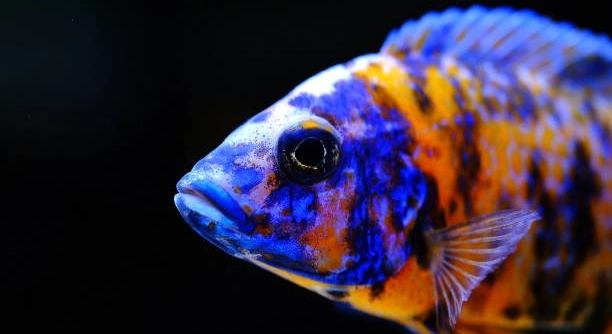
African cichlids are popular aquarium fish known for their vibrant colors and active behavior. When moving them to a new tank, their reactions can vary depending on several factors. Understanding their response is important for maintaining their well-being.
African cichlids typically exhibit stress and territorial behaviors when introduced to a new tank environment. Changes in water parameters, tank layout, and the presence of other fish can trigger aggression, hiding, or decreased activity until they acclimate to their surroundings.
Adjusting to a new habitat is a gradual process for these fish. Knowing what to expect can help create a smoother transition for your cichlids and improve their long-term health.
Stress Factors During Tank Moves
Moving African cichlids to a new tank introduces several stress factors. Sudden changes in water temperature, pH, or hardness can cause discomfort. The new tank’s setup, including rocks, plants, and hiding spots, may feel unfamiliar, increasing anxiety. Additionally, the presence of other fish can create territorial disputes, especially if the species are not compatible. Stress weakens their immune system, making them prone to illness. Proper acclimation and stable water conditions reduce these effects. Maintaining consistent lighting and minimizing loud noises around the tank help create a calmer environment. Monitoring fish behavior after the move is crucial to catch signs of prolonged stress. Some fish may hide for days or show reduced appetite. Understanding these stress triggers supports healthier adaptation and reduces the risk of long-term issues.
Keeping water conditions stable during the move helps minimize stress and supports fish health.
Proper acclimation prevents shock and encourages quicker adjustment to the new environment.
Behavioral Changes After Moving
African cichlids often display notable behavioral shifts following a tank move. They may become more aggressive as they establish new territories, especially males defending space. Some cichlids withdraw, hiding more frequently while adjusting. Changes in feeding patterns are common; fish might eat less initially, then gradually return to normal consumption. Monitoring aggression is essential to prevent injury. Providing ample hiding places and visual barriers reduces stress and territorial disputes. Over time, most cichlids settle into a routine, showing increased activity and interaction. The degree of change depends on individual temperament, tank size, and community dynamics. Understanding typical behaviors helps in managing their needs effectively. Ensuring stable conditions and minimizing disturbances supports a smoother behavioral transition, promoting overall well-being in their new home.
Preparing Your Tank for the Move
Ensuring the new tank is properly set up before introducing African cichlids reduces their stress significantly. The water should be fully cycled and parameters tested for stability. Arrange hiding spots and territorial markers like rocks and caves.
A fully cycled tank supports beneficial bacteria that break down harmful waste, creating a healthy environment. Matching water temperature and chemistry to the previous tank helps avoid shock. Placement of decorations should allow each fish space to claim territory. A clutter-free, organized setup prevents aggression. Filtration and aeration need to be adequate for the tank size to maintain water quality. Taking these steps before moving your fish helps ease their adjustment and reduces health risks.
Checking the tank for sharp edges and maintaining consistent lighting also promotes a safe, calming atmosphere for the fish.
Transporting African Cichlids Safely
Transporting African cichlids requires careful handling to avoid injury and stress. Use a clean container with adequate water from their current tank. Avoid overcrowding to reduce oxygen depletion. Keep the container covered to minimize light and movement.
Temperature fluctuations during transport can cause stress. Use insulated containers or towels to maintain stable conditions. Avoid sudden jolts or rapid movements while carrying the fish. If transport time is long, pause occasionally in a shaded, calm area. Once at the new tank, gradually acclimate the fish by floating the transport container on the tank’s surface, allowing water temperatures to equalize. Slowly mix tank water into the container over 30 to 60 minutes before releasing them. This process reduces shock and prepares the fish for their new environment.
Signs of Stress in African Cichlids
Stress in African cichlids can show through changes in behavior or appearance. Watch for hiding, loss of appetite, or unusual aggression. These signs indicate the fish is struggling to adjust.
Physical signs include faded colors, clamped fins, or rapid breathing. Early detection helps prevent illness.
How to Help Cichlids Adjust
Providing plenty of hiding places allows fish to feel secure and reduces conflict. Maintaining stable water conditions is critical. Avoid sudden changes in temperature or chemistry, as these worsen stress and delay recovery.
Feeding Tips After Moving
Offer small, frequent meals to encourage eating. Avoid overfeeding, which can pollute the water and increase stress. Choose high-quality foods to support immune health during adjustment.
Monitoring Health Post-Move
Regularly check fish for signs of illness or injury. Early treatment is key to recovery and long-term well-being.
FAQ
How long do African cichlids take to adjust after a tank move?
Adjustment time varies but usually takes about one to two weeks. Some fish settle faster, while others may show stress longer. Providing a stable environment and hiding spots helps speed up this process.
What are the most common signs of stress in cichlids after moving?
Common signs include hiding more than usual, reduced appetite, aggressive behavior, faded colors, and clamped fins. Rapid breathing or lethargy can also indicate stress. Observing these early can prevent serious health issues.
Can I move multiple cichlids at once?
Yes, but avoid overcrowding during transport. Use separate containers if necessary to reduce stress and injury. In the new tank, ensure there is enough space and hiding places to minimize territorial disputes.
Should I change the water during transport?
No, use water from the current tank for transport. This keeps water parameters stable and reduces shock. Changing water during transport can cause sudden shifts in temperature or chemistry, increasing stress.
How do I acclimate cichlids to the new tank water?
Float the transport container in the new tank to equalize temperature. Gradually add small amounts of tank water into the container over 30 to 60 minutes. This helps fish adjust to new water chemistry slowly before release.
What if my cichlids stop eating after the move?
Loss of appetite is common for a few days. Offer small, frequent meals of high-quality food. If they do not eat after a week or show other symptoms, check water quality and consider consulting a vet.
How can I reduce aggression in the new tank?
Provide plenty of hiding spots and visual barriers. Avoid overcrowding and introduce fish of similar size and temperament. Rearranging tank decorations after the move can help reset territories and reduce fights.
Is it normal for cichlids to hide a lot after moving?
Yes, hiding is a natural response to stress and new surroundings. It allows them to feel safe while they adjust. Increase hiding places if hiding seems excessive and monitor for other stress signs.
What water parameters are best during and after a move?
Maintain stable temperature, pH, and hardness similar to the original tank. African cichlids generally prefer slightly alkaline water with a pH around 7.5 to 8.5. Consistency prevents shock and supports health.
Can I use medication during or after a move to help my fish?
Medication is not usually necessary if water conditions are stable and fish show no illness. Using medication without symptoms can cause more stress. Only treat if signs of disease appear and follow dosing instructions carefully.
How often should I check on my cichlids after moving?
Observe your fish several times daily for the first week. Look for signs of stress, illness, or aggression. Regular checks help catch problems early and allow you to adjust care as needed.
What should I do if one fish is more aggressive after the move?
Separate the aggressive fish temporarily if possible. Increase hiding places and rearrange tank layout to reduce territorial disputes. Sometimes, aggression decreases as fish settle, but persistent problems may require rehoming.
Can tank size affect how cichlids react to a move?
Yes, a larger tank gives fish more space to establish territories and reduces stress. Small tanks increase competition and aggression. Ensure the new tank size fits the number and species of cichlids you keep.
How important is water quality after a move?
Water quality is critical. Poor water increases stress and risk of disease. Test ammonia, nitrite, nitrate, pH, and temperature regularly. Perform water changes if levels become unsafe, but avoid sudden changes.
Are there any special considerations for different cichlid species during a move?
Some species are more territorial or sensitive to water changes. Research specific needs of your species. Adjust acclimation and tank setup accordingly to reduce stress and aggression.
Can I move cichlids during breeding?
It is best to avoid moving breeding pairs or fry. Moving disrupts behavior and increases stress, potentially harming eggs or young. Wait until breeding is complete or plan moves carefully to minimize disturbance.
What are the risks of not preparing the new tank properly?
Improper preparation can lead to shock, illness, aggression, and even death. Unstable water parameters and lack of hiding spots increase stress. Proper setup ensures a healthy environment and smooth transition.
How do I know if my cichlids have fully adjusted?
Signs include normal feeding behavior, vibrant colors, regular activity, and stable social interactions. Reduced hiding and aggression also indicate comfort in the new environment.
Is it necessary to quarantine cichlids before moving them?
Quarantine is recommended when introducing new fish to prevent disease spread. If moving fish within your collection, quarantine may be less critical but still useful after a move if signs of illness appear.
Can sudden noises or vibrations affect cichlids after moving?
Yes, sudden disturbances increase stress. Keep the tank in a quiet, stable area with minimal vibrations. Consistent conditions support faster adjustment and well-being.
What should I do if water parameters fluctuate after the move?
Test water regularly and perform partial water changes to stabilize parameters. Avoid drastic changes. Use conditioners if needed and monitor fish behavior closely to ensure recovery.
How long should I wait before adding new fish after a move?
Wait at least two weeks after your cichlids settle before adding new fish. This reduces stress and gives time to confirm water stability and health of current inhabitants.
Are there behavioral signs that indicate poor water quality?
Yes, gasping at the surface, lethargy, erratic swimming, or excessive hiding often signal water issues. Test water immediately if these behaviors appear.
What is the best way to introduce multiple cichlids to a new tank?
Introduce all fish at the same time if possible. This helps establish territories simultaneously and reduces bullying. Provide plenty of hiding places to support peaceful coexistence.
Can plants help cichlids adjust to a new tank?
Plants provide hiding spots and reduce stress. They also improve water quality by absorbing nitrates. Choose hardy plants that tolerate cichlid activity.
How often should I clean the tank after moving cichlids?
Regular maintenance is essential. Clean the tank weekly but avoid deep cleaning that disturbs beneficial bacteria. Partial water changes help maintain a healthy environment.
Can poor diet worsen stress after moving?
Yes, a balanced diet supports immune function and recovery. Feeding poor quality or inappropriate food can weaken fish and prolong stress effects.
How do temperature changes during transport affect cichlids?
Sudden temperature drops or rises cause shock and stress. Use insulated containers and minimize exposure to extreme temperatures during transport.
What’s the best way to handle fish during a move?
Handle gently with a soft net or container. Minimize handling time and avoid overcrowding. Calm, steady movements prevent injury and stress.
How long can cichlids survive in transport water?
Transport water should be fresh and oxygenated. Fish can survive several hours if conditions are stable. Longer transport requires careful temperature and oxygen management.
What role does tank decoration play in cichlid behavior after moving?
Decorations create territories and hiding spots. Proper placement reduces aggression and stress. Rearranging after a move can help reset territorial boundaries.
Should I adjust lighting after moving cichlids?
Keep lighting consistent with their previous tank. Sudden changes can stress fish. Gradually adjusting light levels may help if needed.
Can stress from moving cause disease in cichlids?
Yes, stress lowers immunity, making fish vulnerable to infections like ich or fin rot. Maintaining stable conditions and monitoring health reduces this risk.
What is the best way to maintain oxygen levels during transport?
Use air stones or oxygen tablets if available. Keep the container covered but allow some air exchange. Avoid overcrowding to maintain oxygen.
Are there signs that indicate a fish is not coping well with the move?
Persistent hiding, refusal to eat, faded colors, or lethargy after several days suggest poor coping. Early intervention improves chances of recovery.
Can using water from the new tank in transport help?
It is better to use water from the original tank during transport to maintain familiar conditions. Gradual mixing of new tank water during acclimation is safer.
How do I avoid overcrowding during transport?
Limit the number of fish per container based on size and tank volume. Use multiple containers if necessary to reduce stress and injury risk.
Is it better to move fish during the day or night?
Daytime moves allow better visibility and monitoring. Some prefer moving in low light to reduce activity and stress. Choose what works best for your situation.
What equipment is essential for moving cichlids?
Clean containers, water test kits, temperature control (like towels or insulated boxes), and acclimation tools are important. Preparing ahead ensures a safer move.
How can I tell if my cichlids are happy in their new tank?
Active swimming, normal feeding, bright colors, and regular social interactions show contentment. Calm behavior and low aggression are good signs.
Is quarantine necessary after moving within the same home?
Quarantine is less critical if fish are healthy and moved between established tanks. Monitor closely for any signs of illness.
How often should I test water parameters after moving?
Test daily for the first week, then reduce frequency as parameters stabilize. Early detection of issues prevents health problems.
What is the best way to reduce territorial disputes after moving?
Increase hiding spots and rearrange tank layout. Introduce fish simultaneously. Monitor closely and separate aggressive individuals if needed.
Can adding salt help reduce stress after moving?
Adding aquarium salt in recommended amounts can help reduce stress and prevent infections. Avoid overdosing, as cichlids are sensitive to salt levels.
How important is patience during the adjustment period?
Patience is key. Fish need time to acclimate and settle. Rushing changes or frequent disturbances can prolong stress and harm their health.
What should I do if a fish becomes ill after moving?
Isolate the sick fish if possible. Test water quality and treat with appropriate medication following instructions. Maintain clean water and monitor all fish closely.
Are some cichlids more tolerant of moves than others?
Yes, species vary in sensitivity. Some tolerate changes well, while others are more prone to stress. Knowing your species helps tailor care during moves.
Final Thoughts
Moving African cichlids to a new tank is a process that requires careful planning and attention to detail. These fish are sensitive to changes in their environment, so it is important to prepare both the transport and the new tank properly. Ensuring the water is stable, the temperature is consistent, and the tank is set up with enough hiding spots helps reduce stress. Taking the time to acclimate the fish slowly will make the transition smoother and support their health.
Stress is the main challenge when moving cichlids. It can cause changes in behavior, reduced appetite, and weakened immune systems. Watching for signs of stress early allows for quick action to help the fish adjust. Keeping water parameters stable and providing a calm environment supports recovery. Feeding small, frequent meals of good quality food also aids their adjustment. Avoiding overcrowding and providing enough space is key to reducing aggression and territorial disputes after a move.
Patience is important throughout this process. Each fish may take different amounts of time to settle into the new tank. Some may adapt quickly, while others need more time to feel secure. Regular monitoring and gentle care help create a healthy space where African cichlids can thrive. A well-prepared tank and thoughtful handling during the move make a significant difference in the well-being of these colorful, active fish. Taking these steps helps ensure their long-term health and enjoyment.

Hello,
If you enjoy the content that we create, please consider saying a "Thank You!" by leaving a tip.
Every little bit helps us continue crafting quality advice that supports the health, happiness, and well-being of pets around the world, for pets of all shapes, sizes, and species.
We really appreciate the kindness and support that you show us!