
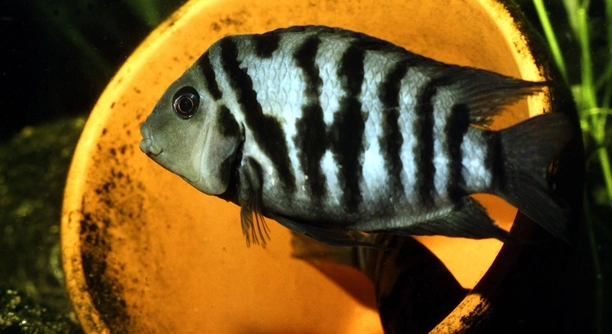
Have you ever found yourself fascinated by the bright colors and bold behavior of wild African cichlids in your aquarium?
Wild African cichlids can be tamed to a certain extent through consistent interaction, proper care, and environmental stability. However, their instinctual behaviors remain strong, and complete domestication is not typically achievable with these fish.
Learning how to manage their aggression and meet their needs can make caring for them easier and more enjoyable in the long run.
Understanding Wild African Cichlid Behavior
Wild African cichlids are known for their territorial nature, bold personalities, and vibrant colors. Unlike many other fish, they often display complex social behavior, which can make them fascinating but also challenging to keep. These fish typically come from rocky lake environments with limited space and resources, which explains their instinct to protect their territory aggressively. In captivity, this instinct doesn’t disappear. Instead, it can become more pronounced, especially in tanks that are too small or poorly structured. Providing plenty of hiding spots and visual barriers can help reduce stress and territorial disputes. It’s also important to understand that each fish has its own temperament. Some might adjust to your presence over time, while others remain unpredictable.
Keeping African cichlids requires patience and a strong understanding of their natural tendencies. They aren’t naturally calm fish, so expecting peaceful behavior right away can lead to frustration.
Creating a comfortable space that resembles their natural habitat will reduce aggressive behavior. Use rocks, caves, and adequate tank size to help the fish feel secure. Providing a balanced diet and keeping the water clean also plays a role in stabilizing their behavior. With proper care and attention, you can manage their wild tendencies while still enjoying their bold personalities.
Taming Without Stressing the Fish
African cichlids can become less reactive over time when handled with consistency and care. Avoid sudden movements and maintain a regular feeding routine.
Building trust with wild African cichlids doesn’t mean physically handling them. Instead, focus on consistent routines. Feed them at the same time daily, avoid tapping on the glass, and give them space when needed. Use slow, steady hand movements near the tank to get them used to your presence. Over time, some cichlids may swim closer during feeding or watch you with curiosity. That’s a sign of growing comfort. It’s important not to confuse this with domestication. These fish retain their natural instincts, and even a tamed individual may act out when stressed. If you notice excessive hiding, erratic swimming, or loss of appetite, re-evaluate the tank setup and water quality. Taming is more about reducing fear than changing personality. Be consistent, calm, and patient, and your cichlids will respond with more predictable behavior over time.
Creating the Right Tank Environment
A stable environment is key when keeping wild African cichlids. Use rocks, caves, and tall decorations to break lines of sight and reduce aggression between fish in the tank.
Water quality plays a major role in their behavior. Maintain a pH between 7.8 and 8.6, and keep the temperature stable around 76–82°F. African cichlids thrive in hard, alkaline water, so use crushed coral or aragonite sand to help maintain these levels. Regular water changes are necessary to prevent waste buildup, which can lead to stress and aggression. Avoid overcrowding, but don’t understock the tank either—a moderate group helps spread aggression. Use a strong filter to manage bioload and ensure the tank stays clean. A proper lighting schedule will also keep their day/night cycle consistent. Stability in water conditions, layout, and feeding time all help calm their natural instincts and make them easier to manage over time.
Tank size also affects their behavior. A minimum of 55 gallons is recommended, but larger tanks allow for better separation and movement. If you mix different species, check their compatibility to prevent constant fighting. Stocking fish of similar size and temperament will help maintain peace. Monitoring interactions regularly will let you adjust the layout or stocking if needed.
Feeding Strategies That Help Calm Behavior
Feeding them the right way can support calmer behavior. Stick to a consistent schedule and avoid overfeeding, which can foul the water and cause aggression.
Use high-quality pellets formulated for African cichlids, and avoid protein-heavy foods that may lead to digestive issues. Include occasional vegetable matter like spirulina flakes or blanched spinach to balance their diet. Feed once or twice a day, offering only what they can finish in a few minutes. Overfeeding increases waste and affects water quality, which leads to stressed, aggressive fish. You can also skip feeding once a week to let their systems rest. Watching their feeding habits can also tell you a lot—if a fish suddenly loses interest, it may be unwell or stressed. Feeding time can also be a way to build comfort between you and the fish. They often begin to associate your presence with food, which can help reduce skittish behavior over time.
Recognizing Stress and Aggression
Look for signs like torn fins, hiding, faded colors, or refusal to eat. These are common signs that your cichlid is stressed or feeling threatened.
Chasing, mouth-locking, or constant flaring are signs of aggression. If these continue, consider rearranging the tank or separating the most aggressive fish.
Breeding Behavior and Its Impact
Breeding changes behavior significantly. Males become more territorial, while females may hide or become protective after laying eggs. Spawning areas often become aggressive zones. It’s best to offer flat rocks or caves for breeding without disturbing the rest of the tank. Remove fry or separate breeding pairs if aggression increases. If left together, some fish may guard the fry, while others may eat them. Breeding is natural and common, especially in stable tanks, but it can lead to behavioral shifts. Keep an eye on tank dynamics during this time and adjust your setup if necessary to prevent ongoing tension.
When Taming Doesn’t Work
Some wild African cichlids remain aggressive no matter what. In those cases, separation or rehoming may be the best option to protect other fish.
FAQ
Can wild African cichlids really be tamed?
Wild African cichlids can become accustomed to regular feeding and your presence but will always keep some natural instincts. True domestication, like that seen in dogs or cats, isn’t possible. They may become less skittish but remain territorial and aggressive at times.
How long does it take for them to get used to a person?
It varies by individual fish and tank conditions. Some cichlids may start reacting calmly within a few weeks, especially with consistent feeding routines. Others can take months or never fully settle, depending on their temperament and environment. Patience and consistency are key.
What is the best tank setup to reduce aggression?
A tank with plenty of rocks, caves, and hiding spots is ideal. Breaking sightlines between fish helps lower fights. A minimum tank size of 55 gallons is recommended to give enough space. Proper water parameters, regular cleaning, and moderate stocking also keep aggression down.
Can different species of cichlids live together?
Some species can coexist if they have similar temperaments and sizes, but many will fight. Researching compatibility is important before mixing species. It is often safer to keep one species or carefully selected community groups to avoid constant aggression.
How do I know if a fish is stressed?
Signs include faded colors, hiding more than usual, loss of appetite, and damaged fins. Stress can be caused by poor water quality, overcrowding, or bullying. Fixing tank conditions and removing aggressive fish can improve health and mood.
What should I feed wild African cichlids?
A balanced diet with high-quality cichlid pellets is best. Supplement with vegetable matter like spirulina or blanched veggies to avoid digestive problems. Avoid overfeeding to keep water quality good and reduce aggressive behavior. Feed once or twice daily with measured portions.
How can I help a newly introduced cichlid adjust?
Add plenty of hiding places and rearrange decorations slightly when introducing new fish. Keep an eye on aggression and separate fish if fights get severe. Gradually, new cichlids will establish their place and become less stressed if conditions are stable.
Is it normal for cichlids to be aggressive during breeding?
Yes, males often become very territorial, and females may hide or guard their eggs. Providing separate breeding areas helps reduce tank-wide fights. Removing fry or breeding pairs can protect other fish if aggression is excessive.
Can handling or tapping the tank help tame cichlids?
Tapping usually stresses fish and is not recommended. Slow, gentle hand movements near the tank during feeding can help fish get used to your presence. Avoid sudden or aggressive motions to prevent frightening them.
What do I do if taming doesn’t work?
If a cichlid remains aggressive despite efforts, consider separating it or rehoming. Protecting other fish is important, as persistent aggression can cause injury or stress. Sometimes, the natural behavior of these fish limits how much taming is possible.
How important is water quality for behavior?
Water quality is crucial. Poor conditions cause stress and increase aggression. Regular water testing and changes keep parameters stable. Using appropriate filtration and avoiding overcrowding also support calmer, healthier fish.
Can African cichlids recognize their owners?
While they don’t recognize humans like pets do, they can learn to associate feeding times and your presence with food. This recognition often leads to less fear and more interest in watching you during feeding.
Do wild African cichlids need a specific water pH?
Yes, they prefer alkaline water with a pH between 7.8 and 8.6. This mimics their natural habitat in African lakes. Maintaining this range helps keep them healthy and reduces stress-related behavior problems.
Is it better to keep African cichlids in groups?
Keeping them in moderate groups spreads aggression and allows natural social behaviors. Overcrowding is harmful, but a well-sized group can reduce bullying compared to keeping just a few fish. Choose compatible sizes and species when grouping.
What signs show a cichlid is comfortable in its tank?
Bright colors, active swimming, regular eating, and exploring the tank are positive signs. Calm behavior around other fish and curiosity toward your presence also indicate comfort. Monitoring these behaviors helps assess their well-being.
Can I train African cichlids to come to me?
Training is limited but possible to some degree. Feeding at consistent times and slowly placing your hand near the tank can encourage fish to approach. This isn’t training like with mammals but more of a conditioned response to feeding.
Are wild African cichlids good for beginners?
They can be challenging due to their aggression and specific water needs. Beginners willing to research and maintain stable conditions may succeed, but these fish are often better for hobbyists with some experience. Proper tank setup and patience are essential.
How often should I clean the tank to keep cichlids calm?
Weekly partial water changes of 20-30% are recommended. Cleaning gravel and filters regularly prevents waste buildup. Clean water supports healthy fish and reduces stress that can trigger aggression. Consistency in maintenance is key to success.
Final Thoughts
Wild African cichlids are fascinating fish with bright colors and bold personalities. They bring energy and interest to an aquarium but also come with challenges. Their natural instincts make them territorial and aggressive, which can be hard to manage in a home tank. While they can become used to regular feeding and your presence, they will never be fully tame like some other pets. It is important to have realistic expectations when caring for these fish. Understanding their behavior and needs helps create a better environment for both the fish and the owner.
Creating the right tank setup is key to managing aggression and stress in African cichlids. Providing plenty of hiding spots and breaking up lines of sight reduces conflicts between fish. Keeping water quality stable and feeding a balanced diet also support calmer behavior. Consistency in care and patience are important since it takes time for fish to adjust and feel comfortable. Watching their behavior closely helps identify any problems early so adjustments can be made. If aggression becomes too severe, separating fish or changing the tank layout can improve the situation.
In the end, keeping wild African cichlids requires dedication and understanding of their natural traits. They offer beauty and active movement but demand respect for their instincts. Some individuals may become less shy or aggressive, but others will always act according to their wild nature. Caring for them well means balancing their needs with your expectations and being willing to adapt as you learn more. With proper care and attention, African cichlids can thrive and provide enjoyment as part of a healthy aquarium.

Hello,
If you enjoy the content that we create, please consider saying a "Thank You!" by leaving a tip.
Every little bit helps us continue crafting quality advice that supports the health, happiness, and well-being of pets around the world, for pets of all shapes, sizes, and species.
We really appreciate the kindness and support that you show us!