
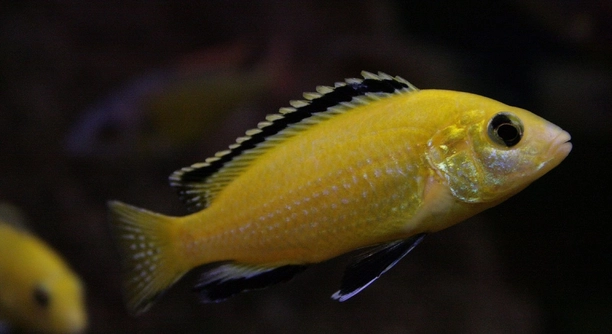
Have you ever noticed your peaceful cichlids suddenly turn aggressive, chasing and nipping at each other without any clear reason?
African cichlids begin fighting suddenly due to environmental stress, changes in hierarchy, overcrowding, breeding behavior, or territorial disputes. These fish are naturally aggressive, and even minor disruptions can trigger conflicts within their social structure.
Understanding these triggers can help you manage their behavior and maintain a peaceful tank environment for your colorful aquatic pets.
Sudden Territory Shifts
African cichlids are territorial by nature, and any change in the tank can trigger sudden aggression. Rearranging decorations, adding new fish, or changing water conditions can shift boundaries, causing dominant fish to defend what they see as theirs. Even small changes in lighting or substrate can create confusion in their environment. These fish rely on established spaces to feel secure, so when their surroundings are altered, they react defensively. Territorial disputes often look like chasing, fin nipping, or prolonged staring. If the tank is too small or lacks hiding spaces, this stress increases. Keeping a stable layout and plenty of visual barriers can help reduce aggressive behavior. It’s important to observe how they respond to each change and act quickly if aggression rises. A calm, stable setup allows each fish to claim its spot and settle without unnecessary tension. Consistency in tank design can help prevent stress-triggered aggression.
Small tank changes may seem harmless, but they often lead to sudden conflicts in cichlid groups.
To keep peace, avoid moving decor unless necessary. If you must make changes, do it gradually. Provide more rocks and plants to create separate zones and reduce visibility between rivals. This gives each fish enough space to feel secure. Watch closely after changes.
Overcrowding and Space Conflicts
Overcrowding is one of the fastest ways to cause fighting among African cichlids. These fish need both physical space and visual boundaries. When too many fish are forced into a small area, their stress levels rise, and natural aggression surfaces. Limited space means fewer territories to claim, leading to constant challenges and fighting. Even with a filter that keeps the water clean, overcrowding affects behavior. Some aquarists try to reduce aggression by overstocking to “spread” aggression, but this often backfires. A crowded tank leads to ongoing disputes, higher waste levels, and poor water quality. It also increases the chance of injury. A good rule is to provide at least 30 gallons for a small group and add space as the group grows. Rocks, plants, and caves can create more physical boundaries and allow weaker fish to escape view. Careful stocking and thoughtful design help maintain balance and reduce fights.
Give your cichlids space to breathe—less crowding often means less aggression.
When housing African cichlids, always consider their natural behavior. They are not peaceful community fish and require room to establish dominance without constant challenges. A tank that’s too full leaves no room to escape. Use tank size and layout as tools to prevent constant fighting.
Breeding Behavior and Mating Aggression
Breeding triggers strong aggression in African cichlids, especially when males compete or when females protect their fry. This natural instinct can cause sudden fights in tanks that were previously calm and balanced.
When a male cichlid is ready to breed, he becomes territorial and often aggressive toward other males and even uninterested females. He may chase, nip, or isolate them. Females also show defensive behavior once they lay eggs or hold them in their mouths. This behavior is protective, not hostile, but it can still upset the tank’s social balance. A breeding tank or moving gravid females can reduce stress. Too many males or an imbalanced sex ratio often makes this worse. One male for every three to four females is ideal for minimizing stress and conflict. Keeping your eye on breeding signs helps you take action before fighting becomes dangerous.
Fighting caused by mating behaviors often looks more intense than regular aggression. Some fish will guard a certain corner of the tank and lash out at anything nearby. Others may relentlessly chase a specific tankmate. These patterns usually fade once breeding ends, but not always. Separate aggressive breeders if necessary, and use tank dividers if removing them isn’t possible. Watching their interactions can help you step in before injuries happen.
Lack of Hiding Spots and Visual Barriers
Without enough hiding places or visual breaks, cichlids are forced into constant sight of one another. This increases stress and triggers defensive aggression, especially in more dominant fish. A bare tank leaves no room for privacy or retreat.
African cichlids thrive in environments with rocks, caves, and plants that break the line of sight. When the tank lacks these features, fish feel exposed and defensive. Visual barriers allow them to avoid confrontation by staying out of sight. When a fish has nowhere to retreat, even passive individuals begin to fight back. Using stacked rocks, tunnels, or thick plants can create safe areas and reduce tension. These features should be spread throughout the tank, not just in one spot. This prevents one fish from claiming the whole structure. Regularly rearrange or add decor to match their growing needs. Providing cover helps maintain calm behavior and keeps weaker fish from being singled out.
Imbalanced Male-to-Female Ratio
An uneven ratio of males to females creates unnecessary competition. Too many males in one tank will constantly compete for dominance and breeding rights, leading to nonstop chasing and aggressive displays.
To reduce tension, aim for one male with at least three females. This keeps a single male from overwhelming one female with attention.
Poor Water Conditions
Stress from poor water quality can lead to sudden aggression in African cichlids. High ammonia, unstable pH, or low oxygen levels affect their mood and make them irritable. A stressed fish is more reactive and less tolerant of nearby tankmates. Regular water changes and testing are essential. Use a reliable filter, avoid overfeeding, and monitor waste buildup. Keeping stable water parameters helps prevent health issues and lowers tension. Healthy cichlids are less likely to lash out. Always act quickly when water quality drops—addressing the problem early prevents fights and keeps the tank stable. Balanced conditions promote calm, natural behavior and fewer outbursts.
Incompatible Tankmates
Not all cichlids get along. Mixing aggressive species with more peaceful ones often leads to bullying and constant stress. Always research compatibility before adding new fish.
FAQ
Why do African cichlids suddenly start fighting after months of peace?
African cichlids often live in peace for a while until something disrupts their social balance. This could be a new fish, changes in tank layout, breeding behavior, or even slight shifts in water parameters. These changes can challenge the dominant fish or stress out the group, triggering a shift in hierarchy. Once one fish asserts dominance, others may respond defensively or try to challenge that position. This can start a chain of fights. Even previously peaceful tanks can turn aggressive quickly if the balance is upset. Always observe closely when anything changes in their setup.
Can certain African cichlid species be kept together safely?
Some species are more compatible than others, but aggression can still happen. Mbuna species, for example, are very territorial and do best with other Mbuna. Peacocks tend to be less aggressive but can still become territorial, especially during breeding. Avoid mixing very aggressive species with peaceful ones, and always research their needs. Stick to fish with similar size, temperament, and dietary needs. Overstocking works for some advanced keepers, but for most setups, providing enough space and hiding areas is more effective. If unsure, choose species that are known to coexist well with others under proper tank conditions.
How can I break up a fight between two African cichlids?
If a fight starts, don’t reach into the tank right away. First, turn off the lights to help reduce tension. If the aggression continues, use a tank divider to separate them. You can also add more rocks or plants to break up the line of sight. In some cases, moving one fish to another tank is the only solution. Rearranging the decor slightly can reset territories and reduce aggression. Always check water conditions too—stress can make aggression worse. Handle the situation quickly, as ongoing fights can lead to injury or death.
Do African cichlids fight to the death?
In some cases, yes. If aggression is left unchecked, a dominant fish may kill a weaker one, especially in small tanks with no hiding spots. This usually starts with chasing and fin nipping but can escalate quickly. Injured fish can’t always escape, making them even more vulnerable. Providing hiding places and separating the aggressor early can help prevent fatal outcomes. Keep an eye on persistent chasing or wounded fins—those are early signs of serious trouble. If a fish shows signs of constant stress, it’s better to act fast before the situation gets worse.
How many African cichlids should I keep together?
The number depends on the tank size and species. For Mbuna, many aquarists recommend overstocking slightly in larger tanks to help spread out aggression. For less aggressive types like peacocks, a moderate group works better. A 55-gallon tank can usually support 12–15 medium-sized cichlids if filtration is strong and layout supports it. Be sure to have plenty of hiding areas and maintain good water quality. Watch their behavior closely—if any fish becomes isolated, aggressive, or overly dominant, adjust the group as needed. Always consider their full adult size when stocking.
Will aggression stop on its own?
Sometimes, yes. Cichlids may establish a stable pecking order and settle into a routine. But if the tank is too small, overstocked, or lacks structure, the aggression usually continues. Once damage starts, things rarely improve without intervention. If aggression is constant or escalating, take action. Rearrange the tank, add more hiding places, or isolate the aggressor. Long-term peace depends on the right setup, tank mates, and conditions. Don’t wait too long hoping it will resolve itself—prevention and early changes work best.
Can I keep African cichlids in a community tank?
It’s not recommended. African cichlids are best kept with other African cichlids, especially those from the same lake. Most community fish are too passive to handle their energy and aggression. If you mix them, you risk injury and stress for the less aggressive fish. Stick with tank mates that share their behavior, space needs, and diet. Even then, monitor interactions daily. Cichlids do best in species-specific tanks designed to meet their territorial needs. Mixing incompatible fish can quickly lead to problems, even in large tanks.
Final Thoughts
Keeping African cichlids can be a rewarding experience, but it requires careful attention to their behavior and environment. These fish are naturally territorial and can turn aggressive without much warning. Fighting often begins when something in the tank changes—like new fish, poor water quality, or changes in layout. While some aggression is normal, sudden and constant fighting is usually a sign that something isn’t right. Watching their behavior closely, especially after any change, helps you catch problems early and prevent serious injuries. A peaceful tank is possible, but it depends on providing the right setup and balance.
Tank size, layout, and group dynamics all play a big role in how your cichlids interact. Overcrowding, too many males, or a lack of hiding places often lead to unnecessary tension. Even peaceful tanks can change quickly if breeding starts or if one fish becomes dominant. That’s why it’s important to create a stable environment and avoid sudden changes. Use rocks, plants, and caves to give each fish its own space. Keep the tank clean and water parameters steady. With the right setup, aggression can be reduced, and your fish will show more natural and healthy behavior.
Every tank is different, so there’s no single solution that works for everyone. Some fish will be more aggressive than others, and group behavior can shift over time. The key is staying observant and being willing to make adjustments when needed. If a fish is getting picked on or if fighting becomes nonstop, take action. Sometimes it’s as simple as moving a decoration, and other times, it might mean separating fish. What matters most is making sure all your fish stay safe and healthy. With the right care and attention, African cichlids can thrive in your home aquarium and show off their bright colors and unique personalities without constant fighting.

Hello,
If you enjoy the content that we create, please consider saying a "Thank You!" by leaving a tip.
Every little bit helps us continue crafting quality advice that supports the health, happiness, and well-being of pets around the world, for pets of all shapes, sizes, and species.
We really appreciate the kindness and support that you show us!