
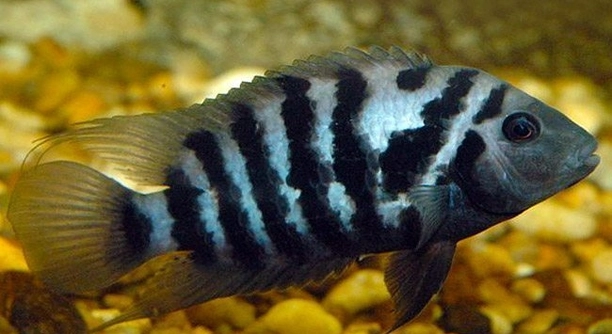
African cichlids are popular freshwater fish known for their vibrant colors and interesting behaviors. Many fishkeepers are fascinated by how these fish interact within their groups. One common topic is whether cichlids can recognize their own young.
Research shows that African cichlids do recognize their offspring through a combination of visual and chemical cues. This ability helps parents protect their fry from predators and even from other adult fish in their territory. Recognition supports their survival and parental care strategies.
Understanding this recognition sheds light on the complex social behaviors of these fish. It also helps aquarium enthusiasts provide better care for cichlids and their young.
How African Cichlids Identify Their Offspring
African cichlids use several senses to recognize their young. Vision is important—they can spot the shape, size, and behavior of their fry. Chemical signals also play a big role. The parents release and detect specific scents that help distinguish their own offspring from others. This recognition is vital because it guides parental care, such as guarding and feeding. Without these cues, cichlids might accidentally care for unrelated fry or ignore their own, risking the survival of their young. The combination of sight and smell creates a reliable way to maintain family bonds underwater. This system shows how evolved and specialized their parenting behaviors are, which is fascinating given the complexity of their habitats and social interactions.
The ability to identify their offspring increases the fry’s chance of survival. It also reduces conflict among adult fish by preventing accidental aggression toward their own young.
This behavior is a result of natural selection. Parents that recognize and protect their own young help ensure that their genes continue in the next generation. Over time, this has made offspring recognition a common trait in many cichlid species. It also explains why cichlids invest so much effort into their parental care, which is more advanced compared to many other fish.
The Role of Parental Care in Cichlids
Parental care in African cichlids is highly developed.
Parents guard and protect their fry from predators and other fish. This care lasts from hatching until the young can survive alone. The parents may even move the fry to safer places when danger is near. This behavior helps increase the survival rates of the offspring. Without this protection, many fry would fall prey to other animals or be harmed by adult fish. The time and energy parents spend on caring for their young show how important offspring recognition is. It allows the parents to focus their attention on their own fry, improving their chances of reaching adulthood. This care also involves cleaning the area and sometimes guiding the fry to food. Overall, parental care is a key part of the cichlids’ life cycle and helps maintain their populations in the wild.
Differences Between Species
Not all African cichlids recognize their offspring in the same way. Some species rely more on visual cues, while others depend heavily on chemical signals. The level of parental care also varies between species, affecting how they identify and protect their young.
Species that form large groups may face more challenges in offspring recognition due to the number of fish present. In contrast, species with smaller family groups can be more precise. Environmental factors also play a role; clearer water helps visual recognition, while murkier habitats may require stronger chemical signals. These differences highlight how cichlids adapt their parenting strategies to their surroundings, balancing the needs of survival with available resources.
Some species, like the mouthbrooders, protect their fry by carrying them in their mouths, which reduces the need for complex recognition. Others guard nests or territories, relying on their senses to identify their young among many other fish.
Impact on Aquarium Care
Understanding offspring recognition helps in caring for African cichlids in aquariums. Tank setups can be adjusted to support natural behaviors and reduce stress. Providing clear water and proper hiding spaces encourages successful parental care.
Keeping species with different recognition methods in the same tank may cause confusion and aggression. Separating breeding pairs can improve fry survival. Observing the fish closely allows hobbyists to notice signs of recognition or rejection, which can guide care decisions. Proper nutrition and tank maintenance also support healthy family groups. Overall, knowing how these fish recognize their young can make a big difference in maintaining a balanced aquarium environment.
Challenges in Offspring Recognition
Offspring recognition is not always perfect in African cichlids. Mistakes can happen, especially in crowded environments where many fry look similar. This can lead to accidental care for unrelated young or even aggression toward their own.
Stress and environmental changes may reduce a parent’s ability to recognize their offspring. When water quality declines or territory is disrupted, parents may become confused or less attentive. This shows how delicate the recognition process can be and why stable conditions are important for successful breeding.
How Fry Signal Their Identity
Fry produce chemical signals that help parents identify them. These signals vary between families, allowing parents to distinguish their own young from others nearby.
Visual behavior, such as following and clustering near parents, also strengthens recognition. The fry’s activity signals their presence and need for care, reinforcing the bond between parent and offspring.
Parental Investment and Offspring Success
Parental care directly improves fry survival rates. Parents that invest time and energy in protecting their young help ensure more offspring reach maturity. This investment includes guarding, feeding, and moving fry to safety.
Without proper parental care, many fry would not survive predation or competition, lowering the overall success of the species. The effort parents put into recognition and care is crucial for maintaining strong populations.
Effects of Environment on Recognition
Water clarity, temperature, and habitat structure affect offspring recognition. Clear water allows better visual cues, while stable conditions support chemical communication.
FAQ
How do African cichlids recognize their offspring?
African cichlids use a combination of visual and chemical cues to recognize their young. They can see differences in size, shape, and behavior of their fry. At the same time, they rely on unique chemical signals or scents released by their offspring. These cues help parents identify which fry belong to them and deserve care and protection.
Can cichlids recognize offspring from other parents?
Yes, cichlids can distinguish their own offspring from those of other adults. This ability is important to avoid wasting energy caring for unrelated fry and to protect their young from aggression. However, in crowded tanks or wild settings with many fry, mistakes can happen, but generally, parents focus their care on their own.
Do all African cichlid species recognize their offspring the same way?
No, recognition varies by species. Some depend more on sight, while others rely heavily on chemical signals. Species like mouthbrooders protect their young differently by carrying them in their mouths, which reduces the need for complex recognition. Parental care and recognition methods adapt based on habitat and social behavior.
What happens if a parent fails to recognize its offspring?
If recognition fails, parents may ignore their own young or accidentally care for unrelated fry. In some cases, parents might even harm their offspring due to confusion or stress. This can reduce fry survival and impact population health. Stable environments and good tank conditions help reduce recognition errors.
How does the environment affect offspring recognition?
Water clarity, temperature, and habitat complexity influence how well parents can see and smell their young. Clear water improves visual recognition, while stable chemical signals depend on good water quality. Poor conditions or overcrowding can stress parents, making recognition less reliable.
Why is parental care important for cichlid fry?
Parental care increases the chances that fry survive to adulthood. Parents protect fry from predators, guide them to food, and keep them safe from harm. Without this care, many young fish would not survive due to threats from other fish or environmental dangers.
Can cichlids recognize their offspring in a community tank?
Recognition can be more difficult in community tanks with multiple species or many fish. Parents may become confused or stressed, and aggression toward fry can increase. To improve survival, it is often best to separate breeding pairs or provide plenty of hiding spaces.
Do cichlid fry send signals to their parents?
Yes, fry produce chemical signals and show behaviors that help parents recognize them. Following parents closely and clustering near them are visual signs that reinforce recognition and care. Chemical cues help parents identify their own young even when visual signals are less clear.
How long do African cichlids care for their offspring?
The length of parental care varies by species but generally lasts from hatching until the fry can survive alone. This period can be several weeks. During this time, parents protect, feed, and move the fry to safer areas as needed.
What can I do to support offspring recognition in my aquarium?
Maintain clear water and stable conditions to support visual and chemical cues. Avoid overcrowding and separate breeding pairs if possible. Providing hiding places and reducing stress will help parents care better for their young and improve fry survival rates.
African cichlids show a remarkable ability to recognize their offspring using both sight and smell. This recognition plays a key role in how they care for their young and ensure their survival. Parents use visual clues such as the size and behavior of the fry, combined with chemical signals, to tell their own offspring apart from other fish. This helps them focus their energy on protecting and feeding the right young, which improves the chances of those fry growing up safely. Without this ability, many young fish might be ignored or harmed, which would reduce their chances of survival.
The level of offspring recognition and parental care can vary depending on the species and the environment. Some species, like mouthbrooders, carry their young in their mouths to protect them, which means they rely less on complex recognition methods. Other species guard their nests or territories closely, using sight and smell to keep track of their fry. Environmental factors, such as water clarity and quality, also affect how well parents can recognize their offspring. In clear water, visual recognition is easier, while good water quality supports the chemical signals that help fish identify their young. Stress or crowded conditions can make it harder for parents to recognize their offspring properly, which shows how important it is to maintain stable and healthy environments, especially in aquariums.
For those who keep African cichlids in tanks, understanding how these fish recognize and care for their young can improve breeding success. Providing a stable environment with clean water and enough space helps parents protect their fry better. Avoiding overcrowding and separating breeding pairs when needed reduces stress and confusion. Offering hiding spots can give fry safe places to grow while still allowing parents to keep an eye on them. Knowing about offspring recognition also helps hobbyists understand why some fry survive while others don’t, and how to create conditions that support natural behaviors. Overall, recognizing and supporting the natural parenting instincts of African cichlids is key to their health and the success of raising their young.

Hello,
If you enjoy the content that we create, please consider saying a "Thank You!" by leaving a tip.
Every little bit helps us continue crafting quality advice that supports the health, happiness, and well-being of pets around the world, for pets of all shapes, sizes, and species.
We really appreciate the kindness and support that you show us!