
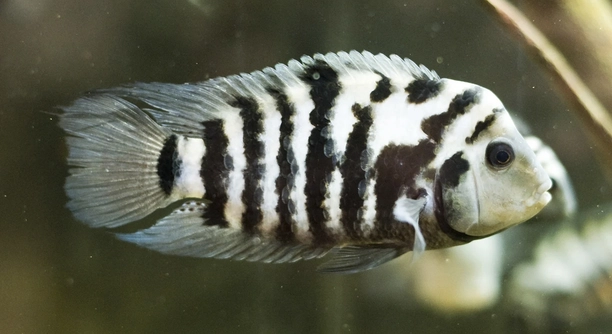
African cichlids are popular freshwater fish known for their vibrant colors and interesting behaviors. Many aquarium enthusiasts observe changes in their colors when they interact with others. These changes often relate to how they communicate within their groups.
African cichlids do show dominance through color changes. Dominant males usually display brighter and more intense colors, while submissive or weaker fish tend to show duller hues. This color signaling helps maintain social order and reduces physical conflicts among them.
Exploring how these color shifts happen can offer valuable insights into their natural behavior and care needs. Understanding dominance through color will help both hobbyists and researchers appreciate these fish better.
How Color Indicates Social Status in African Cichlids
Color changes in African cichlids are more than just beautiful displays; they serve as signals within their social groups. When a male cichlid becomes dominant, his colors often become brighter and more vivid, which helps him assert control over other fish. These brighter colors show strength and health, deterring rivals from challenging him. On the other hand, less dominant or stressed fish will display faded or dull colors. This helps avoid unnecessary fights because it clearly shows which fish are lower in rank. The change in coloration can happen quickly, depending on the situation. For instance, when a dominant fish is removed, others will brighten their colors as they compete for the top position. Understanding these color signals can help you better manage cichlid tanks and reduce aggression.
Dominant males use bright colors to mark their rank, while weaker fish show duller hues to avoid conflict.
Recognizing these color signals helps in identifying which fish are stressed or dominant. By adjusting tank conditions or group dynamics based on this information, it is easier to maintain peace and a healthy environment for the cichlids.
Factors That Affect Color Changes in Cichlids
Color changes in African cichlids are influenced by several factors. Lighting plays a role, as certain lights make colors look more intense. Water quality is also important because poor conditions can cause colors to fade. Stress from overcrowding or aggressive tank mates can make a fish’s colors dull. Diet impacts coloration as well; foods rich in certain nutrients help maintain bright colors. Additionally, age and genetics contribute to how vivid a cichlid’s colors can be. When these factors are balanced, cichlids are more likely to show their natural vibrant colors. Paying attention to these details can improve both the health and appearance of your fish, making the tank more enjoyable to watch.
How Stress Influences Color in African Cichlids
Stress causes African cichlids to lose their bright colors. When a fish feels threatened or uncomfortable, its body produces hormones that dull its coloration. This is a natural defense to avoid drawing attention from stronger fish.
Stress can come from many sources, like poor water quality, overcrowding, or constant fighting. When stress is high, cichlids may also hide more and eat less. Over time, prolonged stress weakens their immune system and health. Keeping the tank clean and balanced helps reduce stress, allowing fish to regain their vibrant colors. Monitoring their behavior and color shifts gives clues about their well-being.
Fish that experience less stress show brighter, more vibrant colors. Stable tank conditions and peaceful group dynamics are key to reducing stress in cichlids.
The Role of Territory in Color Display
Territory plays a big role in how African cichlids use color. Dominant males defend their space by showing off their brightest colors to warn others. A well-defined territory means less fighting because the boundaries are clear. Males with larger or better territories often display more intense colors to attract females and deter rivals.
In tanks without enough space, colors may stay dull because fish feel threatened or crowded. Providing plenty of hiding spots and visual barriers helps reduce stress and aggression. This allows fish to establish territories more naturally, encouraging healthier social behavior and more vivid colors. Creating an environment that supports territorial needs improves both the mood and appearance of cichlids.
Color Changes During Mating Season
During mating season, male African cichlids often brighten their colors to attract females. This display shows their fitness and readiness to reproduce. Females tend to choose mates with the most vivid colors, which signals good health and strong genes.
Color changes can happen rapidly during courtship. Males may also flare their fins and perform specific movements to impress females. These visual signals play a crucial role in successful breeding.
How Submissive Fish Use Color
Submissive cichlids use dull colors to avoid aggression from dominant fish. This lowers their chances of being attacked and helps keep peace within the group.
By showing less intense colors, these fish signal their lower rank and reduce conflict risks, allowing them to coexist safely.
Lighting and Color Perception
Lighting affects how we see cichlid colors. Different light types can make colors appear brighter or washed out. Using full-spectrum or daylight bulbs enhances their natural hues, making the fish look healthier and more vibrant.
Proper lighting is essential to showcase the true colors of African cichlids in any tank setup.
Genetic Influence on Color
Genetics determine the base colors of African cichlids. Some species naturally have brighter or more varied colors than others. Selective breeding can also enhance specific color traits over generations.
Understanding genetics helps in predicting and appreciating the variety of colors seen in these fish.
FAQ
Do African cichlids always change color to show dominance?
Not always, but color changes are a common way cichlids communicate dominance. Bright colors usually mean a fish is confident and controlling its territory. However, other factors like stress or illness can also affect their colors, so it’s important to consider the whole situation before deciding.
How quickly can a cichlid change its color?
Color changes in African cichlids can happen quite fast—sometimes within minutes. When a dominant fish enters or leaves the tank, or when social ranks shift, the colors adjust quickly to reflect new status. This quick shift helps avoid fights by signaling the current power balance.
Can female African cichlids change color like males?
Yes, females can change colors too, but usually their changes are less dramatic than males. Females may darken or lighten depending on mood, stress, or breeding condition, but males show the most vivid and noticeable color shifts linked to dominance and courtship.
What should I do if my cichlid’s color becomes dull?
First, check water quality and tank conditions. Poor water or overcrowding often cause dull colors. Also, look for signs of stress or illness. Improving water parameters, feeding a nutritious diet, and reducing aggression usually help fish regain their bright colors over time.
Does diet really affect cichlid coloration?
Yes, diet plays a big role. Foods rich in carotenoids, vitamins, and proteins help maintain vibrant colors. Feeding quality flakes, pellets, and occasional live or frozen foods can boost natural pigmentation. Avoid low-quality or inappropriate foods that don’t support their color development.
How does lighting affect color display?
Lighting doesn’t change the fish’s actual color but affects how we see it. Bright, full-spectrum light brings out the best colors. Poor or too dim lighting can make even healthy fish look dull. Using proper aquarium lighting helps highlight their natural beauty.
Are color changes stressful for cichlids?
Changing color itself isn’t stressful—it’s a natural response to social cues. But the situations causing the changes, like fights or dominance challenges, can be stressful. Providing enough space and hiding spots helps minimize stress related to social dynamics.
Can cichlids get permanent color changes?
Sometimes, yes. Long-term stress, illness, or injury can cause lasting dullness or changes. Also, older fish may naturally lose some brightness over time. Proper care and a stable environment help maintain their best colors throughout their life.
Do cichlids change color in captivity differently than in the wild?
Captive fish may show less intense color changes due to tank conditions, stress, or diet limitations. Wild cichlids often have more vibrant and rapid color shifts because their environment is natural and complex. Improving tank setup and care can help mimic wild conditions for better coloration.
How can I encourage bright colors in my cichlids?
Maintain good water quality, provide a balanced diet rich in pigments, avoid overcrowding, and use proper lighting. Reducing stress by ensuring compatible tank mates and giving enough space also encourages brighter colors. Watching their behavior helps you adjust care to meet their needs.
African cichlids use color in many ways to communicate with each other. Their bright colors often show which fish is dominant and healthy, while dull colors can mean stress or submission. These color changes happen naturally and quickly, helping to keep order and reduce fights in their groups. Understanding this can help anyone who keeps cichlids better care for their fish and keep their tanks peaceful. Watching how colors change is a good way to learn what your fish are feeling and how they are interacting.
The environment plays a big role in how bright and healthy cichlids look. Factors like water quality, tank size, lighting, and diet all affect their colors. Poor water or overcrowded tanks make fish feel stressed, which can cause colors to fade. Good lighting shows off their colors better but does not change the colors themselves. Feeding the right foods, especially those high in natural pigments, helps fish keep their vibrant look. Providing enough space and hiding spots lets cichlids establish territories and lowers aggression, which also supports better coloration.
By paying attention to the colors of African cichlids, you can tell a lot about their social status, health, and environment. Keeping their tank conditions stable and stress low helps these fish show their natural beauty. Whether you want a peaceful tank or to breed them, understanding color signals is important. In the end, color is more than just a pretty feature—it is an important part of how these fish live and communicate. Taking care of these details helps ensure happy and healthy cichlids for a long time.

Hello,
If you enjoy the content that we create, please consider saying a "Thank You!" by leaving a tip.
Every little bit helps us continue crafting quality advice that supports the health, happiness, and well-being of pets around the world, for pets of all shapes, sizes, and species.
We really appreciate the kindness and support that you show us!