
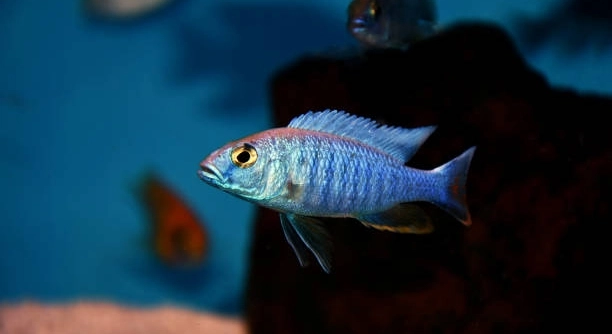
Cichlid tanks need the right lighting to keep fish healthy and stress-free. Too much brightness can harm the fish and affect their natural behavior. Knowing how to spot a tank that is too bright helps maintain a balanced environment.
A cichlid tank is too bright when the fish show signs of stress, such as hiding constantly or displaying faded colors. Excessive light can disrupt their natural rhythms and encourage algae growth, negatively impacting water quality and fish health.
Recognizing these signs early helps protect your cichlids and keeps the tank environment stable and comfortable for them.
Signs Your Cichlid Tank Is Too Bright
When a tank is too bright, cichlids often react in ways that are easy to notice. They may hide more than usual, staying under rocks or decorations to avoid the light. Their colors can appear dull or faded because strong lighting stresses them. You might also see the fish behaving nervously, swimming erratically or staying near the bottom. Another sign is excessive algae growth, which thrives under high light and can make the tank look dirty and reduce water quality. If you notice these signs, it’s important to adjust the lighting to protect your fish’s health and keep the tank balanced. Monitoring how your cichlids act daily helps you spot changes quickly and respond before problems get worse.
Observing your fish closely will tell you if the light level is comfortable or too harsh.
Reducing light intensity or adjusting the lighting schedule can improve your cichlids’ wellbeing. Providing shaded areas in the tank can also help fish feel secure and reduce stress caused by bright light. Balancing natural and artificial light supports both the fish and the aquarium ecosystem, preventing issues like algae overgrowth and keeping water conditions stable.
How to Adjust Lighting for Your Cichlid Tank
Lighting can be controlled by using dimmers, timers, or switching to bulbs with lower brightness. A good starting point is to keep lights on for about 8 to 10 hours a day, mimicking natural daylight cycles. Avoid placing the tank in direct sunlight, as this can cause overheating and increase algae growth. Using plants or decorations that provide shaded spots also gives fish places to escape bright light when needed. Adjusting the light slowly over several days helps fish adapt without sudden changes.
The type and duration of lighting are key factors in maintaining a healthy cichlid environment.
Choosing the right lighting setup means considering both the needs of your cichlids and the plants or other organisms in the tank. LED lights are often recommended because they offer adjustable brightness and energy efficiency. They produce less heat, reducing the risk of water temperature fluctuations. Timers can automate light schedules, ensuring consistency and reducing guesswork. It’s also useful to observe how your fish respond after each adjustment, making changes gradually if stress signs persist. A well-lit tank without excessive brightness creates a stable habitat where cichlids can display natural colors and behavior, helping them thrive for years.
Effects of Excessive Light on Cichlids
Too much light can cause stress in cichlids, making them more prone to illness. It can also bleach their colors, leaving them looking pale and unhealthy. Stress lowers their immune system, increasing vulnerability to disease.
Bright lighting disrupts the natural behavior of cichlids. These fish are used to varying light levels in their natural habitat, so constant strong light can confuse their daily cycles. This leads to changes in feeding patterns and activity levels, which affects their overall health. Stress from light can also cause aggression among tank mates, disturbing the social balance in the aquarium. Reducing light to a moderate level helps maintain their natural rhythm and supports peaceful behavior.
In addition to affecting fish, excessive light encourages algae blooms. Algae thrive under strong, continuous light and can quickly take over the tank surfaces. This not only spoils the tank’s appearance but competes with plants and fish for oxygen and nutrients. Controlling light duration and intensity is important to keep algae growth in check and maintain good water quality for cichlids.
Managing Light Levels Effectively
Setting the right light level involves choosing bulbs with appropriate intensity and using timers for consistent schedules. Gradually reducing light hours by one hour every few days prevents shock to your fish. This helps them adjust naturally.
It’s important to balance lighting needs for both fish and plants. Many aquatic plants require light, but excessive brightness can harm fish. Using adjustable LED lights allows for fine-tuning brightness without changing bulbs frequently. Positioning the tank away from windows reduces exposure to direct sunlight, which can be hard to control. Adding floating plants or decorations creates shaded areas, giving fish a place to retreat from light. Regularly monitoring fish behavior and tank conditions will guide adjustments to light settings, keeping your cichlid environment healthy and stress-free.
Choosing the Right Light Bulbs
Selecting bulbs with moderate brightness helps avoid stressing your cichlids. LED lights are a popular choice because they offer adjustable intensity and use less energy.
LED bulbs produce less heat than traditional bulbs, reducing the risk of temperature spikes. They also last longer, making them a cost-effective option for aquarium lighting.
Signs of Stress from Lighting
Stress from too much light shows in changes to fish behavior and appearance. Watch for faded colors, hiding, and unusual swimming patterns.
Creating Shade in the Tank
Adding plants or decorations provides shaded areas that help fish escape bright light. These spots make the environment more comfortable for cichlids.
Monitoring Light Duration
Keeping light on for 8 to 10 hours daily is ideal for most cichlid tanks. Avoid longer lighting periods to reduce stress and algae growth.
FAQ
How do I know if my cichlid tank is too bright?
Look for signs like fish hiding frequently, pale or faded colors, and restless swimming. Excessive algae growth can also indicate too much light. If your cichlids seem stressed or behave differently, the lighting might be too intense.
Can too much light harm my cichlids permanently?
Prolonged exposure to strong light can cause lasting stress, weaken their immune systems, and dull their natural colors. However, with proper adjustments to the lighting and environment, most cichlids can recover and return to normal behavior.
What is the ideal light duration for a cichlid tank?
Cichlids do best with about 8 to 10 hours of light daily. This schedule mimics natural daylight cycles and helps keep fish healthy while preventing excessive algae growth. Using timers can make maintaining a consistent light cycle easier.
Are LED lights better for cichlid tanks?
Yes, LED lights are efficient, produce less heat, and allow for adjustable brightness. This flexibility helps create the right light environment for both cichlids and aquarium plants, supporting a balanced ecosystem.
How can I reduce light intensity without buying new bulbs?
You can lower light intensity by using dimmers, adding floating plants, or placing decorations that create shaded areas. Adjusting the distance between the light source and the water surface can also help reduce brightness.
Does tank location affect lighting for cichlids?
Absolutely. Tanks placed near windows may get direct sunlight, which can cause temperature spikes and increase algae growth. It’s best to keep the tank away from direct sun or use blinds to control natural light exposure.
What if my cichlids still look stressed after adjusting the light?
If stress continues, check for other causes such as water quality, tank mates, or hiding spots. Sometimes a combination of factors affects their wellbeing. Ensure water parameters are stable and provide plenty of places for fish to retreat.
Can algae growth be controlled by managing light?
Yes, algae thrive under strong, continuous light. Reducing light duration and intensity limits algae growth, helping maintain clear water. Regular tank maintenance like water changes and cleaning also supports algae control.
Should I consider the needs of plants when setting tank light?
Definitely. Aquatic plants require light to photosynthesize, but too much light can harm fish. Choosing adjustable lights and balancing plant and fish needs creates a healthy environment for all tank inhabitants.
How fast should I change the lighting schedule for my cichlid tank?
Make changes gradually, reducing light duration by about one hour every few days. Sudden changes can stress fish, but slow adjustments allow them to adapt comfortably to new light levels.
Finding the right light balance in a cichlid tank is important for the health and happiness of your fish. Too much brightness can cause stress, affect their colors, and even change their behavior. On the other hand, too little light may not support plants or show your cichlids at their best. Paying attention to the signs your fish give and adjusting the light accordingly helps create a comfortable home for them. Simple changes like lowering light intensity or shortening the lighting hours can make a big difference in their wellbeing.
It is also important to consider other factors when managing lighting. Where you place the tank and what kind of light bulbs you use affect how bright the environment is. LED lights are often a good choice because they can be adjusted to different brightness levels and don’t heat the water as much as other bulbs. Using timers to keep a consistent light schedule helps mimic natural day and night cycles. Adding plants and decorations can give your cichlids shaded areas to rest in when the light feels too strong. These small details add up to a more balanced and stable tank.
Finally, always keep observing your fish and the tank conditions. Changes in behavior, color, or algae growth can be signs that the lighting or other factors need adjusting. It may take some trial and error to find the perfect setup, but being patient and making gradual changes is the best approach. Healthy cichlids are easier to care for and more enjoyable to watch. Proper lighting plays a key role in creating a thriving aquarium where your fish can live comfortably and display their natural beauty.

Hello,
If you enjoy the content that we create, please consider saying a "Thank You!" by leaving a tip.
Every little bit helps us continue crafting quality advice that supports the health, happiness, and well-being of pets around the world, for pets of all shapes, sizes, and species.
We really appreciate the kindness and support that you show us!