
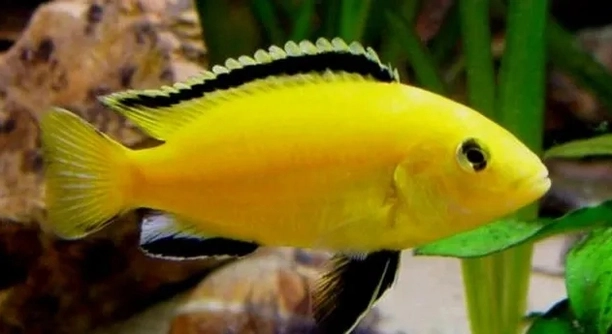
African cichlids are popular aquarium fish loved for their bright colors and lively behavior. Watching them stay healthy is important for any fish keeper. Recognizing early signs of illness can help you care for them better.
Common signs of illness in African cichlids include changes in appetite, abnormal swimming, discoloration, clamped fins, rapid breathing, visible wounds, and lethargy. Identifying these symptoms early allows for timely intervention to improve fish health and survival.
Knowing these signs helps you protect your fish before problems get worse. This guide will explain what to look for to keep your cichlids healthy and thriving.
Changes in Appetite
When an African cichlid stops eating or shows less interest in food, it is often a sign something is wrong. Fish usually have consistent eating habits, so any sudden loss or change in appetite can mean stress or illness. Sometimes they might refuse their favorite foods or eat only small amounts. This can happen due to internal infections, parasites, or water quality issues. If you notice your cichlid is not eating well, check the tank conditions immediately. Poor water parameters like high ammonia or nitrites can affect their health and appetite. Also, consider if there have been recent changes in their environment, such as new tank mates or decorations, which might stress them out. A healthy diet is important for their immune system and overall well-being. Keeping an eye on how much and how often your fish eats helps you catch problems early and give the right treatment.
Loss of appetite is often the first noticeable sign of illness in African cichlids. Immediate attention can prevent further health decline.
Changes in appetite should prompt a quick review of tank conditions. Testing water quality is a good first step, followed by observing behavior and appearance. Offering a variety of foods can encourage eating but persistent refusal needs action. Consult aquatic health resources or a vet for guidance.
Abnormal Swimming Behavior
Unusual swimming patterns often indicate health problems in cichlids. Fish might swim erratically, dart around quickly, or float near the surface or bottom without control. Sometimes they tilt to one side or spin in circles, which can signal swim bladder issues or neurological problems. These behaviors can be caused by bacterial infections, parasites, or poor water quality. Stress from overcrowding or aggressive tank mates may also affect swimming. Observing these movements closely gives clues about the type of illness. Correcting water parameters and reducing stressors can improve the fish’s condition. If symptoms persist, medical treatment or quarantine might be necessary to prevent spreading disease to other fish. Keeping the tank clean and stable reduces the chances of these swimming problems.
Erratic or unusual swimming is a clear sign that your cichlid needs care and attention.
Swimming problems are often caused by infections or environmental stress. Swim bladder disorders can affect buoyancy and control. Parasites may irritate fish and disrupt movement. Aggression and overcrowding also play a role in causing stress-related swimming issues. Monitoring the tank and addressing these factors quickly is essential. Treating water quality and isolating sick fish helps stop illness from spreading. Providing a calm environment allows the fish to recover more easily. Understanding these signs supports better fish health management in your aquarium.
Discoloration and Spots
Discoloration or unusual spots on African cichlids often indicate illness or stress. These changes can be pale patches, darkening, or white spots appearing suddenly.
Color changes may result from infections like ich or fungal diseases, or poor water quality. Stress from sudden temperature changes or aggressive tank mates can also cause fading or blotches. Parasites sometimes leave visible marks on the skin or fins. Early detection is important because untreated infections worsen quickly. Keep the tank clean and stable to help your fish maintain their bright colors. Treating the water and using medication when necessary will reduce these symptoms and protect your cichlids.
It’s essential to regularly check your fish for any skin changes. Prompt action can prevent serious illness and help your cichlids recover faster.
Clamped Fins
Clamped fins mean a fish holds its fins tightly against its body instead of spreading them out naturally. This behavior often signals discomfort or illness.
Clamped fins may be caused by bacterial or parasitic infections, poor water conditions, or stress. It can also appear when a fish is cold or weak. Keeping water temperature and cleanliness consistent helps prevent fin clamping. Fish with clamped fins often show other signs like lethargy or loss of appetite. Monitoring your cichlids daily will help you notice this early. Treatment may require water changes, medication, or isolating the affected fish to stop disease spread.
Recognizing clamped fins early supports quicker treatment and improves recovery chances for your African cichlids.
Rapid Breathing
Rapid breathing in African cichlids is a common sign of stress or illness. It often means the fish is struggling to get enough oxygen.
This can be caused by poor water quality, low oxygen levels, or gill infections. Improving aeration and checking water parameters usually helps calm their breathing.
Visible Wounds
Visible wounds on cichlids can come from fights, injuries, or infections. Open sores or torn fins need prompt attention to prevent worsening.
Clean the tank and consider treating with antibacterial medication. Isolating injured fish can help them heal safely without further stress.
Lethargy
Lethargy shows when a fish is less active than normal and hides more often. It is a common symptom of illness or stress.
Summary of Signs
Recognizing these signs early helps protect your African cichlids. Quick response improves their chances of recovery and long-term health.
FAQ
What causes African cichlids to lose their appetite?
Loss of appetite in African cichlids can be caused by many factors such as poor water quality, infections, or stress. Changes in temperature, overcrowding, or aggressive tank mates can also affect their eating habits. It is important to test water regularly and watch for other signs like lethargy or discoloration.
How can I improve my cichlid’s swimming behavior?
Abnormal swimming may indicate swim bladder issues, infections, or parasites. Improving water conditions and reducing stress from tank mates helps a lot. Sometimes isolating the fish or using medication is needed. Regular cleaning and stable water parameters support healthy swimming patterns.
Why do cichlids develop discoloration or spots?
Discoloration or spots often point to infections like ich, fungal diseases, or parasites. Stress and poor water quality can also cause changes in skin color. Early treatment with proper medication and maintaining clean water prevents worsening of these symptoms.
What should I do if my cichlid has clamped fins?
Clamped fins usually mean the fish is stressed or sick. Check water temperature and quality first. Treat infections if needed and reduce tank stress by avoiding overcrowding. If the problem continues, consider isolating the fish for closer care.
Why is my cichlid breathing rapidly?
Rapid breathing is often due to low oxygen levels or gill infections. Ensure the tank has good aeration and clean water. Sometimes increasing water movement or adding an air stone helps. If infection is suspected, medication might be necessary.
How can I treat visible wounds on my cichlid?
Clean water and antibacterial treatments are essential. Isolate wounded fish to prevent spreading infections and allow healing. Avoid harsh chemicals and maintain good tank hygiene to support recovery.
What does lethargy mean in African cichlids?
Lethargy shows that the fish is weak or stressed. It could be due to illness, poor water quality, or injury. Regular observation and water testing are key to identifying the cause. Improving tank conditions often helps fish regain energy.
How often should I test my tank water?
Testing water weekly is best to catch problems early. Key factors include ammonia, nitrite, nitrate, pH, and temperature. Keeping these stable supports fish health and prevents many common illnesses.
Can diet affect my cichlid’s health?
Yes, a balanced diet strengthens their immune system. Poor nutrition can make fish more prone to disease. Feeding high-quality pellets, occasional live or frozen foods, and avoiding overfeeding will keep cichlids healthy.
When should I quarantine new fish?
Always quarantine new fish for at least two weeks before adding them to the main tank. This prevents spreading diseases and allows you to monitor their health closely. Quarantine tanks should have similar water conditions to reduce stress.
Final Thoughts
Taking care of African cichlids means paying close attention to their health and behavior. Watching for common signs of illness like changes in appetite, swimming problems, or discoloration helps catch issues early. Early detection is important because it gives you a better chance to treat your fish successfully and prevent serious problems. Keeping their environment clean and stable supports their well-being and reduces the chance of disease. Regular water testing, proper feeding, and avoiding overcrowding are key parts of good care.
It’s normal to feel concerned when a fish shows signs of illness. Remember that many health problems in cichlids are caused by factors you can control, like water quality or stress from tank mates. When you see symptoms like clamped fins or rapid breathing, act quickly by checking the water and isolating the sick fish if needed. Treating infections early with proper medication can stop diseases from spreading to other fish. Being patient and consistent with care helps your cichlids recover and stay healthy.
Caring for African cichlids can be very rewarding, especially when you see them active and colorful. Learning to recognize common signs of illness allows you to be a responsible fish keeper. When problems do arise, don’t hesitate to seek advice from trusted sources or professionals. With good care and attention, your cichlids can live long, healthy lives and bring enjoyment to your aquarium for years to come.

Hello,
If you enjoy the content that we create, please consider saying a "Thank You!" by leaving a tip.
Every little bit helps us continue crafting quality advice that supports the health, happiness, and well-being of pets around the world, for pets of all shapes, sizes, and species.
We really appreciate the kindness and support that you show us!