
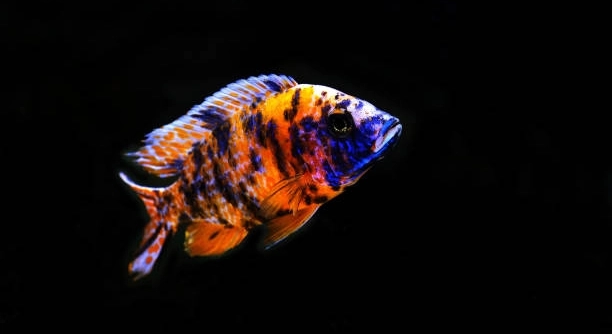
Setting up a cichlid tank can be rewarding, but mistakes often happen. Many fish keepers face challenges that affect their tank’s health and the fish’s well-being. Knowing common errors can improve the overall experience.
The most frequent cichlid tank setup errors include improper tank size, wrong water parameters, inadequate filtration, poor substrate choice, overcrowding, insufficient hiding spots, and neglecting regular maintenance. These factors significantly impact fish health and behavior.
Learning about these issues will help you create a better environment for your cichlids. Avoiding these errors ensures a healthier, more balanced tank for your fish to thrive.
Improper Tank Size
Choosing the right tank size is one of the first steps when setting up a cichlid aquarium. Many people underestimate how much space these fish need. Cichlids vary in size and activity, but most require ample room to swim and establish territories. A small tank can cause stress and aggression, leading to poor health and even death. Larger tanks provide stable water conditions, which are essential for keeping cichlids happy and healthy. When setting up your tank, consider the adult size of your cichlids and how many you want to keep. Remember that overcrowding worsens water quality and increases stress levels. A tank that is too small will limit your fish’s natural behaviors and cause frequent problems.
Having enough space helps cichlids develop natural behaviors and reduces fights.
Giving your fish proper space means better water quality and less stress. It also makes maintenance easier. Investing in a tank that suits your fish’s needs is key to a thriving aquarium.
Wrong Water Parameters
Water parameters such as pH, temperature, and hardness must be kept within specific ranges for cichlids to thrive. Many tank problems arise when these are ignored or not tested regularly. Cichlids come from different habitats, so their ideal conditions can vary. For example, African cichlids usually prefer harder, alkaline water, while South American species favor softer, more acidic water. Maintaining stable water parameters prevents stress, illness, and poor coloration. Sudden changes can shock your fish and weaken their immune systems.
Regular testing and adjustments are necessary to keep parameters steady. Using a good water test kit helps monitor pH, ammonia, nitrite, and nitrate levels. Adjusting temperature with a reliable heater and changing water carefully helps avoid fluctuations. Consistency is key to keeping cichlids healthy and vibrant. This attention to water quality will reduce disease and improve your tank’s overall environment. Establishing a routine for checking and correcting parameters makes long-term care easier and more effective.
Inadequate Filtration
Filtration is essential for keeping your cichlid tank clean and healthy. Poor filtration causes water quality to decline quickly, affecting fish health.
A good filter removes waste, uneaten food, and harmful chemicals like ammonia and nitrites. Cichlids produce a lot of waste, so your filter must handle a high bioload. Choosing a filter rated for a tank larger than yours helps maintain cleaner water. Mechanical filtration traps debris, while biological filtration breaks down harmful toxins using beneficial bacteria. Without proper filtration, your tank can develop cloudy water, algae growth, and unhealthy conditions that stress your fish.
Regular maintenance of your filter keeps it working well. Clean or replace filter media as needed, but avoid over-cleaning to preserve beneficial bacteria. Running the filter continuously ensures stable water conditions. Investing in a reliable filtration system is one of the best ways to keep your cichlids healthy over time.
Poor Substrate Choice
Choosing the right substrate affects both the look of your tank and the health of your cichlids. Some substrates may alter water chemistry or harm delicate fish.
Cichlids often dig and sift through the substrate, so it needs to be safe and suitable for their behavior. For African cichlids, sand or crushed coral helps maintain alkaline pH, while soft substrates suit South American species better. Sharp gravel can injure fish or damage their delicate mouths. The substrate also influences how plants grow and how waste settles. Selecting the correct substrate supports a natural environment and reduces stress for your fish.
Maintaining substrate cleanliness is important, too. Regular vacuuming during water changes prevents buildup of harmful waste. A healthy substrate promotes beneficial bacteria that aid biological filtration, contributing to a balanced and thriving tank ecosystem.
Overcrowding
Too many cichlids in one tank leads to stress and aggression. Overcrowding makes it harder to maintain good water quality and can cause illness.
Each fish needs enough space to establish territory and swim freely. Overcrowded tanks often result in constant fighting and poor health, which can shorten your cichlids’ lifespan.
Insufficient Hiding Spots
Cichlids need hiding places to feel secure and reduce stress. Rocks, caves, and plants provide shelter and break lines of sight to lower aggression.
Providing enough hiding spots mimics their natural environment and helps maintain peace in the tank.
Neglecting Regular Maintenance
Skipping regular tank cleaning and water changes causes waste buildup and poor water quality. This harms fish health and encourages algae growth. Regular care keeps the environment stable and safe for your cichlids.
How often should I clean my cichlid tank?
Regular cleaning is important to keep your cichlid tank healthy. Perform partial water changes of about 20-30% every one to two weeks. This helps remove toxins and refresh the water without disturbing beneficial bacteria. Clean the substrate with a gravel vacuum during water changes to remove leftover food and waste. Avoid full water changes as they can shock the fish and disrupt the tank’s balance. Also, rinse your filter media in tank water (not tap water) to maintain good bacteria while cleaning. Keeping this schedule consistent supports stable water conditions and a healthier environment for your cichlids.
What tank size is best for beginner cichlids?
A minimum tank size of 30 gallons is usually recommended for beginner cichlids. This size provides enough space for one or two fish to swim and establish territory without overcrowding. Larger tanks are even better, as they offer more stable water conditions and room for multiple cichlids. Keep in mind that some species grow larger or are more aggressive, requiring bigger tanks. Choosing an appropriate tank size from the start helps reduce stress and aggression while making maintenance easier.
Can I keep different species of cichlids together?
Mixing cichlid species can be tricky because they vary in temperament and habitat needs. Some species are very aggressive and territorial, which can cause fights. Others have different water parameter requirements that make cohabitation difficult. If you want to keep multiple species, research their compatibility carefully and choose fish with similar size, behavior, and water needs. Providing plenty of hiding spots and space can also reduce aggression. Always watch for signs of stress or injury and be ready to separate fish if problems arise.
How do I control aggression among cichlids?
Aggression is common in cichlids, but you can reduce it by providing enough space and hiding spots. Overcrowding makes fights worse, so keep the population reasonable for your tank size. Using rocks, caves, and plants helps break up sightlines and create territories, which lowers tension. Feeding fish regularly and on schedule can prevent competition for food. If aggression continues, separating aggressive individuals into another tank may be necessary. Understanding the natural behavior of your cichlids helps you manage their social dynamics better.
What is the ideal water temperature for cichlids?
Most cichlids thrive in temperatures between 74°F and 82°F (23°C to 28°C). Maintaining stable temperatures within this range is important for their metabolism and immune system. Sudden changes can stress fish and lead to illness. Use a reliable aquarium heater and a thermometer to monitor and control the temperature. Adjust the temperature based on the species you keep, since some cichlids prefer slightly warmer or cooler water. Keeping temperature consistent supports overall health and vibrant coloration.
How important is the pH level in a cichlid tank?
pH plays a key role in cichlid health because different species require different ranges. African cichlids prefer alkaline water with a pH of 7.8 to 8.6, while South American cichlids do better in slightly acidic to neutral water, around 6.5 to 7.5. Incorrect pH levels can cause stress, reduce appetite, and weaken immune response. Test your water regularly and adjust pH carefully using commercial products or natural methods like adding crushed coral or peat moss. Maintaining proper pH supports fish comfort and breeding success.
What kind of diet should cichlids have?
Cichlids need a varied diet to stay healthy. Most do well with high-quality pellets or flakes designed for cichlids, supplemented by frozen or live foods like brine shrimp, bloodworms, or daphnia. Some species are herbivores and require plant-based foods, while others are omnivores or carnivores. Avoid overfeeding to prevent water pollution and obesity. Feed small amounts two to three times daily, only what they can eat within a few minutes. A balanced diet helps maintain vibrant colors, strong immune systems, and active behavior.
How can I prevent diseases in my cichlid tank?
Preventing diseases starts with maintaining clean water and stable tank conditions. Regular water changes, proper filtration, and avoiding overcrowding reduce stress and exposure to pathogens. Quarantine new fish for at least two weeks before adding them to your main tank to avoid introducing illnesses. Observe your fish daily for signs of disease such as spots, swelling, or unusual behavior. Treat problems early with appropriate medication and remove sick fish if needed. Keeping your tank clean and stable is the best defense against disease.
Can cichlids breed in a home aquarium?
Yes, many cichlids breed successfully in home tanks if conditions are right. They usually need clean water, proper temperature, and hiding spots like caves or flat rocks. Some species are mouthbrooders, while others lay eggs on surfaces. Providing a balanced diet and low stress encourages breeding. Be prepared to care for the fry by feeding them suitable foods and protecting them from adult fish. Breeding cichlids can be rewarding but requires extra attention to water quality and tank setup.
What is the best way to introduce new cichlids to an established tank?
Introduce new cichlids slowly to reduce stress and aggression. Float the sealed bag in the tank for 15-20 minutes to equalize temperature. Gradually mix small amounts of tank water into the bag over 30-60 minutes before releasing the fish. Rearrange decorations to disrupt existing territories, which helps reduce aggression toward newcomers. Monitor the fish closely for signs of bullying or illness. Quarantining new fish before introduction lowers the risk of spreading disease. Proper introduction helps maintain harmony and health in your tank.
Setting up a cichlid tank can be a rewarding experience, but it requires attention to detail and careful planning. Avoiding common setup mistakes can make a big difference in the health and happiness of your fish. Taking the time to choose the right tank size, maintain proper water parameters, and provide good filtration will create a stable environment where cichlids can thrive. Remember, these fish need space, clean water, and a habitat that suits their natural behaviors. Overcrowding or ignoring their needs often leads to stress and health problems.
Providing hiding spots and a suitable substrate helps reduce aggression and allows your cichlids to feel secure. Each species has unique requirements, so it is important to learn about the specific needs of the fish you keep. Regular maintenance, such as water changes and filter cleaning, supports water quality and prevents the buildup of harmful substances. These small efforts add up and help you avoid many common issues in cichlid care. Keeping the tank clean and stable shows respect for the animals and improves their overall wellbeing.
In the end, patience and observation are key to successful cichlid keeping. Watching your fish regularly helps you notice any changes in behavior or health early on. Being proactive with tank care and making adjustments as needed will lead to a more enjoyable experience for both you and your fish. Setting up a cichlid tank properly may take time, but it is worth the effort. With the right knowledge and care, your cichlids can live healthy, active lives, brightening your home with their colors and personalities.

Hello,
If you enjoy the content that we create, please consider saying a "Thank You!" by leaving a tip.
Every little bit helps us continue crafting quality advice that supports the health, happiness, and well-being of pets around the world, for pets of all shapes, sizes, and species.
We really appreciate the kindness and support that you show us!