
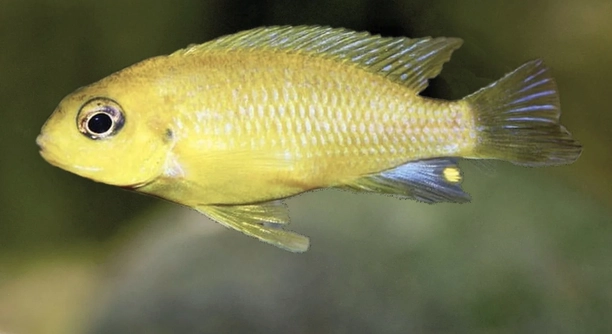
African cichlids are popular aquarium fish known for their vibrant colors and active behavior. Sometimes, they can experience bullying from tank mates, which may affect their well-being. Recognizing signs of bullying is important for maintaining a healthy environment.
When an African cichlid is bullied, the best approach is to separate the aggressive fish and provide plenty of hiding spaces. Ensuring proper tank size, balanced group dynamics, and monitoring behavior can reduce aggression and stress among fish.
Understanding how to manage aggression will help protect your cichlid’s health and promote a peaceful aquarium. This article explains effective steps to address bullying in your tank.
Recognizing Signs of Bullying in African Cichlids
Bullying among African cichlids often shows through visible signs like torn fins, faded colors, and constant hiding. Aggressive fish chase or nip at others repeatedly, causing stress and injury. A bullied cichlid may become less active, eat less, or isolate itself from the group. Tank size plays a role; overcrowding increases aggression. Territorial disputes are common, especially during breeding. Understanding the behavior helps in identifying when intervention is needed. Watching your fish regularly and noting changes in behavior can prevent serious harm. Early detection is key to protecting the health of your cichlids and maintaining balance in the tank. Sometimes aggression is temporary, but persistent bullying requires action. Stress from bullying weakens fish immune systems, making them vulnerable to disease. Providing hiding places with rocks or plants helps bullied fish find refuge. Recognizing these signs early ensures better care and a peaceful aquarium environment.
Keeping an eye on behavior helps prevent serious harm and keeps fish healthy.
Providing shelter and monitoring tank conditions reduce stress and support bullied fish recovery.
Steps to Stop Bullying in Your Tank
Separating aggressive fish can quickly reduce bullying in smaller tanks.
Improving tank conditions lowers aggression levels and promotes harmony among cichlids. When bullying occurs, first consider the tank size. African cichlids need ample space to establish territories without constant conflict. Overcrowding causes stress and increases fights. Next, rearranging the tank layout with rocks, caves, and plants creates visual barriers that help reduce direct confrontations. These hiding spots give bullied fish places to retreat and feel safe. Adding more fish to the tank can sometimes disperse aggression by diluting focus on one target, but this must be balanced carefully to avoid overcrowding. Monitoring fish behavior after adjustments is essential. If problems persist, separating the aggressive fish into a different tank may be necessary. Regular water changes and good filtration keep fish healthy, reducing stress-induced aggression. Consistent observation and adjustments create a stable environment where all cichlids can thrive peacefully.
A well-planned tank setup and careful monitoring are crucial for managing aggression effectively.
Providing Hiding Spots and Territory
Hiding spots reduce stress and prevent bullying by giving fish places to escape. Rocks, caves, and plants help create separate areas in the tank. These allow bullied fish to avoid constant chasing and regain confidence.
Adding caves and rock formations divides the tank visually, breaking up territories and lessening aggression. Live or artificial plants offer cover and reduce open swimming space, making fish feel safer. Providing multiple hiding places ensures all fish can find refuge when needed, helping balance social interactions. Well-placed shelters reduce stress and improve overall fish health. Watching how fish use these spots helps adjust the tank layout if necessary.
Hiding spots also encourage natural behavior and decrease boredom, which can fuel aggression. Changing the arrangement occasionally keeps the environment stimulating. This approach is a simple yet effective way to promote peace in your cichlid community.
Adjusting Tank Conditions for Peace
Stable water conditions reduce stress and aggression among cichlids. Regular water changes and consistent temperature keep fish comfortable and healthy.
Balanced water parameters prevent stress, which can trigger bullying. Testing pH, ammonia, nitrite, and nitrate levels frequently ensures a safe environment. Proper filtration removes waste and toxins, improving water quality. Temperature should stay within recommended ranges for African cichlids, usually between 75°F and 82°F. Sudden changes in water chemistry or temperature can cause stress, making fish more aggressive. Keeping the tank clean and stable promotes calm behavior. Stress-free fish are less likely to bully others, leading to a more harmonious tank overall. Consistency in tank maintenance is key to avoiding aggression caused by environmental factors.
Monitoring Fish Behavior Closely
Watching your cichlids daily helps spot bullying early. Notice changes in activity, coloration, or appetite. Prompt action can prevent injuries and stress.
Record behaviors to track patterns. This helps identify which fish are aggressive or victims. Adjust tank setup or separate fish as needed to keep peace.
Selecting Compatible Tank Mates
Choosing cichlids with similar temperaments reduces conflict. Avoid mixing overly aggressive species with peaceful ones. Compatibility supports a balanced social group and lowers bullying risks.
Using Distraction Techniques
Introducing objects or rearranging tank decorations can redirect aggression. New items provide mental stimulation and reduce focus on one fish.
Feeding Practices to Reduce Aggression
Feeding multiple times a day helps reduce competition. Providing enough food limits aggressive behavior linked to hunger.
FAQ
What causes bullying among African cichlids?
Bullying often comes from territorial behavior and competition for resources. African cichlids are naturally aggressive when defending space or during breeding. Overcrowding and lack of hiding spots also increase aggression. Stress from poor water conditions can make fish more likely to bully others. Recognizing these causes helps manage the tank better.
How can I tell if my cichlid is being bullied?
Look for torn fins, faded colors, and constant hiding. Bullied fish may eat less or appear lethargic. Aggressive chasing or nipping between fish is a clear sign. Stress symptoms like rapid breathing or clamped fins also indicate bullying. Early detection prevents injury and disease.
Is it necessary to separate aggressive fish?
Separating aggressive individuals is often the most effective way to stop bullying. If the tank is small or aggression is severe, isolation protects weaker fish from harm. Temporary separation can calm tensions before reintroducing fish with better tank setup or after rearranging decorations.
Can tank size affect bullying?
Yes, smaller tanks increase aggression due to limited space and overlapping territories. African cichlids need enough room to establish personal zones. Overcrowding stresses fish and leads to more frequent fights. A larger tank with proper hiding places reduces conflicts and improves social balance.
What tank setup helps reduce bullying?
A tank with rocks, caves, and plants provides hiding places and breaks up territories. Visual barriers help fish avoid constant contact and reduce aggressive encounters. Multiple shelters ensure bullied fish can escape easily. Rearranging decorations occasionally keeps fish from establishing fixed, aggressive territories.
How often should I feed to minimize bullying?
Feeding several smaller meals daily prevents competition over food. When fish are well-fed, they are less likely to chase others aggressively. Make sure all fish get access to food by spreading it across the tank. Balanced nutrition supports their health and lowers stress-related aggression.
Can adding more fish reduce bullying?
Adding more fish can sometimes disperse aggression by making it harder to focus on one target. However, this only works if the tank is large enough. Overcrowding will increase stress and fights. New additions should be introduced carefully and monitored closely.
What water conditions reduce aggression?
Stable water with consistent temperature and balanced pH reduces stress and aggression. Ammonia and nitrite levels should be zero, and nitrates kept low through regular water changes. Proper filtration and clean water keep fish healthy, which lowers bullying caused by environmental stress.
Are some cichlid species more aggressive than others?
Yes, some species are naturally more territorial and aggressive. Knowing the temperament of your cichlids before mixing them helps prevent problems. Avoid combining very aggressive species with peaceful ones to keep a balanced community.
What should I do if bullying causes injury?
Isolate injured fish to prevent further harm and infection. Treat wounds with appropriate aquarium medications. Keep water clean to support healing. Watch for signs of illness and provide extra care until the fish recovers.
How long does it take for bullying behavior to stop after changes?
Behavior can improve within days if aggression is addressed quickly. Adding hiding places, separating fish, or improving tank conditions helps reduce bullying. However, some fish take longer to settle depending on their personality and tank dynamics.
Is it normal for African cichlids to show some aggression?
Yes, some level of aggression is natural in African cichlids. It becomes a problem only when it leads to injury or stress. Managing the environment and monitoring behavior keeps aggression at a healthy level.
Can stress from bullying lead to illness?
Stress weakens the immune system, making fish prone to disease. Bullied cichlids may develop fin rot, infections, or swim bladder problems. Preventing bullying reduces stress and supports overall health.
How can I help a bullied cichlid regain confidence?
Providing hiding spots and reducing aggression around the fish helps it feel safe. Keeping the tank stable and stress-free encourages natural behavior. Avoid sudden changes and aggressive tank mates while the fish recovers.
Should I consult a specialist for persistent bullying?
If bullying continues despite your efforts, consulting an aquarium expert or veterinarian is wise. They can recommend specific treatments or tank modifications. Sometimes professional advice helps resolve complex aggression issues.
Can rearranging the tank help stop bullying?
Yes, changing the tank layout breaks up established territories and interrupts aggressive patterns. It forces fish to re-establish zones, which can reduce dominance of aggressive individuals. Rearranging decorations occasionally keeps the environment fresh and less predictable.
Final Thoughts
Bullying among African cichlids is a common challenge for many aquarium keepers. It often arises from natural behaviors like defending territory or competing for resources. While some aggression is normal, persistent bullying can harm fish health and disrupt the tank’s balance. Recognizing the signs early is important to protect all your cichlids and maintain a peaceful environment. Careful observation and timely action help prevent injuries and stress that could weaken your fish over time. Creating a healthy space where fish feel safe supports their well-being and longevity.
Managing bullying requires attention to several factors. Tank size, layout, and water quality all play important roles in controlling aggression. Providing enough space and plenty of hiding spots allows fish to establish territories without constant confrontation. Regular water changes and stable conditions reduce stress, which often triggers aggressive behavior. Feeding multiple times a day with balanced nutrition also lowers competition among fish. Adjusting these elements often calms aggression and improves social harmony. When necessary, separating aggressive individuals prevents harm and gives weaker fish a chance to recover.
Patience is key when addressing bullying in an African cichlid tank. Changes to tank conditions or social groups may take time to show results. Monitoring behavior and being willing to make adjustments ensures the best care for your fish. Remember that aggression is part of their nature but can be managed effectively with proper care. Maintaining a balanced and stress-free environment encourages healthy interactions and reduces bullying. By staying attentive and proactive, you help create a peaceful and thriving aquarium where your cichlids can flourish.

Hello,
If you enjoy the content that we create, please consider saying a "Thank You!" by leaving a tip.
Every little bit helps us continue crafting quality advice that supports the health, happiness, and well-being of pets around the world, for pets of all shapes, sizes, and species.
We really appreciate the kindness and support that you show us!