
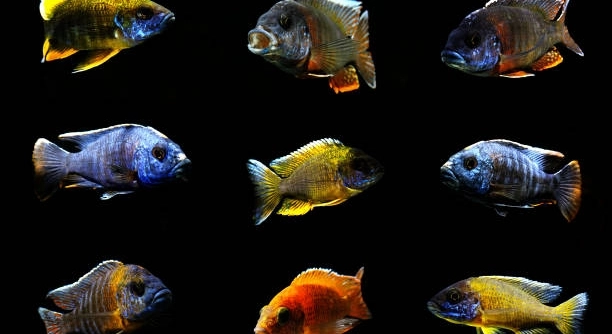
Many African cichlid owners notice when their fish suddenly avoid food. This behavior can be worrying, especially when the fish usually eat eagerly. Understanding why your cichlid refuses food is important for its health and well-being.
African cichlids may avoid food due to stress, illness, poor water quality, or inappropriate diet. Changes in environment or tank mates can also affect feeding behavior. Identifying the cause is essential to restore normal eating habits.
Recognizing these factors can help you support your fish’s recovery and maintain a healthy aquarium environment. This article will explain common reasons behind food avoidance.
Common Causes of Food Avoidance in African Cichlids
African cichlids can stop eating for several reasons, often related to their environment or health. Poor water quality is one of the most frequent causes. High ammonia or nitrite levels, or incorrect pH, can stress the fish and reduce their appetite. Stress from aggressive tank mates or overcrowding also affects eating habits. Illnesses, such as parasites or bacterial infections, may cause lethargy and loss of appetite. Another reason is an improper diet that does not meet their nutritional needs or is too repetitive. Sometimes, sudden changes like moving to a new tank or adjusting temperature can disrupt feeding. Observing your fish closely for other signs of distress will help you identify the specific issue. Prompt action to correct these problems improves the chances of your cichlid returning to normal eating patterns.
Water quality and tank conditions are key to maintaining your cichlid’s appetite and overall health.
Monitoring parameters regularly prevents issues before they escalate and supports your fish’s well-being.
How to Improve Feeding in African Cichlids
Adjusting your cichlid’s environment is essential to encourage feeding. First, test your water regularly to ensure parameters like ammonia, nitrite, nitrate, and pH stay within safe ranges. Clean the tank and perform partial water changes if needed. Make sure tank mates are compatible and reduce crowding to lower stress. Feeding a varied diet with high-quality pellets, flakes, and occasional live or frozen foods can stimulate interest in eating. Avoid overfeeding, which can cause water pollution and digestive problems. Observe your fish during feeding times to check for any unusual behavior or illness signs. If illness is suspected, consult an aquatic veterinarian for proper diagnosis and treatment. Consistent care and a stable environment help your African cichlid regain its appetite and thrive.
Feeding improvements often require patience and careful observation to see lasting results.
Providing stable conditions and proper nutrition will promote healthier eating habits and better fish vitality.
Recognizing Signs of Illness in African Cichlids
Loss of appetite is often one of the first signs that your African cichlid is unwell. Other symptoms may include faded colors, clamped fins, unusual swimming patterns, or visible spots and sores on their body.
If you notice these signs, it is important to act quickly. Illnesses like ich, bacterial infections, or parasites require prompt treatment to prevent worsening. Observe your fish closely during feeding and daily activity. Early detection helps in applying the right medications or adjustments in care.
Maintaining good tank hygiene and stable water conditions reduces the risk of illness. Quarantining new fish before introducing them to your main tank can also prevent disease spread. Keeping stress low supports your fish’s immune system, aiding faster recovery.
Impact of Stress on Feeding Behavior
Stress greatly affects an African cichlid’s willingness to eat. Factors like aggressive tank mates, sudden changes in the environment, or overcrowding can cause anxiety in your fish. Stress may result in hiding, reduced activity, and loss of appetite.
Minimizing stress involves providing ample space, hiding spots, and compatible companions. Avoid sudden water parameter changes and maintain consistent feeding schedules. Using a calm approach during tank maintenance also helps. Stress weakens their immune response, making them more vulnerable to illness and poor feeding.
Creating a peaceful, stable environment encourages your cichlids to feel secure. When stress is managed effectively, their natural appetite and behavior return. This is vital for their long-term health and vibrant appearance.
Importance of Water Quality
Clean water is crucial for African cichlids to stay healthy and eat well. Poor water conditions can cause stress and illness, leading to food avoidance.
Regular water testing and timely changes prevent toxic buildup. Stable water parameters create a safe environment for your fish to thrive.
Diet Variety for Better Appetite
Offering a varied diet keeps your cichlid interested in food and meets their nutritional needs. Use high-quality pellets, flakes, and occasional live or frozen foods.
Changing the diet occasionally helps prevent boredom and supports overall health. Avoid overfeeding to keep the water clean and your fish active.
Tank Environment Adjustments
Proper tank setup can reduce stress and encourage feeding. Provide hiding spots and enough space for each fish.
Avoid overcrowding and aggressive species that may intimidate your cichlid. A comfortable environment promotes better eating habits.
When to Consult a Professional
If your cichlid continues avoiding food despite changes, it may need expert care. A vet can diagnose illnesses and recommend treatments.
Early professional intervention increases the chances of recovery and prevents long-term problems.
FAQ
Why is my African cichlid suddenly not eating?
A sudden loss of appetite can be caused by stress, illness, or changes in the tank environment. Water quality issues, aggressive tank mates, or a recent move to a new aquarium may also cause this behavior. Identifying the root cause early helps to correct the problem and restore feeding.
How can I tell if my cichlid is sick?
Look for signs like faded colors, clamped fins, lethargy, unusual swimming, or spots on the body. Loss of appetite combined with these symptoms usually indicates illness. Prompt attention and treatment are necessary to prevent worsening.
What should I do if my fish refuses to eat?
First, check water parameters and ensure the tank is clean. Remove aggressive fish if needed and provide hiding spots. Try offering different foods to stimulate appetite. If no improvement occurs, consider consulting an aquatic vet.
Can poor water quality cause food avoidance?
Yes, poor water quality stresses fish and can suppress their appetite. High levels of ammonia, nitrites, or nitrates harm fish health. Regular testing and water changes are essential to maintain a healthy environment and encourage feeding.
How often should I feed my African cichlid?
Feeding once or twice daily with appropriate portions is ideal. Overfeeding can lead to water pollution and health problems, while underfeeding may cause nutritional deficiencies. Monitor how much your fish eats and adjust accordingly.
Is diet variety important for African cichlids?
Absolutely. Offering a mix of pellets, flakes, and live or frozen foods keeps your cichlid interested and provides balanced nutrition. A varied diet supports immune function and vibrant colors, reducing the chances of feeding refusal.
Can tank mates affect my cichlid’s feeding?
Yes, aggressive or territorial tank mates can stress your cichlid, leading to hiding and avoiding food. Ensure compatible companions and enough space to reduce stress. Sometimes separating aggressive fish helps restore normal feeding.
How does stress affect my African cichlid’s appetite?
Stress weakens the immune system and reduces interest in food. Causes include overcrowding, poor water quality, loud noises, or sudden environmental changes. Reducing stress by creating a stable environment helps improve appetite and overall health.
What are signs that my cichlid’s environment needs improvement?
If your fish hides often, shows signs of stress, or stops eating, the environment may be unsuitable. Test water quality, check for aggressive tank mates, and ensure the tank is clean and spacious. Making adjustments promotes better well-being.
When should I seek professional help?
If your cichlid’s appetite does not return after fixing water and environment issues, or if it shows illness signs, consult an aquatic veterinarian. Early diagnosis and treatment can save your fish and prevent disease spread in the tank.
African cichlids are fascinating fish that bring life and color to any aquarium. When they avoid food, it can be a clear sign that something in their environment or health needs attention. Understanding the common reasons behind food avoidance helps in addressing the problem quickly and effectively. Whether it is stress, illness, water quality, or diet, each factor plays a role in your fish’s behavior. By paying close attention to your cichlid’s habits and surroundings, you can provide better care and prevent future issues. This awareness supports your fish’s overall health and happiness.
Maintaining a stable and clean tank environment is key to keeping your African cichlids healthy and eager to eat. Regular water testing and changes help avoid harmful toxins and keep water parameters balanced. It is also important to offer a varied diet that meets their nutritional needs and keeps them interested in food. Avoid overcrowding and aggressive tank mates that may cause stress and fear. Stress reduces appetite and weakens the immune system, making fish more vulnerable to illness. Small changes in tank setup, feeding habits, and care routine can greatly improve your cichlid’s well-being and restore their appetite.
If food avoidance continues despite efforts to improve the environment and diet, illness may be the cause. In such cases, it is best to consult an aquatic veterinarian to get a proper diagnosis and treatment. Early intervention increases the chance of recovery and prevents disease from spreading to other fish. Observing your fish regularly and responding promptly to changes in behavior helps you catch problems early. With patience and care, your African cichlid can regain a healthy appetite and continue to thrive in your aquarium for years to come.

Hello,
If you enjoy the content that we create, please consider saying a "Thank You!" by leaving a tip.
Every little bit helps us continue crafting quality advice that supports the health, happiness, and well-being of pets around the world, for pets of all shapes, sizes, and species.
We really appreciate the kindness and support that you show us!