
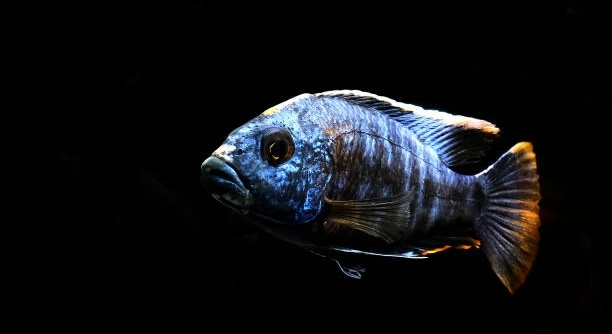
Raising cichlid fry is a rewarding experience for any aquarium hobbyist. Watching these tiny fish grow strong and healthy brings great satisfaction. It is important to recognize the signs that show your fry are developing well.
Healthy cichlid fry exhibit clear, bright eyes, active swimming patterns, steady growth, proper coloration, good appetite, clean fins, and responsive behavior. These indicators demonstrate optimal development and overall well-being during their early life stages.
Knowing these signs will help you ensure your fry thrive and avoid common problems early on. Understanding growth markers supports better care and a successful fish-raising journey.
Clear, Bright Eyes Indicate Good Health
One of the first signs your cichlid fry are growing well is their eyes. Healthy fry have clear, bright eyes without cloudiness or dullness. This clarity shows they are developing properly and not suffering from infections or poor water quality. If you notice cloudy or swollen eyes, it could mean something is wrong, such as a bacterial infection or water imbalance. Bright eyes also indicate the fry are getting enough nutrition, which is essential during their early growth stages. Observing their eyes regularly helps catch potential problems early, allowing you to adjust care quickly. Proper filtration and regular water changes maintain the clean environment fry need to stay healthy. Watching your fry closely for these subtle signs can improve their chances of reaching adulthood successfully. Their eyes offer a simple yet effective way to check overall health without disturbing them.
Healthy eyes are an early and clear signal that your fry are doing well in their environment.
Keeping water clean and feeding properly supports eye health and overall growth for your cichlid fry.
Active Swimming Shows Strong Development
Active swimming behavior is a clear sign that cichlid fry are growing well. When fry move around confidently and explore their tank, it means their muscles and nervous system are developing properly. Healthy fry are not lethargic or hiding for long periods. Instead, they respond quickly to food and interact with their surroundings. Lack of movement can indicate stress, poor water conditions, or illness, which can stunt growth or cause death. Providing enough space and hiding spots reduces stress and encourages natural swimming behavior. Also, balanced feeding helps fry gain energy for swimming and exploration. Observing swimming patterns daily gives valuable insights into their health and activity level. Regular monitoring helps catch changes early so you can improve tank conditions or adjust care. Active swimming is one of the most reliable ways to tell your fry are on the right track to growing into healthy adult fish.
Steady Growth Rate
A steady increase in size is a strong sign your cichlid fry are growing well. Consistent growth means they are eating enough and their environment supports development.
Monitoring fry size weekly helps track growth patterns. Rapid growth can indicate good health, but sudden stops or declines may signal issues like poor water quality or inadequate nutrition. It’s important to provide high-quality food suited for fry, such as finely crushed flakes or specialized fry food, to promote steady development. Maintaining stable water conditions with regular changes also supports growth. When fry grow at a steady pace, it reduces competition and stress, helping all individuals thrive together.
If growth becomes irregular, testing water parameters and adjusting feeding routines often resolves problems. Proper care encourages fry to develop strong bodies and resist common diseases during this vulnerable stage.
Proper Coloration
Bright and consistent coloration reflects healthy cichlid fry. Colors develop as fry mature, showing their species traits and well-being.
When fry display clear, vivid colors without patches or fading, it means they receive enough nutrients and live in a stable environment. Dull or uneven coloration can indicate stress, illness, or water quality problems. Regular water changes, a balanced diet, and avoiding overcrowding encourage proper coloration. As fry grow, their colors become more defined, signaling healthy progress. Proper lighting also helps colors develop fully, making it easier to spot any issues early. Keeping fry in a calm environment without sudden changes supports their natural color development. Observing their colors closely helps track health and growth during these critical weeks.
Good Appetite
Cichlid fry with a healthy appetite are usually growing well. Eating regularly means they get the nutrients needed for development.
If fry eagerly accept food and finish it quickly, this shows strong health. Poor appetite can be a sign of stress or illness that needs attention.
Clean Fins
Clean, intact fins are a sign of good health in cichlid fry. Torn or ragged fins often indicate poor water conditions or fin-nipping behavior.
Maintaining clean water and providing enough space reduces fin damage. Healthy fins allow fry to swim efficiently and grow properly.
Responsive Behavior
Healthy fry respond quickly to changes around them. They react to feeding times and movements near the tank.
Lack of response can indicate illness or stress. Monitoring responsiveness helps identify early problems to improve care.
How often should I feed my cichlid fry?
Feeding cichlid fry small amounts multiple times a day is best. Typically, feeding them 3 to 5 times daily supports steady growth without overfeeding. Fry have tiny stomachs and need frequent meals to get enough nutrients. Overfeeding can pollute the water, so give just what they can eat in a few minutes. Use finely crushed flakes, specialized fry food, or freshly hatched brine shrimp to provide balanced nutrition. Watching their appetite helps adjust feeding frequency if needed. Consistent feeding helps fry develop strong immune systems and grow properly during this fragile stage.
What water conditions are ideal for fry growth?
Maintaining clean, stable water is essential for healthy fry. Aim for a temperature between 75°F and 82°F (24°C to 28°C), depending on the species. pH levels should be steady, usually between 6.5 and 7.5 for most cichlids. Regular water changes of 20-30% per week prevent buildup of harmful chemicals like ammonia and nitrites. Avoid sudden changes in temperature or pH, as fry are sensitive to stress. Use a gentle filter to keep water clean without sucking up fry. Monitoring water quality daily ensures a safe environment for growth.
How long does it take for fry to show visible growth?
You should see noticeable growth within the first two weeks if conditions are right. Fry initially grow slowly but will gain size steadily with proper care. Growth speed varies by species, but healthy fry often double in size during the first month. Consistent feeding and good water quality speed up development. Slow or stalled growth might indicate a problem with diet, water, or tank setup. Keeping detailed records of fry size helps track progress and catch issues early. Early growth sets the foundation for strong adult fish.
Why are my fry losing color or looking dull?
Color loss or dullness usually signals stress, poor water quality, or nutritional deficiencies. Fry exposed to dirty water or sudden changes often lose their natural coloration. Overcrowding or bullying by other fish can also cause fading. Ensuring clean water and feeding a balanced diet rich in vitamins helps maintain bright colors. Avoid stressing fry with sudden light or temperature changes. If dullness persists, test water parameters and adjust tank conditions. Bright colors are signs of good health and should return with proper care.
What are common diseases that affect cichlid fry?
Fry are vulnerable to diseases like ich, fin rot, and bacterial infections. Ich appears as white spots on the body and fins and causes lethargy. Fin rot causes torn or ragged fins, usually from poor water or injury. Bacterial infections can cause swelling, cloudy eyes, or faded color. Quarantining new fish and maintaining clean water prevent disease outbreaks. If symptoms appear, treating with appropriate medications quickly is vital. Healthy fry with strong immune systems resist many common diseases better.
Can fry grow well in a community tank?
Community tanks can be risky for fry due to aggression or competition for food. Adult fish might eat or bully fry, stunting their growth or causing injury. If raising fry in a community setup, provide plenty of hiding places and monitor interactions closely. Using breeding traps or separate fry tanks improves survival and growth rates. A dedicated fry tank allows better control over water conditions and feeding. While possible, community tanks often require more care and attention to protect delicate fry.
How can I tell if fry are stressed?
Signs of stress include hiding constantly, reduced appetite, clamped fins, and erratic swimming. Stressed fry may also lose color or become lethargic. Stress often results from poor water quality, overcrowding, sudden changes, or aggressive tank mates. Reducing stress means maintaining clean, stable water, providing enough space, and feeding properly. Observe fry behavior daily to spot stress early and adjust conditions. Minimizing stress supports healthy growth and reduces disease risk.
When should I start feeding fry adult fish food?
Fry should be fed specially formulated fry food or finely crushed flakes for the first several weeks. Once they reach about half their adult size and can eat larger food pieces, you can gradually introduce adult fish food. Usually, this transition begins around 6 to 8 weeks of age. Continue providing a varied diet to ensure balanced nutrition. Avoid sudden diet changes to prevent digestive problems. Observing how well fry accept new food helps ensure a smooth transition without affecting growth.
Is tank size important for fry growth?
Yes, tank size affects growth by providing enough space and stable water conditions. Overcrowding causes stress, competition, and poor water quality, slowing development. A minimum of 20 gallons is recommended for a group of fry, depending on species and number. Larger tanks dilute waste and offer more swimming space, encouraging active behavior and healthy growth. Regular maintenance and water changes are still essential regardless of tank size. Providing proper space supports fry health and long-term survival.
Caring for cichlid fry takes attention and patience. Watching them grow from tiny hatchlings into healthy fish is a satisfying experience. Paying close attention to signs like clear eyes, steady growth, good appetite, and active swimming helps you know when they are doing well. These signs are important because fry are delicate and need the right conditions to thrive. Keeping their water clean and feeding them properly supports their development every day. Taking care of these basics makes a big difference in their survival and growth.
It is also important to watch for problems early. Changes in behavior, color, or appetite can mean the fry are stressed or sick. If you notice dull colors, slow growth, or damaged fins, checking water quality and adjusting feeding can help. Fry are sensitive to their environment, so avoiding overcrowding and maintaining stable water conditions are key. Giving them enough space and hiding spots reduces stress and helps them swim freely. When you provide a calm, clean tank and balanced food, fry have the best chance to grow strong and healthy.
Being patient with the process is necessary because fry grow slowly at first. Growth rates improve with time if conditions stay right. Regular observation and small adjustments help prevent problems before they get worse. Raising cichlid fry is a rewarding task that requires care and consistency. Watching your fry thrive from tiny fish to colorful adults shows your effort has paid off. Focusing on the simple signs of good health and taking steady care will lead to success in raising these beautiful fish.

Hello,
If you enjoy the content that we create, please consider saying a "Thank You!" by leaving a tip.
Every little bit helps us continue crafting quality advice that supports the health, happiness, and well-being of pets around the world, for pets of all shapes, sizes, and species.
We really appreciate the kindness and support that you show us!