
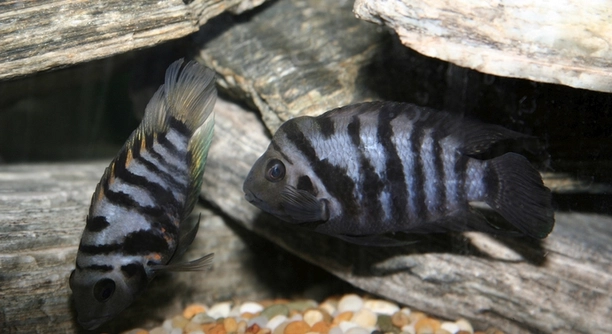
African cichlids have gained attention from many aquarium hobbyists around the world. Their bright colors and active behavior make them appealing for both beginners and experienced fish keepers. Many people enjoy adding these fish to their home tanks for their unique presence.
African cichlids are popular due to their vibrant colors, diverse species, and dynamic behaviors. Their adaptability to various tank conditions and ease of care contribute to their widespread appeal among hobbyists and researchers alike.
Learning about what makes these fish so special can help you decide if they are right for your aquarium collection. This article explores the key reasons behind their popularity and care requirements.
Vibrant Colors and Patterns
African cichlids are well known for their stunning colors and unique patterns. These fish display a wide range of bright hues such as blues, yellows, oranges, and reds. Their markings can include stripes, spots, and gradients that make each species distinct. This variety attracts many hobbyists who want to add vivid life to their aquariums. The colors are not only beautiful but also play a role in the fish’s behavior and social interactions. Some species change color depending on their mood or breeding status, which adds interest for observers. Maintaining these colors requires proper diet, water quality, and tank conditions. When cared for correctly, African cichlids can maintain their brightness for years. Their visual appeal is a major reason why they remain a favorite choice in the aquarium hobby.
Their striking colors make them stand out in any tank setup, instantly catching the eye.
Understanding how to care for their colors helps keep these fish healthy and vibrant over time. The following section explains their behavior and social traits.
Behavior and Social Interaction
African cichlids are active and social fish. They often form complex hierarchies and show territorial behavior. This makes their interactions interesting to watch. They can be aggressive, especially during breeding periods, but also display caring behaviors like mouthbrooding, where parents protect their young in their mouths. These behaviors create a dynamic environment in the tank and require hobbyists to manage tank space and population carefully. Cichlids thrive in groups but need enough room to avoid constant conflicts. Providing hiding spots and separating aggressive individuals helps maintain balance. Their activity level and social complexity make keeping African cichlids rewarding, as they exhibit more personality than many other fish species. Observing their interactions offers insight into natural fish behavior and adds depth to aquarium keeping.
Their lively nature keeps tanks interesting and encourages attentive care for their needs.
Adaptability to Different Tank Conditions
African cichlids can live in a variety of water conditions, making them easier to keep for many hobbyists. They tolerate a range of temperatures and pH levels better than many other fish species.
Their natural habitats vary, so these fish have evolved to adapt to different environments. This flexibility means they can thrive in tanks that mimic lakes, rocky shores, or sandy bottoms. Proper filtration and regular water changes are still important to keep the water clean and stable. When their environment matches their needs, cichlids show better health and behavior. This adaptability reduces the chance of sudden stress or illness, which often affects less flexible species. For people new to fishkeeping, this makes African cichlids a practical choice.
Even in community tanks, many species adjust well if their space and hiding spots are respected. Their resilience makes caring for them less demanding compared to more sensitive fish.
Wide Variety of Species
African cichlids include hundreds of species, each with unique traits. This diversity lets hobbyists choose fish that fit their tank size, color preferences, and behavior interests. Some species stay small and peaceful, while others grow larger and show stronger aggression. This variety means almost anyone can find cichlids that suit their aquarium style. Selecting species that get along can create a balanced tank with lively interactions. Some species prefer rocky caves, while others swim openly in the water column. This range in habitat preferences allows for creative tank setups that reflect the natural diversity of African lakes. The wide selection encourages hobbyists to learn more about each species’ needs and personalities.
Choosing the right species is important for successful tank management. Researching each cichlid’s behavior and compatibility helps avoid conflicts and promotes a healthy environment. By matching species carefully, it is possible to build a vibrant, harmonious community that thrives together.
Easy Feeding and Diet
African cichlids eat a variety of foods, making feeding simple. They accept flakes, pellets, and frozen or live foods without much fuss.
Providing a balanced diet helps keep them healthy and bright. Including some vegetable matter or specialized cichlid food supports their digestion and natural nutrition needs.
Breeding and Reproduction
Many hobbyists enjoy breeding African cichlids because they have interesting reproductive behaviors. Mouthbrooding is common, where the female or male carries eggs and fry in their mouth for protection. This natural care increases survival rates of the young. Breeding can be challenging but rewarding, requiring attention to water quality and tank setup. Some species breed readily in home tanks, while others need specific conditions. Watching the breeding process and fry growth adds a deeper connection to the hobby. Proper care during breeding periods ensures healthy offspring and a thriving aquarium community.
Maintenance and Care
African cichlids need regular water changes and tank cleaning to stay healthy. This prevents buildup of harmful substances and keeps their environment stable.
How big do African cichlids get?
African cichlids vary in size depending on the species. Some stay small, around 3 to 4 inches, while others can grow up to 12 inches or more. Knowing the adult size is important when planning your tank to ensure enough space for them to swim comfortably. Smaller species are often better for community tanks, while larger types may need more room and separate setups.
What kind of tank setup do African cichlids need?
These fish prefer tanks with plenty of hiding spots made from rocks, caves, and plants. A sandy or fine gravel substrate matches their natural environment best. Strong filtration is essential because cichlids produce a fair amount of waste. Maintaining stable water parameters—like pH between 7.8 and 8.6 and temperature around 75-82°F—helps them thrive. Proper setup reduces aggression and stress by giving them territory and shelter.
Can African cichlids live with other fish?
Some species of African cichlids can live with other fish, but many are territorial and aggressive. It is crucial to research compatibility before mixing fish. Generally, keeping them with other robust, fast-swimming species that can handle their behavior works best. Avoid small, slow, or delicate fish as they may become targets. Providing enough space and hiding places also helps reduce conflicts in a mixed tank.
What do African cichlids eat?
African cichlids are mostly omnivores, which means they eat both plant and animal matter. Their diet can include flakes, pellets, frozen or live foods like brine shrimp, and vegetables such as spinach or peas. Feeding a varied diet ensures they get the right nutrients and keeps them healthy. Overfeeding should be avoided as it can pollute the tank and cause health problems.
How often should I change the water?
Regular water changes are important for keeping African cichlids healthy. Changing about 20-30% of the water once a week helps remove toxins and maintain water quality. More frequent changes might be needed in crowded tanks or if water tests show high waste levels. Always use dechlorinated water at the same temperature as the tank to avoid shocking the fish.
Why do my African cichlids show aggression?
Aggression is natural for many cichlid species because they are territorial. It helps them establish dominance and protect breeding areas. Aggression can increase in small tanks or when hiding spots are limited. Managing tank size, adding decorations for territories, and careful selection of tank mates can reduce fights. In some cases, separating very aggressive individuals is necessary to prevent injury.
How can I tell if my African cichlid is healthy?
Healthy African cichlids swim actively, eat well, and display bright colors. Clear eyes and intact fins are also good signs. Watch for unusual behavior like hiding constantly, loss of appetite, or discoloration, which may indicate illness. Regular tank maintenance and water testing help prevent health issues. If you notice problems, it’s best to research symptoms or consult an expert quickly.
Do African cichlids require special lighting?
African cichlids don’t need special lighting, but good aquarium lights help show their colors better. Natural daylight spectrum bulbs work well, and about 8-10 hours of light per day is sufficient. Too much light can encourage algae growth, while too little may dull their colors. Setting a consistent light schedule supports their natural rhythm and well-being.
How long do African cichlids live?
With proper care, African cichlids typically live between 5 and 10 years. Some species may live longer if their environment is well maintained and they receive good nutrition. Regular monitoring of water quality, diet, and behavior helps extend their lifespan. Understanding each species’ specific needs plays a big role in keeping them healthy over time.
Are African cichlids difficult to breed?
Breeding African cichlids ranges from easy to challenging depending on the species. Many are mouthbrooders, which means parents protect eggs and fry in their mouths. Providing suitable tank conditions, such as clean water, proper temperature, and enough hiding places, encourages breeding. Separating breeding pairs or groups can improve success. Observing their breeding behavior is rewarding and helps ensure the survival of young fish.
African cichlids have become a popular choice for many people who enjoy keeping fish at home. Their bright colors and interesting behaviors make them stand out in any aquarium. They bring life and activity to tanks, creating an engaging environment for owners to observe. Because of their adaptability, a wide range of species, and ease of feeding, these fish are accessible to both beginners and experienced hobbyists. Taking care of them properly requires attention to water quality, tank setup, and diet, but their hardiness makes these tasks manageable. African cichlids offer a good balance between beauty and practicality.
It is important to understand that African cichlids do have some specific needs. Their social nature and territorial instincts mean that they need enough space and proper hiding spots to reduce aggression. This helps maintain peace in the tank and promotes healthy behavior. Additionally, keeping water conditions stable and performing regular maintenance is key to their well-being. Feeding them a balanced diet with both plant and animal-based foods supports their health and vibrant colors. Learning about each species you choose can improve your experience and help prevent common problems. By meeting their needs, you create a safe and comfortable environment where these fish can thrive.
Overall, African cichlids are rewarding fish to keep because they combine beauty with personality. They add color and movement to tanks, and their behaviors can be fascinating to watch. Though they require some care and attention, their adaptability and variety make them a good fit for many aquarium owners. Whether you are new to fishkeeping or looking to expand your collection, African cichlids provide an interesting and lively addition. Understanding their needs and characteristics will help you enjoy a successful and enjoyable experience with these popular fish.

Hello,
If you enjoy the content that we create, please consider saying a "Thank You!" by leaving a tip.
Every little bit helps us continue crafting quality advice that supports the health, happiness, and well-being of pets around the world, for pets of all shapes, sizes, and species.
We really appreciate the kindness and support that you show us!