
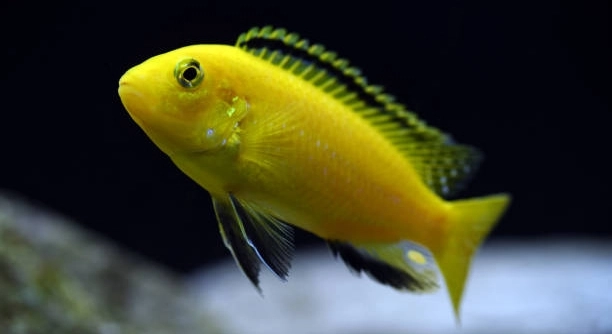
African cichlids are popular aquarium fish known for their vibrant colors and active behavior. Many fish owners enjoy observing how these cichlids respond to different environmental factors. One area of interest is how music or vibrations affect their behavior in the tank.
African cichlids can detect vibrations in the water, but there is limited evidence to suggest they respond directly to music as humans do. Their sensory system is more attuned to changes in water movement and pressure, which can influence their activity and stress levels.
Exploring how vibrations impact cichlids helps in creating a comfortable environment for these fish. Understanding their reactions can improve aquarium care and enrich their daily life.
How African Cichlids Sense Vibrations
African cichlids rely heavily on their lateral line system to detect vibrations and movements in the water around them. This sensory organ runs along the sides of their bodies and helps them sense changes in water pressure. It allows the fish to respond quickly to nearby movement, whether from other fish, predators, or environmental disturbances. Vibrations can come from many sources, including water flow, tapping on the tank, or even external sounds transmitted through the tank walls. While they can feel these vibrations, it is important to note that the fish do not “hear” music like humans do. Instead, they react to the physical vibrations caused by sound waves moving through the water. Sudden or strong vibrations can cause stress or defensive behavior, while gentle vibrations might stimulate curiosity or activity in the fish.
The lateral line is essential for cichlids to navigate, avoid threats, and communicate within their habitat.
In the aquarium, controlling vibration levels can reduce stress and promote natural behaviors. Fishkeepers should avoid loud noises or frequent tapping on the tank glass, as these can disrupt the fish’s comfort and overall well-being.
Effects of Music on African Cichlids
While the idea of playing music for fish is popular, there is little scientific proof that African cichlids respond positively or negatively to music itself. The sounds must travel through water to reach the fish, but water dampens many sound frequencies. What cichlids really notice are the vibrations and changes in water movement that music or loud noises may cause.
Some fishkeepers report that soft, consistent vibrations from music seem to calm their fish, possibly because these vibrations mimic natural water sounds. However, abrupt or loud music may stress the fish, leading to hiding or erratic swimming. It’s important to observe your fish’s behavior when introducing any new sound or vibration source.
Maintaining a stable and quiet environment is generally the best practice to keep cichlids healthy. If music or sound is played near the tank, keep volumes low and avoid sudden changes to minimize disturbance. Providing a calm atmosphere allows cichlids to display their natural, active behavior without unnecessary stress.
How Vibrations Affect African Cichlids’ Behavior
Vibrations in the tank can influence African cichlids’ activity levels and mood. Strong vibrations often cause stress, while gentle ones may encourage exploration or interaction.
When exposed to sudden vibrations, cichlids may freeze, hide, or display aggression. Their sensitivity to these cues helps them stay alert to potential threats in their environment. This reaction is natural and protective but can become harmful if triggered too frequently. Continuous exposure to strong vibrations can lead to chronic stress, weakening their immune system and affecting overall health. It’s important to minimize loud noises or sudden movements near the aquarium to reduce stress.
Gentle, consistent vibrations may stimulate cichlids’ curiosity without causing anxiety. For example, mild water flow or subtle tapping can mimic natural aquatic environments and encourage natural behaviors like foraging and swimming. Balancing vibration levels in the tank creates a more comfortable habitat for your fish, promoting both their physical and mental well-being.
Creating a Calm Environment for African Cichlids
A calm environment with minimal vibrations supports the health and happiness of African cichlids. Avoid placing the aquarium near noisy appliances or heavy foot traffic to reduce unwanted disturbances.
Using equipment designed to minimize vibrations, such as quiet filters and heaters, also helps maintain a peaceful tank atmosphere. Consistent water conditions and stable lighting further reduce stress. Keeping the environment predictable allows cichlids to settle and express their natural behaviors, such as territory establishment and social interaction. This sense of security can enhance their vibrant colors and overall vitality.
Regular observation of fish behavior helps identify if vibrations or noises are causing distress. Adjusting the environment promptly ensures the cichlids remain comfortable and healthy over time.
Common Sources of Vibrations in the Aquarium
Vibrations in the aquarium often come from equipment like filters, air pumps, and heaters. External sources such as footsteps or loud music can also cause noticeable vibrations.
These vibrations travel through the water and may affect the fish’s comfort. Identifying and controlling these sources helps maintain a stable environment.
Reducing Vibrations for Healthier Fish
Placing equipment on vibration-dampening pads or mats can reduce unwanted movements. Regular maintenance ensures devices run smoothly and quietly.
Positioning the aquarium away from heavy foot traffic or speakers minimizes external vibration. These small adjustments can make a big difference in fish well-being and stress reduction.
Observing Fish Behavior for Signs of Stress
Changes like hiding, erratic swimming, or loss of appetite may indicate stress caused by vibrations. Watching your cichlids closely helps detect discomfort early.
Adjusting the environment promptly based on their behavior supports their health and happiness.
Summary of Key Points
Understanding and managing vibrations benefits African cichlids by reducing stress and encouraging natural behavior in the tank.
FAQ
Do African cichlids actually respond to music?
African cichlids do not respond to music in the way humans do. They cannot interpret melodies or rhythms. What they sense are the vibrations created by sound waves traveling through the water. These vibrations may cause changes in their behavior, but it’s the physical movement of water they react to, not the music itself.
Can vibrations from music stress African cichlids?
Yes, strong or sudden vibrations can stress African cichlids. Loud noises or sharp changes in vibration levels may trigger defensive or anxious behaviors, such as hiding or erratic swimming. Consistent loud vibrations can weaken their immune system and negatively affect their health over time.
Is it safe to play soft music near an aquarium?
Playing soft music at a low volume near an aquarium usually won’t harm cichlids if vibrations remain gentle. Some fishkeepers notice their fish seem calmer with soft background noise. However, it’s important to monitor the fish’s behavior to ensure they are not showing signs of stress.
How can I tell if vibrations are upsetting my cichlids?
Signs that vibrations are upsetting your cichlids include hiding frequently, reduced activity, loss of appetite, or aggressive behavior. Sudden darting or rapid swimming can also indicate discomfort. Watching for these changes helps identify if vibrations need to be controlled better.
What are the best ways to reduce vibrations in a fish tank?
Using vibration-dampening pads under equipment, choosing quiet filters, and keeping the tank away from heavy foot traffic or speakers all help reduce vibrations. Regular maintenance of pumps and filters ensures they run smoothly without extra noise or shaking.
Can regular vibrations ever be beneficial to African cichlids?
Gentle, regular vibrations that mimic natural water movements can encourage natural behaviors like exploration and foraging. Mild water flow or soft, steady tapping may stimulate activity without causing stress. Balance is key—too much vibration is harmful, but a calm, moving environment is healthy.
Do different species of African cichlids react differently to vibrations?
Yes, some species may be more sensitive to vibrations than others. Territorial or more aggressive species might react strongly to disturbances, while shy species could hide more. Understanding the specific needs and temperaments of your cichlids helps tailor the tank environment.
Should I turn off music or devices near the aquarium during feeding?
It’s a good idea to minimize vibrations during feeding times to avoid stress and distraction. Quiet conditions allow cichlids to focus on eating and reduce competition or aggression caused by nervousness from sudden vibrations.
Can vibrations affect breeding behavior in African cichlids?
Vibrations can influence breeding behavior by either encouraging or disrupting it. Gentle water movement helps simulate natural conditions that promote spawning, but strong vibrations or noise may cause the fish to hide or abandon nests. Creating a calm environment supports successful breeding.
Are there any tools or gadgets that help monitor vibrations in an aquarium?
Some aquarists use vibration sensors or accelerometers to detect excessive movement in the tank. These devices can alert you to problems like faulty equipment or environmental disturbances, allowing for timely adjustments to protect your fish.
How long does it take for African cichlids to adjust to new vibrations?
Adjustment time varies depending on the fish and vibration intensity. Mild changes might be accepted within days, while stronger or sudden vibrations may cause prolonged stress. Gradual introduction and a stable environment help cichlids adapt more easily.
Is it better to have a completely silent aquarium environment?
Complete silence is not necessary, as some natural water sounds and gentle vibrations are normal and beneficial. The goal is to avoid harsh, unpredictable, or loud vibrations that cause stress. A balanced, quiet environment encourages healthy behavior.
Can I train African cichlids to ignore vibrations?
Cichlids can become somewhat accustomed to regular, harmless vibrations if they are predictable and gentle. However, sudden or strong vibrations will always trigger natural responses. Reducing sudden disturbances is the best way to keep fish comfortable.
What should I do if my fish show severe stress from vibrations?
If severe stress occurs, try relocating the tank to a quieter area, use vibration-dampening materials, and reduce noise sources nearby. Providing hiding spots and stable water conditions helps fish recover. If stress persists, consulting a fish health expert is advisable.
African cichlids are fascinating fish that rely on their ability to sense vibrations in their environment. While they do not respond to music like humans do, vibrations play an important role in how these fish interact with their surroundings. Their lateral line system allows them to detect water movement and pressure changes, helping them stay alert and safe. It is clear that vibrations, whether from aquarium equipment or external sources, can influence their behavior and well-being. Understanding this helps in creating a suitable environment that supports their health and natural instincts.
Creating a calm and stable aquarium environment is essential for African cichlids to thrive. Reducing strong or sudden vibrations can lower stress levels, which is important for maintaining their immune system and overall health. Using quiet equipment, placing the tank in a low-traffic area, and avoiding loud noises or heavy tapping near the aquarium can make a big difference. Gentle and consistent vibrations, similar to natural water movement, may even encourage healthy behaviors like exploration and feeding. Keeping a balance between too much and too little stimulation helps these fish feel secure and comfortable in their habitat.
Observing your African cichlids closely will help you notice how they react to vibrations and other changes in their tank. Signs like hiding, erratic swimming, or loss of appetite can indicate stress or discomfort. Taking steps to reduce disturbing vibrations and providing hiding places can improve their well-being. Although cichlids do not respond to music directly, managing the physical vibrations caused by sound or equipment is key. By paying attention to their needs and adjusting the environment, you can support the health and happiness of your fish for a long time.

Hello,
If you enjoy the content that we create, please consider saying a "Thank You!" by leaving a tip.
Every little bit helps us continue crafting quality advice that supports the health, happiness, and well-being of pets around the world, for pets of all shapes, sizes, and species.
We really appreciate the kindness and support that you show us!