
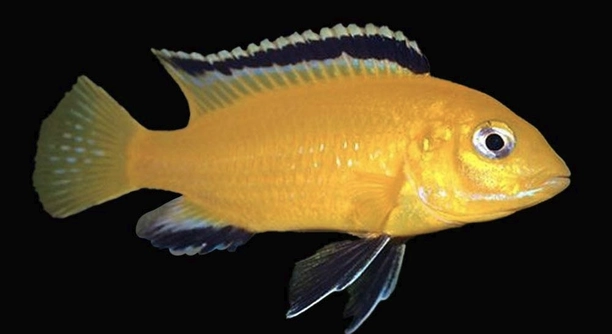
Cichlids are popular freshwater fish often kept in home aquariums. Many fish enthusiasts enjoy observing their behavior and interactions within the tank. Understanding how these fish recognize one another can add depth to caring for them.
Cichlids do have the ability to recognize their tankmates through visual cues, chemical signals, and social behavior patterns. This recognition helps maintain social hierarchies and reduces aggressive encounters among individuals sharing the same environment.
Learning about cichlid recognition can improve how you set up and manage your aquarium community. It sheds light on their social dynamics and helps create a more harmonious tank environment.
How Cichlids Recognize Their Tankmates
Cichlids use a combination of senses to identify their tankmates. Vision plays a major role, as they rely on distinct color patterns and body shapes to distinguish individuals. Chemical signals, or pheromones, released in the water also help fish recognize others by scent. Social behavior is another key factor. Through repeated interactions, cichlids learn who belongs to their group and adjust their behavior accordingly. This recognition allows them to maintain social order, which is important to reduce unnecessary conflicts. When fish live together in a confined space like an aquarium, these cues become even more significant. Recognizing familiar fish helps them avoid constant aggression, leading to a more stable environment. Understanding these mechanisms can assist aquarium keepers in creating better living conditions by considering tankmate compatibility and space requirements. This knowledge ultimately supports the wellbeing and natural behavior of cichlids.
Recognition among cichlids is a complex process involving multiple senses working together. Visual and chemical cues are the primary ways they identify each other.
Cichlids also show individual personality traits that affect how they interact with tankmates. Some may be more territorial, while others are more social. The size and species of the fish influence recognition and behavior patterns as well. For example, larger or more aggressive cichlids often dominate and control access to resources. Smaller or less aggressive ones may avoid confrontation by recognizing and respecting these dominant individuals. When new fish are introduced, they may initially face hostility until they are recognized and accepted. Stress levels rise when fish cannot identify tankmates properly, leading to fighting or hiding. Providing adequate space, hiding spots, and compatible tankmates helps maintain peaceful interactions. Observing how your cichlids behave towards each other can give clues about their recognition and acceptance within the group.
Improving Social Harmony in Your Aquarium
Recognizing how cichlids identify their tankmates can guide how to manage their environment effectively.
Maintaining a balanced social structure starts with proper tank size and careful selection of fish species. Overcrowding often causes stress and aggression since fish struggle to establish territories. Offering hiding places and visual barriers reduces direct confrontations and mimics natural habitats. Grouping similar species or those with compatible temperaments improves acceptance among tankmates. Introducing new fish slowly allows the established group time to adjust and recognize newcomers, which can decrease aggression. Regular observation helps detect early signs of stress or conflict, allowing quick intervention. Feeding routines also impact social harmony; consistent feeding reduces competition and tension. By understanding cichlid recognition and behavior, aquarium owners can foster a healthier and calmer tank environment. This not only benefits the fish but also enhances the viewing experience, making aquarium keeping more rewarding.
Signs That Cichlids Recognize Each Other
Cichlids display specific behaviors that show they recognize their tankmates. These include reduced aggression, following familiar fish, and cooperative activities like cleaning or territory defense. Such signs indicate social awareness and memory.
When cichlids recognize each other, they often establish stable social hierarchies. Dominant fish keep control without constant fighting, while submissive ones avoid conflicts. This balance lowers stress levels and creates a calmer tank environment. Fish that do not recognize one another may repeatedly challenge each other, leading to injury or fatigue. Over time, familiar fish develop predictable patterns of interaction, such as swimming together or sharing territory boundaries peacefully. Observing these behaviors can help identify whether your cichlids have accepted their tankmates or not.
Recognition also influences feeding behavior. Fish that know each other tend to feed more calmly and in turns, reducing competition and stress. They often respect personal space during feeding times, which helps maintain harmony. Conversely, unfamiliar fish may rush or chase others aggressively at feeding, causing chaos. Providing enough food and monitoring fish interactions can help support positive recognition and peaceful coexistence.
How Tank Setup Affects Recognition
Tank design greatly impacts how well cichlids recognize each other. Proper decorations and layout provide visual cues and territories, aiding recognition and reducing stress.
Clear separation of territories with rocks, plants, or dividers gives cichlids defined spaces to claim. This helps them remember neighbors and limits direct confrontations. Without adequate structure, fish may become confused or stressed, increasing aggression. Lighting also affects visibility and the ability to see color patterns, important for visual recognition. Maintaining clean water ensures chemical signals travel effectively, supporting scent-based recognition. A thoughtfully arranged tank encourages natural behavior and smoother social interactions among cichlids, promoting a balanced community.
Challenges in Recognizing New Tankmates
Introducing new cichlids can disrupt established social recognition. New fish are often met with suspicion and aggression until they are accepted. This transition period requires patience.
Stress increases when fish cannot quickly identify newcomers. Some cichlids may hide or become defensive, which affects their health and behavior.
Tips for Introducing New Cichlids
When adding new cichlids, quarantine them first to prevent disease spread. Introduce them slowly, ideally using a divider or separate tank for observation. Gradual introduction reduces stress and gives existing fish time to recognize the newcomer’s presence. Rearranging tank decorations before adding new fish can help disrupt established territories, making it easier for all fish to adjust. Always monitor interactions closely during this period and be prepared to separate fish if aggression becomes severe.
Chemical Signals and Recognition
Cichlids rely heavily on chemical signals in the water to identify tankmates. These cues help fish recognize individuals and assess their status within the group.
Visual Recognition Limitations
Poor lighting or cloudy water can hinder cichlids’ ability to visually recognize their tankmates, increasing stress and aggression.
FAQ
Can cichlids really remember their tankmates?
Yes, cichlids have good memory and can remember their tankmates for weeks or even months. They use visual cues like color patterns and size, along with chemical signals, to identify individuals. This memory helps them maintain social order and avoid unnecessary fights.
How long does it take for cichlids to recognize new fish?
Recognition can take from a few days to several weeks depending on the species and tank conditions. Some cichlids are more territorial and aggressive, which can slow down the acceptance process. Providing hiding places and space can speed up recognition and reduce stress.
Why do cichlids sometimes act aggressive toward their tankmates?
Aggression is often related to territory, mating, or establishing dominance. If fish do not recognize each other or feel crowded, fights can occur. Proper tank size and careful species selection help reduce aggression by giving fish room to establish personal space.
Do all cichlid species recognize their tankmates equally?
No, recognition ability varies among species. Some are more social and better at recognizing individuals, while others are naturally aggressive or solitary and may not form stable groups. Knowing your specific species helps manage their social needs effectively.
Can chemical signals be affected by water quality?
Yes, poor water quality can disrupt chemical communication among cichlids. Dirty or heavily filtered water may reduce the presence of scent markers, making recognition harder. Regular water changes and maintaining clean conditions support chemical signaling.
Is it possible for cichlids to forget their tankmates?
Cichlids can lose recognition if separated for long periods or if tank conditions change drastically. Stress or illness can also affect their ability to recognize others. Consistency in the environment helps maintain recognition and stable social groups.
How does tank size impact recognition?
A larger tank allows cichlids more space to establish territories and avoid constant contact, which helps recognition. Overcrowding makes it harder for fish to identify individuals clearly, increasing aggression and stress.
What are signs that cichlids do not recognize each other?
Signs include constant chasing, repeated fights, hiding, and refusal to share space. Lack of recognition causes high stress levels and can harm fish health. Early intervention by adjusting the tank or separating fish is important.
Can cichlids recognize fish of different species?
Cichlids primarily recognize members of their own species through specific visual and chemical cues. They may not identify other species as familiar tankmates but can learn to tolerate them over time depending on temperament and tank setup.
Does lighting affect cichlid recognition?
Yes, proper lighting helps cichlids see color patterns and body language, which are important for recognition. Poor lighting or murky water can make it difficult for fish to identify tankmates, leading to confusion and aggression.
How can I help shy cichlids feel more comfortable with tankmates?
Providing hiding spots, gentle introductions, and calm tank conditions help shy cichlids adjust. Avoid sudden changes in environment or adding aggressive fish. Patience is key for shy fish to feel safe and build recognition gradually.
Should I separate cichlids that don’t recognize each other?
If aggression is severe and persistent, separating fish is necessary to prevent injury. Sometimes, rearranging the tank or adding barriers can help. Monitoring behavior closely allows you to decide when separation is best for the health of your fish.
Do cichlids use sounds for recognition?
Some cichlid species produce sounds during social interactions, but sound plays a minor role in recognition compared to visual and chemical cues. Sounds mainly help in mating or territorial displays rather than identifying individuals.
Can diet influence cichlid behavior and recognition?
A balanced diet supports overall health and reduces stress, making fish more likely to engage positively with tankmates. Poor nutrition can increase aggression and lower immune response, which negatively affects social recognition.
How do breeding pairs affect social recognition in a community tank?
Breeding pairs become very territorial and protective, often recognizing and defending their mate and offspring strongly. This can increase aggression toward other fish. Providing separate spaces or breeding tanks helps reduce conflicts in community setups.
Final Thoughts
Understanding how cichlids recognize their tankmates is important for anyone keeping these fish. Recognition helps reduce aggression and stress, creating a more peaceful tank environment. Cichlids use a combination of sight, smell, and social behavior to identify other fish. This ability allows them to remember individuals and maintain social order within the group. When fish know who their neighbors are, they are less likely to fight and more likely to coexist peacefully. This can lead to a healthier aquarium where the fish show natural behaviors and seem more comfortable.
Setting up the aquarium properly plays a big role in supporting recognition among cichlids. Providing enough space for each fish to claim a territory is essential. Decorations like rocks, plants, and caves give visual markers that help fish remember boundaries and reduce conflict. Clean water also supports chemical signaling, which is another way cichlids recognize each other. Introducing new fish slowly and rearranging the tank can help the group adjust and accept newcomers. These simple steps can make a big difference in how well your cichlids get along and how peaceful the tank remains.
Taking the time to observe your cichlids’ behavior will give you clues about how well they recognize their tankmates. Look for signs like reduced aggression, calm feeding, and fish swimming together comfortably. If you notice constant fights or hiding, it may mean recognition is not fully established. Adjusting tank conditions, space, and fish combinations can improve the situation. Remember, every cichlid species has different social needs and abilities. Understanding these needs helps create a better environment for your fish to thrive and live harmoniously together.

Hello,
If you enjoy the content that we create, please consider saying a "Thank You!" by leaving a tip.
Every little bit helps us continue crafting quality advice that supports the health, happiness, and well-being of pets around the world, for pets of all shapes, sizes, and species.
We really appreciate the kindness and support that you show us!