
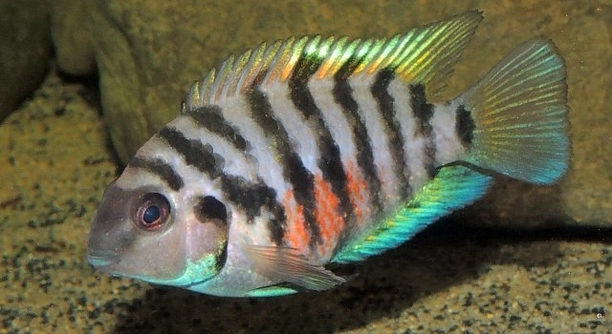
African cichlids are colorful freshwater fish found mostly in Africa’s lakes. They are popular among aquarium enthusiasts for their vibrant looks and interesting behaviors. These fish have qualities that set them apart from other species.
African cichlids are unique due to their diverse colors, complex social structures, strong territorial instincts, specialized feeding habits, remarkable breeding behaviors, adaptability to different environments, and rapid evolution. These traits contribute to their ecological importance and popularity in aquariums.
Learning about these traits can help you better appreciate African cichlids and care for them properly in home tanks. Their fascinating nature makes them stand out in the world of fishkeeping.
Vibrant Colors and Patterns
African cichlids are known for their striking colors and unique patterns. These fish display a wide range of hues, from bright yellows and blues to deep reds and blacks. Their colors often change depending on mood, health, or breeding status. Some species have intricate patterns that help them blend into their natural environment or signal dominance. This variety makes each fish special and visually appealing. The vivid colors are not just for show; they play a crucial role in communication within their groups. For example, dominant males often show brighter colors to attract females or warn rivals. The patterns also help identify different species, making it easier to recognize them in their natural habitats.
Color changes can occur quickly when the fish feels threatened or excited. This ability is an important part of their survival strategy. It helps them adapt to their surroundings and social interactions more effectively.
Understanding their color patterns gives insight into their behavior and health. It can also improve the experience of keeping them in aquariums by recognizing signs of stress or breeding readiness.
Complex Social Structures
African cichlids live in social groups with clear hierarchies. These groups have leaders and followers, which helps maintain order and reduces conflicts. Each fish knows its place, and this structure is essential for their survival in crowded environments. Social bonds also form through interactions like displays and fights, which help establish dominance. Males often compete to gain territory and attract females. These social behaviors make watching cichlids fascinating, as their relationships can be quite dynamic.
Social order is crucial for peaceful coexistence among cichlids.
In natural lakes, social groups protect resources like food and breeding spots. Fish lower in rank often avoid confrontations to stay safe. These social rules prevent chaos and allow the community to thrive. In captivity, replicating these conditions helps reduce stress and aggression. It is important to provide enough space and hiding spots to support their social needs. Observing their interactions reveals a complex system of communication through color changes, body language, and movements. This complexity is one reason cichlids remain popular for study and aquarium keeping. Knowing about their social life helps create a better environment for them at home.
Strong Territorial Instincts
African cichlids are very protective of their space. They defend their territory against intruders, especially during breeding times. This behavior helps secure food and safe areas for their young.
Territorial behavior varies by species but often involves chasing or displaying bright colors to warn others. Males usually take the lead in guarding areas. This instinct keeps populations balanced and reduces fights. In aquariums, lack of space can increase aggression, so it’s important to provide enough room. Hiding spots and natural barriers help fish establish their own zones. Recognizing territorial signs early can prevent stress and injury. Understanding this instinct allows for better tank management and healthier fish.
The way cichlids mark and defend territory is impressive. They use body language and color shifts to communicate ownership. This clear system helps maintain order even in crowded environments.
Specialized Feeding Habits
Different species of African cichlids have evolved to eat specific types of food. Some feed on algae, while others hunt small insects or even other fish. This specialization reduces competition and allows many species to live closely together.
Specialized diets also influence their teeth and mouth shapes. Algae eaters have scraping teeth, while predators have sharp, pointed ones. Knowing their feeding habits is essential for proper care in aquariums. Feeding the wrong food can cause health problems or stress. Providing a diet that matches their natural preferences supports their immune system and encourages natural behavior. Observing how they feed also gives clues about their well-being. These feeding differences highlight the diversity within African cichlids and their ability to adapt to various environments.
Remarkable Breeding Behaviors
African cichlids show unique ways of raising their young. Many species are mouthbrooders, where the parent carries eggs and fry in their mouth for protection. This method keeps the young safe from predators.
Mouthbrooding can last several weeks. During this time, the parent may eat less or stop eating altogether. This strong parental care increases survival rates of their offspring.
Adaptability to Different Environments
African cichlids thrive in a variety of habitats, from rocky shores to sandy lake bottoms. Their ability to adjust to different water conditions helps them survive and reproduce in diverse areas. This adaptability also makes them easier to keep in home aquariums.
Rapid Evolution
African cichlids evolve quickly. This rapid change helps them develop new traits to fit changing environments. Their fast evolution results in many different species within a relatively short time frame.
Ecological Importance
African cichlids play key roles in their ecosystems. They help control algae and insect populations and serve as food for larger animals.
FAQ
What makes African cichlids different from other fish?
African cichlids stand out because of their bright colors, social behaviors, and strong territorial instincts. They also have specialized feeding habits and unique breeding methods like mouthbrooding. Their ability to quickly adapt and evolve adds to their uniqueness compared to many other fish species.
How should I care for African cichlids in an aquarium?
Caring for African cichlids requires attention to their environment and social needs. Provide plenty of space and hiding spots to reduce aggression. Maintain clean water with proper filtration and keep the water parameters stable. Feed them a balanced diet that fits their species’ specific feeding habits. Regular monitoring helps catch health issues early.
Why do African cichlids change colors?
Color changes in African cichlids are a form of communication. They can signal mood, health, or social status. For example, brighter colors often show dominance or readiness to breed, while dull colors may indicate stress or illness. Color shifts also help them respond quickly to threats or social interactions.
Are African cichlids aggressive?
Many African cichlids show territorial aggression, especially males protecting their space or during breeding. However, aggression levels vary by species and environment. Providing enough room and hiding places reduces fights. Understanding their social hierarchy can help manage aggression in an aquarium setting.
What do African cichlids eat?
Their diet depends on the species. Some feed mainly on algae, scraping it off rocks, while others hunt small insects or smaller fish. In captivity, it’s important to mimic their natural diet with high-quality flakes, pellets, or live foods suitable for their species to keep them healthy.
How do African cichlids reproduce?
Many African cichlids are mouthbrooders, where the parent holds eggs and fry in its mouth for protection. Some species lay eggs on surfaces or in hidden spots. Parents often show strong care to ensure offspring survival, which is unusual compared to many other fish.
Can African cichlids live with other fish?
They can, but compatibility depends on the species and tank size. Because of their territorial nature, they may fight with other fish that are too similar or small enough to be seen as prey. It’s best to research specific species and provide enough space to reduce conflicts.
How fast do African cichlids grow?
Growth rates vary by species and conditions. Generally, they grow quickly in the first year with proper care and nutrition. Healthy water quality and a balanced diet support their growth. Regular tank maintenance helps avoid stress that can slow development.
What is the lifespan of African cichlids?
Most African cichlids live between 5 to 10 years in captivity with good care. Some species may live longer if their environment is well maintained. Providing a stable habitat, good nutrition, and avoiding stress factors contributes to a longer life.
Why do African cichlids dig in the substrate?
Digging is natural behavior used to create nesting sites or search for food. It also helps them mark territory. In aquariums, this behavior can disturb plants or decorations, so using heavier plants or rocks can help manage digging without stressing the fish.
How important is water quality for African cichlids?
Water quality is crucial. These fish come from clear, stable lakes, so they need clean, well-filtered water with balanced pH and hardness. Poor water quality can cause stress, illness, and color fading. Regular water changes and monitoring keep cichlids healthy and vibrant.
Can African cichlids adapt to new environments quickly?
Yes, they are known for their adaptability. This trait allows them to survive in varying conditions and makes them easier to keep in home aquariums compared to some more sensitive species. However, sudden changes should still be avoided to prevent stress.
What signs show that African cichlids are stressed?
Signs of stress include faded colors, hiding excessively, loss of appetite, and unusual swimming patterns. Aggression can also increase if they feel crowded or threatened. Watching for these signs helps address problems early to keep fish healthy.
Is it necessary to separate breeding pairs?
Separating breeding pairs depends on species and tank conditions. Some pairs may become very aggressive toward others during breeding and need a dedicated space. In community tanks, providing enough territory and hiding spots can reduce the need for separation.
How do African cichlids communicate?
They communicate mainly through body language and color changes. Displays like flaring fins, changing colors, or specific movements signal dominance, submission, or readiness to breed. Understanding these signals helps manage social dynamics in tanks.
Can African cichlids live in both soft and hard water?
Most African cichlids prefer hard, alkaline water similar to their natural lake habitats. Soft or acidic water can cause health issues. Maintaining the right water hardness and pH is important for their well-being and to keep their colors bright.
African cichlids are truly remarkable fish with many unique traits that set them apart. Their bright colors and interesting behaviors make them popular choices for aquarium keeping. These fish are not only beautiful but also show complex social lives and strong instincts that help them survive in the wild. Understanding their special qualities helps anyone who cares for them provide a better environment. This knowledge makes it easier to meet their needs and enjoy watching their natural behaviors.
Caring for African cichlids requires attention to several important factors. Their territorial nature means they need enough space and hiding places to feel secure. Water quality is also key since they come from clear lakes with specific conditions. Feeding them properly, based on their species’ natural diets, supports their health and vibrant colors. Watching for signs of stress or illness can help catch problems early. When these needs are met, cichlids tend to thrive and display their full range of behaviors, from colorful displays to fascinating breeding habits.
Overall, African cichlids offer much to learn about and enjoy. Their adaptability, rapid evolution, and social complexity make them interesting subjects for study and care. While they can be more challenging than some other fish, their rewards are worth the effort. For anyone interested in keeping fish that combine beauty with personality, African cichlids are a great choice. With proper care and understanding, these fish can live healthy, active lives and bring color and life to any aquarium setting.

Hello,
If you enjoy the content that we create, please consider saying a "Thank You!" by leaving a tip.
Every little bit helps us continue crafting quality advice that supports the health, happiness, and well-being of pets around the world, for pets of all shapes, sizes, and species.
We really appreciate the kindness and support that you show us!