
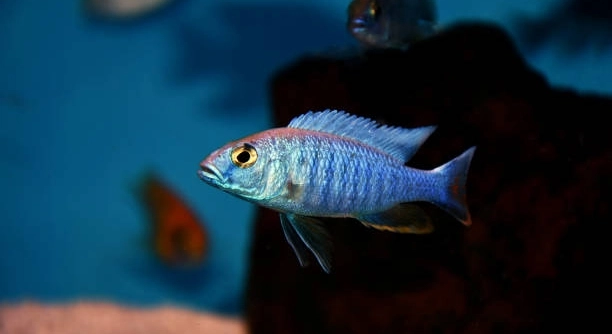
Introducing a new cichlid to your aquarium requires careful steps to avoid stress and health risks. Ensuring a smooth transition helps keep both the new and existing fish safe and comfortable in their shared environment. This guide outlines essential actions for success.
Safely introducing a new cichlid involves quarantining the fish, preparing the tank, slowly acclimating them to water conditions, monitoring behavior closely, and minimizing stress to prevent disease and aggression. These steps promote a healthy and stable community.
Following these guidelines can help create a peaceful aquarium where your cichlids thrive together without unnecessary problems or setbacks.
Quarantine Your New Cichlid
Quarantining a new cichlid before adding it to your main tank is important to prevent spreading diseases. Keep the fish in a separate tank for at least two weeks. During this time, watch for signs of illness like spots, clamped fins, or unusual behavior. Treat any health issues immediately. This step reduces the risk of introducing infections to your established fish. Make sure the quarantine tank has similar water conditions to the main tank to avoid shock when you move the fish later. Use a reliable water testing kit to maintain stable parameters. Feeding the cichlid well during quarantine helps it stay strong and recover from transport stress. If everything looks good after two weeks, you can prepare to introduce the fish to your main aquarium carefully.
Quarantine tanks should be quiet, with minimal disturbance to reduce stress for the new fish.
A proper quarantine setup includes a heater, filter, and hiding spots to mimic a natural environment. Clean the tank regularly, but avoid changing all the water at once to maintain beneficial bacteria. Consistency in temperature and water quality is key. You can use aquarium salt or medications during quarantine if needed, but always follow dosage instructions carefully. Keep notes on your cichlid’s behavior and health throughout this period. After quarantine, acclimate the fish slowly to the main tank water to reduce shock. Taking these precautions will improve the chances of a smooth and healthy introduction.
Preparing the Main Tank
The main tank should be ready before adding any new fish. Remove any uneaten food and perform a partial water change to keep the water clean and healthy. Make sure the filter is working well and the temperature matches the new cichlid’s needs. Rearrange decorations or add hiding places if needed to reduce aggression between fish. Cichlids often need personal space, so more hiding spots help prevent conflicts. Test the water for ammonia, nitrites, and nitrates to ensure safe conditions.
Introducing a new fish into a stable, well-maintained tank helps reduce stress and promotes harmony among all the inhabitants.
Before you add your new cichlid, check the behavior of the existing fish. If they seem aggressive or overly territorial, you might need to adjust the tank layout or separate some fish temporarily. Pay attention to water parameters and keep them steady during the introduction phase. Adding plants, rocks, or caves gives the new fish places to explore and hide, which helps it settle in faster. Avoid feeding too much during the first few days to prevent water quality issues. Observing the tank closely during the first week can alert you to any problems early, allowing for quick action to protect your fish community.
Acclimate the New Cichlid Slowly
Acclimation helps the new cichlid adjust to the water conditions of the main tank. This reduces stress and lowers the chance of shock.
Use the drip method to slowly mix water from the main tank into the quarantine bag or container. This should take about 30 to 60 minutes. Slowly increasing the water volume helps the fish get used to different temperatures and pH levels. Avoid pouring the new fish directly into the tank water. Instead, transfer it gently with a net to prevent mixing water from the quarantine tank into the main tank, which could carry pathogens. Taking your time here is crucial for a smooth transition.
After acclimation, keep the lights dimmed for a few hours to help the fish settle. Observe closely for signs of stress or aggression and be ready to intervene if necessary.
Monitor Behavior After Introduction
Keep a close watch on all fish for at least a week after introducing the new cichlid. Look for signs of aggression, stress, or illness. Early detection helps prevent serious problems.
Aggression is common when new fish are added, especially among cichlids. If fighting occurs, try rearranging tank decorations to break up established territories. This can reduce aggression and give the new fish places to hide. Feeding the fish frequently in small amounts can also distract them from fighting. Be patient; it often takes several days for the fish to settle into their new social order. Watch for unusual behaviors like hiding constantly or loss of appetite, which may indicate stress or health issues. Immediate action, like isolating injured fish or adjusting tank conditions, helps maintain a healthy environment for all.
Maintain Stable Water Conditions
Keeping water conditions stable is essential after adding a new cichlid. Sudden changes can stress fish and cause illness.
Regularly test the water for ammonia, nitrites, nitrates, and pH levels. Adjust as needed to keep parameters consistent and safe for all fish.
Control Feeding Amounts
Feed your fish small amounts multiple times a day. Overfeeding can pollute the water and cause health problems.
Remove any uneaten food quickly to maintain water quality. Balanced feeding supports fish health during the adjustment period.
Watch for Disease Signs
Monitor your fish daily for any signs of disease such as white spots, clamped fins, or unusual behavior. Early detection is key to treatment and preventing spread.
Provide Hiding Spaces
Hiding spots help reduce stress by giving fish places to retreat. Use plants, rocks, or decorations to create safe areas within the tank.
FAQ
How long should I quarantine a new cichlid before adding it to the main tank?
Quarantine for at least two weeks. This time allows you to observe the fish for diseases and stress without risking your main tank. If the fish shows no signs of illness after this period, it’s generally safe to proceed with introduction.
What is the best way to acclimate a new cichlid to my tank?
The drip method is the safest. Slowly add water from your main tank into the container holding the new fish over 30 to 60 minutes. This gradual change in water chemistry helps reduce shock and stress for the fish.
Can I introduce more than one cichlid at the same time?
Introducing multiple cichlids together can reduce aggression because they are all new and don’t have established territories. However, make sure your tank is large enough with plenty of hiding spots to accommodate them.
What signs of stress should I watch for in a new cichlid?
Look for hiding constantly, loss of appetite, clamped fins, rapid breathing, or unusual swimming patterns. These signs indicate the fish is not comfortable and may need more time to adjust or help.
How do I reduce aggression after introducing a new cichlid?
Rearranging decorations and adding hiding spots helps break territorial claims. Feeding smaller amounts more often can distract fish from fighting. In severe cases, temporarily separating aggressive fish may be necessary.
How often should I test the water after introducing a new fish?
Test water at least twice a week during the first month. New fish can affect the tank’s nitrogen cycle, causing spikes in ammonia or nitrites that are harmful to all fish.
Is it normal for fish to hide after introduction?
Yes, new fish often hide while they adjust. This behavior usually lasts a few days. Providing plenty of hiding spots helps them feel secure and reduces stress.
Should I use medications during quarantine?
Medications can prevent or treat common diseases but should be used carefully. Only treat if you see signs of illness, and follow instructions closely to avoid harming beneficial bacteria.
Can water changes help after adding a new cichlid?
Regular partial water changes help maintain good water quality. Avoid complete water changes right after introducing new fish, as sudden shifts can stress them further.
What’s the best way to feed a new cichlid?
Feed small amounts two to three times daily with a balanced diet suitable for cichlids. Avoid overfeeding to keep the water clean and help the fish stay healthy during adjustment.
Introducing a new cichlid to your aquarium is a process that requires patience and careful attention. Following the right steps helps ensure the health and safety of both the new fish and the ones already living in the tank. Taking the time to quarantine, acclimate slowly, and prepare the main tank properly makes a big difference. These actions reduce stress and lower the chances of disease spreading. It’s important to maintain stable water conditions and keep a close eye on fish behavior after the introduction. By doing this, you create a peaceful and healthy environment where your cichlids can thrive together.
Monitoring the fish closely during the first few days and weeks is key. Watch for any signs of stress, illness, or aggression. This period is critical because it shows how well the new cichlid is adjusting. Some hiding and quiet behavior are normal at first, but if problems persist, it may require further action. Adjusting the tank setup or temporarily isolating aggressive fish can help. Feeding the fish appropriately and not overfeeding keeps the water quality high, which also supports good health. Remember that every aquarium is different, so being observant and ready to respond to your fish’s needs will give you the best results.
Taking these steps helps build a balanced aquarium community where all fish feel comfortable. A smooth introduction of new cichlids protects your investment and ensures a long-lasting, enjoyable tank. While it may seem like extra work, these careful practices prevent many common problems. The result is a healthier, happier aquarium for you to enjoy. With patience and consistent care, your cichlids will settle in well and display their natural behavior, adding beauty and life to your aquatic setup.

Hello,
If you enjoy the content that we create, please consider saying a "Thank You!" by leaving a tip.
Every little bit helps us continue crafting quality advice that supports the health, happiness, and well-being of pets around the world, for pets of all shapes, sizes, and species.
We really appreciate the kindness and support that you show us!