
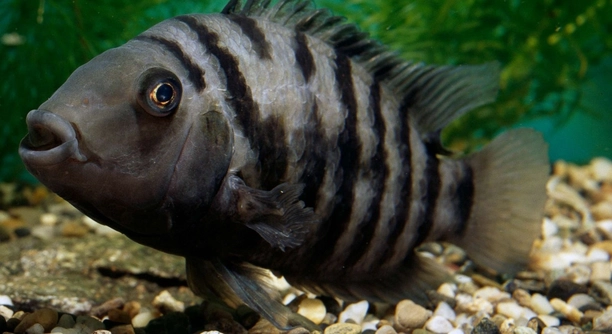
Aggressive behavior in cichlids is a common challenge for many aquarium enthusiasts. These fish are known for their territorial nature, which can lead to conflicts and stress in the tank. Managing their behavior effectively is key to a peaceful aquatic environment.
To handle aggressive cichlid behavior, it is important to understand their territorial instincts and provide ample space, hiding spots, and compatible tank mates. Regular monitoring and adjusting tank conditions can reduce conflicts and promote a balanced community.
Controlling aggression improves the well-being of both your fish and your aquarium’s overall harmony. The following tips will help you create a calmer and healthier environment for your cichlids.
Create Plenty of Hiding Places
Providing enough hiding spots in the tank helps reduce aggression among cichlids. These fish feel more secure when they have places to retreat to if they feel threatened. Rocks, caves, and plants can serve as barriers and safe zones. When cichlids can claim their own space, they are less likely to fight over territory. Without hiding places, dominant fish may bully others more intensely. This leads to stress and sometimes injury. Changing the tank layout occasionally also helps disrupt established territories. This can reduce the intensity of ongoing aggression. Always make sure the hiding spots are spread out evenly so all fish have access. Using decorations that mimic their natural habitat can encourage calmer behavior. Keeping the environment interesting and comfortable supports a healthier social balance.
Hiding spots give cichlids security and reduce conflict. They help maintain peace by allowing fish to escape stressful encounters.
Adding shelters and rearranging the tank regularly keeps the fish from becoming too territorial. This approach limits constant aggression and creates a calmer aquarium environment for all.
Monitor Tank Population Carefully
Overcrowding increases stress and competition among cichlids, which often leads to aggression. It is essential to keep the number of fish in the tank appropriate for its size. Too many fish force cichlids to compete for space, food, and resources. This results in more frequent fights and injuries. Each species has its own space needs, so researching the right population for your tank is important. A larger tank can help, but only if stocked wisely. Removing overly aggressive fish or separating them may be necessary. Pay attention to signs of stress like constant chasing or hiding. Balancing the population helps maintain a more peaceful environment. Also, grouping compatible species together lowers the chance of violent encounters. Regular observation and adjusting the tank setup based on fish behavior will improve harmony.
Keeping the tank population balanced prevents overcrowding and stress. It helps reduce aggression and promotes healthier fish interactions.
Use Neutral Tank Decorations
Neutral decorations help reduce territorial disputes by minimizing visual barriers. Avoid sharp or brightly colored objects that may encourage competition. Simple rocks and plants create natural boundaries without increasing aggression.
Choosing neutral decorations lets fish feel secure without sparking fights. Decorations should provide shelter but avoid creating too many separate territories. This balance encourages a calmer tank environment. It also helps prevent dominant fish from claiming exclusive areas that cause tension. When decorations are carefully selected, the overall aggression levels often drop. Re-arranging these items occasionally can disrupt established territorial patterns, giving less aggressive fish more confidence to explore. The right setup supports peaceful coexistence, making the aquarium more enjoyable to watch and care for.
Changing decorations can also stimulate natural behaviors while keeping aggression manageable. Neutral choices balance hiding places and open swimming areas, reducing stress for all cichlids.
Maintain Proper Water Quality
Good water quality is essential to reduce stress and aggression. Poor conditions make fish irritable and more likely to act aggressively. Regular testing and changes keep the environment healthy.
Consistent water maintenance prevents buildup of harmful toxins that affect fish behavior. Parameters like pH, temperature, and ammonia levels must be stable and within the species’ needs. Fluctuations can cause discomfort, leading to increased territorial disputes. Frequent partial water changes and proper filtration help maintain clean water. This supports the fish’s immune system and reduces stress-related aggression. Keeping water quality high also promotes better overall health and longevity for your cichlids. A well-maintained tank encourages calmer behavior, making it easier to manage aggressive tendencies without medication or drastic measures.
Healthy water conditions create a comfortable environment that discourages conflict and supports peaceful interactions.
Choose Compatible Tank Mates
Selecting compatible species is crucial to reduce aggression. Avoid mixing highly territorial cichlids with more peaceful fish. Balance personalities to minimize conflict.
Compatibility helps maintain a stable community. Some cichlids tolerate certain species better, so research is essential. Proper pairing lowers stress and aggression in the tank.
Provide a Balanced Diet
Feeding cichlids a varied and nutritious diet keeps them healthy and less aggressive. Hunger or poor nutrition often leads to increased fighting.
Ensuring food is plentiful and distributed evenly reduces competition. Using high-quality pellets, frozen foods, and occasional live feed supports their needs. A balanced diet strengthens immune systems and promotes calmer behavior, making tank management easier.
Observe and Intervene Early
Watching fish behavior regularly helps catch aggression before it escalates. Early intervention can prevent injuries and stress.
Removing overly aggressive individuals or adjusting tank conditions quickly keeps the community stable and safe.
FAQ
What causes aggressive behavior in cichlids?
Aggression in cichlids mostly comes from their territorial instincts. These fish naturally defend their space, especially during breeding. Limited space, overcrowding, or lack of hiding spots can increase hostility. Stress from poor water quality or incompatible tank mates also makes them more aggressive.
How can I tell if my cichlid is too aggressive?
Signs include constant chasing, biting, or nipping other fish. Injuries or missing scales are clear indicators. If some fish hide frequently or appear stressed, aggression might be the cause. Watching your tank daily helps catch these signs early.
Can tank size reduce aggression?
Yes. A larger tank gives fish more room to establish territories without constant conflict. It also allows for more hiding places and separation between fish. Small tanks often increase competition and stress, leading to more aggressive behavior.
Are there specific cichlid species that are less aggressive?
Some species are known to be more peaceful, such as Keyhole or Angelfish cichlids. However, individual behavior varies. Research each species carefully before mixing to avoid unexpected aggression.
How often should I change the tank layout?
Rearranging decorations every few weeks can break up established territories. This helps reduce ongoing fights by forcing fish to adapt to new spaces. Don’t change too often, as this can also stress fish.
Is separating aggressive fish a good solution?
Sometimes it’s necessary. If one fish constantly attacks others, isolating it can protect the rest of the community. A separate tank or divider can keep peace until behavior improves or a new home is found.
What role does diet play in aggression?
A poor diet can increase irritability and competition for food. Feeding high-quality, varied food and ensuring all fish get enough reduces food-related aggression. Regular feeding schedules also help maintain calm.
Can water quality affect aggression?
Definitely. Poor water conditions cause stress, weakening fish and making them more aggressive. Regular testing and maintenance keep the environment healthy and fish behavior stable.
How many cichlids should be kept together?
This depends on tank size and species. Overcrowding leads to fights, but too few fish may also cause bullying. Finding the right balance is key, so research your species’ needs carefully.
Is it normal for cichlids to be aggressive during breeding?
Yes. Breeding cichlids become more territorial to protect their eggs and fry. Providing extra hiding spots and separating other fish during this time helps reduce aggression.
Can plants reduce aggression?
Plants offer hiding places and break lines of sight, which helps decrease territorial disputes. However, some cichlids may uproot or eat plants, so choose hardy species or artificial plants.
How do I introduce new fish without causing fights?
Introduce new fish slowly and carefully. Rearranging the tank before adding new fish can disrupt territories. Adding several fish at once reduces bullying. Watch closely and be ready to separate if aggression increases.
Are certain tank decorations better than others?
Simple, neutral decorations that provide hiding spots work best. Avoid overly bright or sharp objects that may provoke fights. Rocks, caves, and sturdy plants are usually good choices.
Can stress make cichlids aggressive?
Yes. Stress from overcrowding, poor water, or constant fighting leads to aggressive behavior. Reducing stress factors improves fish health and temperament.
What should I do if aggression becomes severe?
Severe aggression may require separating fish, upgrading tank size, or adjusting tank mates. In some cases, rehoming overly aggressive individuals is necessary for the health of the group.
These answers cover common concerns and solutions for managing aggressive cichlid behavior. Taking steps to create a balanced environment supports peaceful fish and a healthy aquarium.
Managing aggressive behavior in cichlids requires patience and attention to detail. These fish have natural instincts to protect their space, which can lead to conflicts in the aquarium. By understanding their needs and behaviors, it is possible to create a more peaceful environment. Providing enough space, hiding spots, and compatible tank mates helps reduce tension among the fish. Regular maintenance of water quality and a balanced diet also support their health and calmness. Each small change can make a difference in minimizing aggression and improving the overall tank atmosphere.
It is important to observe the fish often to catch early signs of aggression. Quick action can prevent injuries and stress in your cichlids. Sometimes rearranging the tank or adjusting the population is necessary to keep peace. If aggression becomes a serious problem, separating the more hostile fish may be the best option. Although this may seem inconvenient, it protects the well-being of all fish in the aquarium. Remember, managing aggressive behavior is an ongoing process. Changes in the tank or fish behavior mean you might need to make new adjustments over time.
Keeping cichlids healthy and calm takes consistent care and understanding. Following simple tips like providing hiding places, maintaining water quality, and feeding well will help your fish live together more peacefully. Aggression is a natural part of their behavior, but it does not have to take over your tank. By creating the right environment and watching your fish closely, you can enjoy a beautiful and balanced aquarium. Taking these steps shows care and respect for your cichlids, leading to a more satisfying fishkeeping experience overall.

Hello,
If you enjoy the content that we create, please consider saying a "Thank You!" by leaving a tip.
Every little bit helps us continue crafting quality advice that supports the health, happiness, and well-being of pets around the world, for pets of all shapes, sizes, and species.
We really appreciate the kindness and support that you show us!