
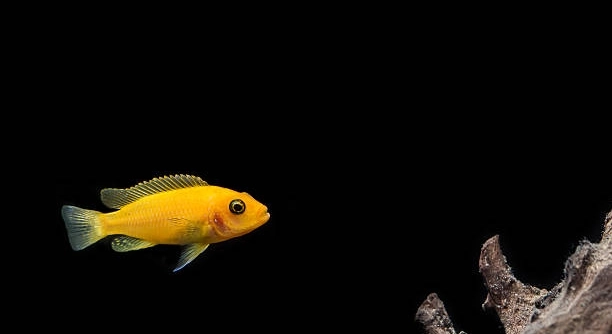
Understanding the social behavior of cichlids can help maintain harmony in your aquarium. Recognizing which fish are dominant and which are submissive is key to preventing conflicts and ensuring a balanced environment for all your aquatic pets.
Dominant cichlids display confident body language, such as raised fins, bright coloration, and territorial behavior. Submissive cichlids often exhibit retreating movements, duller colors, and avoid confrontations to reduce stress and aggression within the tank.
Knowing how to identify these behaviors will help you create a peaceful and healthy habitat for your cichlids. This article will guide you through the signs that distinguish dominant fish from submissive ones.
Recognizing Dominant Behavior in Cichlids
Dominant cichlids often take control of specific territories within the aquarium. They swim confidently, showing off their bright colors and erect fins to assert their position. These fish usually display aggressive behavior toward others, chasing or nipping at less dominant tank mates to keep them in check. They may also dig or rearrange substrate and decorations to mark their space. When feeding, dominant cichlids are the first to approach food and often eat more than others. Their posture tends to be upright, and they keep their eyes fixed on potential challengers. Dominance is reinforced by frequent displays of power, which can help establish a clear social order and reduce ongoing conflict.
Dominant fish maintain their rank through consistent territorial displays and controlled access to resources.
These behaviors ensure that dominant cichlids remain in charge, helping to prevent chaos and injury within the tank. Watching these signs closely can help you manage your aquarium’s social dynamics more effectively.
Signs of Submissive Cichlids
Submissive cichlids often stay near hiding spots or swim away from dominant fish to avoid conflict.
Submissive cichlids tend to have duller coloration and smaller, less confident movements. They avoid confrontations and usually feed last. These fish often lower their fins and keep a low profile to stay out of trouble. You might notice them retreating quickly when a dominant fish approaches. Over time, submissive cichlids can become stressed if they do not have enough safe spaces, so providing plenty of hiding spots is essential. Their behavior helps maintain peace but requires attention to ensure their wellbeing and reduce stress in the aquarium environment. Understanding these subtle cues will help you balance your tank and keep all fish healthy.
Impact of Tank Setup on Cichlid Behavior
Tank layout influences how dominant and submissive cichlids interact. Rocks, plants, and hiding spots create boundaries and refuge areas.
A well-structured tank provides spaces for submissive fish to retreat and reduces direct confrontations. Dominant cichlids claim open or strategic spots as their territory. Without enough hiding places, submissive fish may become stressed, leading to poor health and increased aggression from dominant fish. Proper tank design balances visibility and shelter, encouraging natural behavior and less conflict. This setup helps maintain social order and overall fish wellbeing.
Adjusting tank decor and structure can minimize aggressive interactions and promote a more peaceful aquarium environment for all cichlids.
Monitoring and Managing Aggression
Keeping an eye on fish behavior allows early intervention before problems escalate.
Regular observation helps identify signs of bullying or excessive stress in submissive fish. Adjusting the number of hiding spots, rearranging tank layout, or separating overly aggressive individuals may be necessary. Feeding routines can also impact aggression; distributing food evenly reduces competition. Consistent maintenance of water quality and environment stability supports fish health and reduces stress-related aggression. Managing aggression prevents injury and ensures a healthier community, making the aquarium a better place for every fish to thrive.
Feeding Behavior Differences
Dominant cichlids eat first and often take the best food. They may chase others away during feeding times.
Submissive fish wait patiently or sneak food when dominant ones are distracted. Feeding habits reveal social ranks and affect growth and health.
Color Changes and Physical Cues
Color intensity often signals dominance. Brighter, more vivid colors show confidence and health, while duller shades suggest submission or stress.
Cichlids may also change posture or flare fins to communicate status without physical conflict, helping to maintain balance in the group.
Importance of Observation
Careful observation helps spot early signs of imbalance or stress.
Monitoring behavior ensures timely action, protecting both dominant and submissive fish.
FAQ
How can I tell if my cichlid is truly dominant or just aggressive?
Dominant cichlids maintain control over territory and resources without constant, harmful attacks. Aggressive fish may show unpredictable, frequent attacks that stress others. True dominance involves confident displays like erect fins and territorial guarding, while aggression can appear more erratic and damaging.
What should I do if a submissive cichlid is constantly hiding?
If a submissive cichlid hides most of the time, it may be stressed or bullied. Adding more hiding spots can help, as well as rearranging the tank to disrupt dominant territories. If bullying continues, consider separating the aggressive fish temporarily to reduce stress.
Can tank size affect dominance behavior?
Yes, tank size greatly impacts social behavior. Smaller tanks limit space, increasing territorial disputes and stress. Larger tanks provide more room for each fish to establish territories and avoid constant conflict, promoting a healthier social balance.
Do dominant cichlids always have brighter colors?
Typically, dominant cichlids display brighter colors as a sign of confidence and health. However, some species have natural color variations, so brightness alone isn’t a definitive indicator. Watch for other behaviors like posture and interactions to confirm dominance.
Is it normal for submissive cichlids to lose weight?
Submissive fish may lose weight if they have limited access to food due to dominant fish eating first. Ensuring even food distribution and providing multiple feeding spots can help submissive cichlids eat adequately and maintain good health.
How often should I observe my cichlids to monitor their social status?
Regular daily observation is best to catch changes early. Spend a few minutes each day watching how your cichlids interact, especially during feeding and territory displays. Early detection allows you to adjust the tank or behavior management before problems worsen.
Can introducing new cichlids affect the dominance hierarchy?
Introducing new cichlids often disrupts the established hierarchy. Expect some aggression as fish re-establish territories and social ranks. Providing ample space and hiding spots can reduce stress during this adjustment period.
What role does water quality play in cichlid behavior?
Poor water quality increases stress, making both dominant and submissive behaviors more extreme and harmful. Maintaining clean, stable water helps fish stay healthy and reduces aggressive tendencies linked to stress.
Should I separate dominant fish to protect submissive ones?
Separation is sometimes necessary if aggression becomes harmful. Temporary separation allows submissive fish to recover and lowers stress in the tank. Always consider adjusting tank layout and conditions first before resorting to isolation.
How do I encourage peaceful coexistence between dominant and submissive cichlids?
Create plenty of hiding spots and visual barriers to reduce line-of-sight conflicts. Distribute food evenly to limit competition. Regularly monitor behavior and make adjustments to tank setup as needed. Balanced environments encourage natural social behaviors without excessive fighting.
Understanding the social behavior of cichlids is important for keeping a healthy aquarium. Knowing how to tell dominant fish from submissive ones helps create a balanced environment where all fish can thrive. Dominant cichlids show confidence through their bright colors, raised fins, and territorial behavior, while submissive ones often stay hidden, have duller colors, and avoid confrontation. Recognizing these signs early makes it easier to manage fish interactions and prevent stress or injury.
Proper tank setup plays a key role in maintaining harmony among cichlids. Providing plenty of hiding places and dividing the tank with rocks or plants can reduce tension by giving submissive fish safe spaces. This setup also allows dominant fish to claim territories without constant fights. Feeding habits also reflect social ranks; dominant fish eat first, so distributing food evenly helps ensure all fish get enough to eat. Monitoring fish behavior regularly lets you catch any issues before they escalate, so adjustments can be made promptly.
Managing cichlid behavior takes patience and observation. Every aquarium is unique, and fish personalities vary. Some dominance displays are normal and help keep order, but aggressive or stressful behavior must be controlled. By keeping water quality high and providing a well-structured tank, you create a comfortable space for your fish. Paying attention to the subtle signs of dominance and submission will help maintain a peaceful tank where your cichlids can live healthy, balanced lives.

Hello,
If you enjoy the content that we create, please consider saying a "Thank You!" by leaving a tip.
Every little bit helps us continue crafting quality advice that supports the health, happiness, and well-being of pets around the world, for pets of all shapes, sizes, and species.
We really appreciate the kindness and support that you show us!