
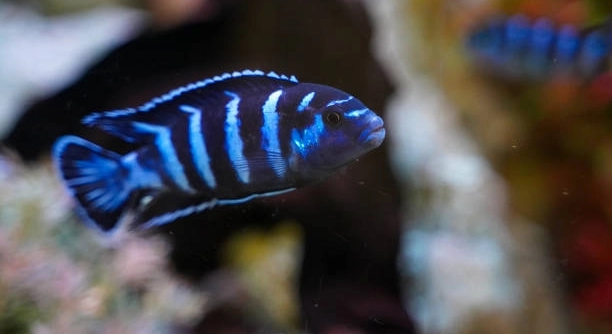
Is your cichlid tank looking cloudy even though you’re doing everything right? You’re not alone—many aquarists run into this issue.
Cloudy water in cichlid tanks is usually caused by bacterial blooms, overfeeding, poor filtration, substrate disturbances, or chemical imbalances. Each of these factors can contribute to murky water and stress your fish.
These common causes are easy to fix once you know what to look for and how to make small, steady changes.
Bacterial Blooms
Bacterial blooms are one of the most common reasons for cloudy water in cichlid tanks, especially in newly established setups. These blooms occur when beneficial bacteria multiply rapidly, usually due to an excess of organic waste in the tank. This often happens during the nitrogen cycle or when there’s a sudden spike in waste from overfeeding or dead plant matter. The bloom creates a milky or hazy appearance that may look concerning but is typically harmless to your fish if addressed quickly. Maintaining stable water parameters, performing regular water changes, and avoiding unnecessary feeding can help reduce the risk. If your tank is new, allow it to fully cycle before adding too many fish. Avoid using water clarifiers as a quick fix—these products might only mask the issue without addressing the root cause. Give the tank time to stabilize and avoid disrupting the filter media, which houses essential bacteria.
Wait for the bacteria to balance naturally before trying additional treatments.
In some cases, bacterial blooms may return even in established tanks. This often points to a disruption in the biological filter or a recent cleaning that removed beneficial bacteria. When this happens, check your filter media and avoid cleaning everything at once. You can rinse filter sponges gently in tank water during a water change, but avoid using tap water, which contains chlorine that can kill the bacteria. If you’ve recently added new fish, check your ammonia and nitrite levels, as an increase in bio-load can cause the bacteria to react. Cloudiness caused by bacterial blooms will generally clear up on its own within a few days once the tank rebalances. In the meantime, ensure oxygen levels are stable and monitor fish behavior. If you see signs of distress like gasping or clamped fins, take action by testing the water and doing partial water changes as needed.
Overfeeding and Waste
Feeding too much at once can make your water cloudy fast. Leftover food breaks down quickly, producing waste and feeding bacterial growth.
Cichlids are messy eaters, and their high-protein diet means more waste output. If uneaten food is left to decay in the tank, it can cause a spike in ammonia levels, which then fuels a bloom of bacteria and cloudy water. Overfeeding also places extra strain on your filtration system, reducing its efficiency over time. It’s important to feed your fish in small amounts they can finish within two to three minutes. Watch how much they eat and adjust your portions as needed. You should also vacuum the substrate weekly to remove hidden waste particles. This prevents decaying matter from building up. Using sinking pellets or feeding rings can help reduce scattered food. Keeping a regular feeding schedule and avoiding “just in case” extra feedings will go a long way in preventing cloudy water caused by excess waste.
Poor Filtration
Inadequate or clogged filters allow waste and debris to remain in the tank, which can cause cloudy water. A filter that’s too weak for your tank size won’t process waste properly, leading to dirty and unstable conditions.
Make sure your filter is rated for your tank’s volume and bioload. Cichlids are large, active fish that produce a lot of waste, so filtration needs to be strong and consistent. Clean the filter media regularly using tank water to avoid killing beneficial bacteria. If you’re using mechanical, chemical, and biological filtration, all three should be maintained routinely. Avoid changing all filter components at once—rotate them to maintain stability. If your filter output is reduced or noisy, it may be clogged and in need of cleaning. Filters also lose power over time, so check for performance drop-offs every few months and replace or upgrade as needed to maintain clear water.
Having a backup sponge filter or adding a secondary unit can help if your current filter isn’t keeping up. You might also benefit from adding more surface agitation to increase oxygen levels and improve bacterial efficiency. Make sure filter sponges, cartridges, or ceramic rings are not packed too tightly, as this can reduce water flow and limit effective filtration. If you’re still getting cloudy water after cleaning the filter, it may be time to upgrade to a canister filter or power filter that better handles your tank’s needs. Avoid overloading the tank with too many fish or decorations that block flow. A well-sized and properly maintained filter should keep your cichlid tank water clear and healthy.
Substrate Disturbance
Stirring up the substrate during cleaning or from fish activity can cause fine particles to float in the water. These particles are often too small to settle quickly and can linger, making the tank appear cloudy.
Using sand or fine gravel is common in cichlid tanks, but it stirs up easily. Avoid aggressive vacuuming near the bottom, and let the filter do the work after small cleanings.
Chemical Imbalances
Ammonia spikes, high nitrites, or fluctuating pH can disrupt water clarity and stress fish. Testing your water weekly helps catch changes early. Use a liquid test kit rather than strips for more accurate results. If needed, perform partial water changes to restore balance. Add dechlorinator if using tap water.
Overstocking
Too many cichlids in one tank leads to more waste, increased aggression, and overworked filters. Even if your water looks clean initially, the buildup can catch up fast. Keep stock levels reasonable for your tank size.
FAQ
Why is my cichlid tank water cloudy after a water change?
Cloudy water after a water change often happens because the new water chemistry is different from the tank water. This can shock the beneficial bacteria, causing a temporary bacterial bloom. Using water conditioner and matching the temperature and pH of the new water to the tank helps reduce this. Also, avoid changing too much water at once—around 20-30% is usually safe.
Can cloudy water harm my cichlids?
Cloudy water itself is not usually harmful, but it often indicates underlying problems like high ammonia or poor filtration. These issues can stress your fish and lead to illness if not fixed. Keep an eye on water parameters and fish behavior to catch problems early.
How long does it take for cloudy water to clear up?
The time varies depending on the cause. Bacterial blooms usually clear within a few days once the tank stabilizes. If the cloudiness is due to substrate disturbance or overfeeding, it may clear faster after cleaning and water changes. Persistent cloudiness could mean filtration or chemical imbalances need attention.
Should I use water clarifiers to fix cloudy water?
Water clarifiers can temporarily clear the water by clumping small particles, making them easier to filter out. However, they don’t solve the root cause, such as excess waste or poor filtration. Use them sparingly and focus on proper tank maintenance instead.
How often should I clean my filter to prevent cloudy water?
Cleaning frequency depends on your tank size, fish load, and filter type. Generally, rinse filter media every two to four weeks in tank water during water changes. Avoid cleaning everything at once to preserve beneficial bacteria. Overcleaning or using tap water can disrupt the biological balance.
Can adding plants help prevent cloudy water?
Live plants absorb nutrients and waste, reducing algae growth and improving water quality. They can help stabilize the tank environment and reduce the chances of cloudy water caused by excess organic matter. Choose plants that thrive in cichlid tanks, like Anubias or Java fern, which tolerate their water conditions well.
Is cloudy water a sign of disease in cichlids?
Not directly. Cloudy water usually points to water quality issues rather than disease. However, poor water conditions can weaken your fish’s immune system and make them more susceptible to illness. Maintaining clean, clear water helps keep cichlids healthy and less prone to infections.
What can I do if my filter isn’t strong enough?
Upgrade to a larger or more efficient filter designed for your tank size and fish load. Adding a secondary filter or sponge filter can improve circulation and biological filtration. Ensure the filter is clean and functioning properly to prevent cloudy water.
How can I avoid substrate disturbance?
Avoid stirring the substrate during cleaning and feed fish carefully to prevent waste buildup. Use a gravel vacuum gently, and do spot cleaning rather than deep substrate agitation. Providing hiding spots with rocks and decorations can reduce fish digging activity.
Why does overstocking cause cloudy water?
Too many fish produce excessive waste, overwhelming the filter and water quality. This creates an environment where bacteria and algae can flourish, causing cloudiness. Keeping a balanced number of cichlids helps maintain clear water and reduces stress on the ecosystem.
These FAQs cover common concerns related to cloudy water in cichlid tanks. Addressing these points helps maintain a healthy, clear environment for your fish.
Maintaining clear water in a cichlid tank takes regular care and attention to several factors. Cloudy water is usually a sign that something in the tank is out of balance. It could be due to overfeeding, poor filtration, or disturbances in the tank’s environment. Each of these causes is manageable once you understand the basics of tank maintenance. Consistent water testing, cleaning, and monitoring your fish’s behavior will help you catch problems early. This helps avoid long-term damage to your fish and their habitat. By keeping things steady and balanced, you support a healthier tank for your cichlids.
It’s important to remember that some cloudiness can be normal, especially in new tanks or right after maintenance activities. New tanks often experience bacterial blooms as the beneficial bacteria establish themselves. This usually clears on its own within a few days. Similarly, some cloudiness may occur if you disturb the substrate during cleaning or add new decorations. These situations usually don’t harm your fish but should be managed by careful cleaning and minimal disturbance. Using water conditioners and matching water parameters during changes also helps maintain stability. Patience is key while the tank adjusts, and avoiding quick fixes will lead to better long-term results.
Ultimately, clear water is not just about appearance—it reflects the overall health of your aquarium environment. Good filtration, appropriate stocking levels, and proper feeding routines are essential. Avoid overfeeding and overcrowding, as these create excess waste that clouds water and stresses fish. Regular maintenance, including filter care and water changes, keeps the tank clean and supports the biological balance needed for healthy fish. With time and attention, you can enjoy a clear, thriving cichlid tank that provides a stable and beautiful home for your fish.

Hello,
If you enjoy the content that we create, please consider saying a "Thank You!" by leaving a tip.
Every little bit helps us continue crafting quality advice that supports the health, happiness, and well-being of pets around the world, for pets of all shapes, sizes, and species.
We really appreciate the kindness and support that you show us!