
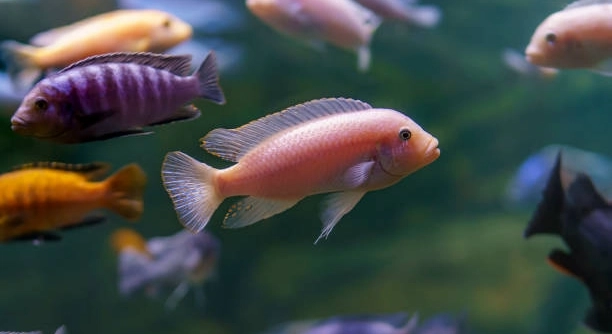
Have you ever noticed your African cichlids moving gravel and digging holes beneath tank decorations for no apparent reason?
African cichlids dig under decorations to establish territory, create hiding spots, and prepare nesting areas. This behavior is instinctive, especially during breeding periods, and helps them feel secure in their environment.
Understanding this natural behavior can help you create a healthier and more suitable habitat for your cichlids.
Why Cichlids Move Gravel and Sand So Often
African cichlids are highly territorial fish, and their digging behavior often reflects that. In their natural habitat, these fish move sand and gravel to claim space, create nests, or build hiding spots. In a home aquarium, this instinct doesn’t go away—they’ll push substrate aside to make room for their preferred layout. Sometimes, they dig to uncover food or simply out of boredom, especially if there isn’t enough stimulation in the tank. You might see them rearranging tank décor, burrowing under rocks, or creating pits. These activities help them feel more secure and are part of their daily routine.
This natural behavior may seem messy, but it’s important for their comfort and health.
Make sure the tank setup allows for safe digging. Use smooth substrate, avoid sharp-edged decorations, and ensure large rocks are stable. Unstable decorations can collapse and cause injury or block access to areas your fish consider essential.
How to Support Their Digging Instincts
Digging is a healthy part of your cichlid’s daily life and should be supported rather than discouraged.
To help them feel comfortable, start by choosing the right substrate. A fine, soft sand is ideal because it allows them to dig without injury. Avoid gravel that’s too large or rough, as it may limit their digging or hurt their mouths. Decorations should be heavy enough to stay in place or securely anchored to avoid shifting. If you’re including caves or rocks, stack them before adding substrate so that any digging won’t cause collapse. Try to offer a variety of hiding places throughout the tank, especially if you have more than one cichlid. This reduces territorial stress and gives each fish its own space. Also, rearranging decorations occasionally can help reduce aggression and mimic the changing environment of a natural lake bed. Maintaining these elements supports their natural behaviors and keeps them engaged and active.
What Digging Means During Breeding
During breeding, digging becomes more focused and purposeful. Males often clear spaces under decorations or in open sand to attract females and prepare a spawning site. Females also dig to create safe areas for laying eggs or protecting fry.
These nesting pits are usually created in secluded parts of the tank where the fish feel secure. After laying eggs, some species keep the fertilized eggs in their mouths, while others guard them in the pit. Either way, digging helps keep the eggs in a safe, clean area. You may also notice increased aggression during this time, as cichlids become more protective of the nesting zone. Rearranging the tank during breeding isn’t recommended unless necessary, as it could disturb the established breeding site. Offering flat rocks, stable caves, or smooth decorations near the substrate can help your fish find ideal spots to carry out these natural behaviors with less stress.
It’s common for cichlids to dig even more if they feel threatened during breeding. Make sure there’s enough space and visual barriers to reduce stress and aggression between tank mates. Tank mates that aren’t breeding can still be seen as threats, so extra caves or tall decorations can help block line of sight. Monitoring their behavior ensures a safer breeding environment.
When Digging Becomes a Problem
Digging can turn problematic if it leads to unstable decorations, trapped debris, or excessive territorial aggression. Some fish may dig so much that filter intakes get exposed or tank structures shift. These issues need quick adjustments.
If you notice constant rearranging that affects water quality or the safety of the setup, start by checking that decorations aren’t too light or easily moved. Add heavier pieces or place them directly on the tank bottom before pouring in the substrate. Also, check your filtration system—digging can kick up debris and clog filters faster. When possible, spread out territories using more hiding places to reduce stress and conflict. Limit breeding triggers like high temperatures or extended light periods if you want to reduce intensity. Tank size matters too. Crowded tanks increase digging from stress, not just instinct. A balanced layout makes your cichlids feel secure without causing instability.
How Tank Setup Affects Digging
Tank layout plays a big role in how much your cichlids dig. Open space, soft substrate, and loosely placed decorations encourage more movement. On the other hand, cramped or unstable setups may trigger stress-related digging.
Proper lighting, stable temperature, and low noise levels also help reduce anxious behavior.
The Role of Boredom and Stimulation
Lack of stimulation can cause your cichlids to dig more than usual. When there’s not enough environmental variety, they’ll dig to entertain themselves. Adding plants (real or fake), tunnels, or caves gives them something else to explore. Rearranging decorations once in a while can also reduce repetitive digging. Feeding routines matter, too—try to include occasional treats or target feeding to keep them mentally engaged. Bored cichlids may also become more aggressive, especially in a limited space. Offering both visual and physical barriers can help reduce constant digging and fighting. A stimulating tank setup gives your cichlids healthy outlets for their energy.
Why Stability Matters
Loose rocks and light decorations are risky when your cichlids dig underneath them. Always secure tank items to avoid collapse or injury.
FAQ
Why do African cichlids dig so much compared to other fish?
African cichlids are naturally more territorial and active in managing their environment. In the wild, they dig to claim space, build nests, and search for food. That same behavior carries into aquariums. They instinctively dig out areas to hide or rest, especially when they’re feeling stressed or are preparing to breed. Other fish species might not have such strong environmental instincts, so their behavior seems calmer by comparison. Cichlids are also more intelligent and curious, which leads them to interact with their space more often than passive species.
Can digging be reduced without stressing the fish?
Yes, but only if it’s done carefully. You don’t want to stop them from expressing natural behavior, but you can adjust the tank to make digging less disruptive. Provide secure decorations, solid rocks, and soft sand so that digging won’t cause mess or safety problems. Also, use wide, flat decorations that sit directly on the tank bottom to prevent shifting. Rearranging the tank too often can cause more digging from stress, so changes should be minor. Spreading out territory and adding hiding spots can help lower the need to dig defensively.
Is digging always a sign of breeding behavior?
No, not always. While digging can signal breeding activity, it’s also linked to regular territorial behavior, boredom, or tank changes. Males might dig more when trying to attract a female, but even single cichlids will dig to create a space that feels safe. If you notice increased aggression, pairing, or guarding behavior near pits, then breeding might be starting. But without these signs, digging is just part of their natural instincts. It’s important to look at the full behavior pattern rather than focus only on one action like digging.
Should I worry if the tank looks messy from all the digging?
It’s normal for the tank to look messy sometimes. Cichlids don’t care about clean lines or centered décor—they care about comfort and security. If they keep moving sand or gravel to one side or leave pits under decorations, it’s part of their nature. Only worry if digging causes equipment issues, unstable decorations, or water quality problems. You can gently fix areas that interfere with filtration or safety, but avoid constant rearranging, as that can stress the fish even more. A slightly messy tank can still be a healthy and happy one.
How do I know if the digging is from stress or boredom?
Watch for other signs. If your cichlids are pacing, hiding constantly, or acting aggressively, stress could be involved. Boredom often comes with repetitive digging in the same spots and no interest in other tank features. Try adding enrichment like floating plants, new hiding places, or slightly changing the layout to see if the behavior shifts. Stress-related digging can come from overcrowding, poor water quality, or unsuitable tank mates. Testing the water and watching fish interactions can help you figure out what’s behind the behavior and if a change is needed.
Can digging damage my tank equipment?
Yes, it can. If they dig too close to the filter intake or under heaters, it can expose sensitive equipment or create uneven heat and water flow. Make sure all equipment is securely placed and away from the bottom or sides where they dig most often. You can also protect inlets with a sponge pre-filter or use barriers to block access to those areas. Regular tank checks will help you catch problems early before they affect your fish or your tank’s performance. Minor adjustments can go a long way in keeping everything safe.
Final Thoughts
African cichlids are naturally active and territorial fish. Digging under decorations is a normal part of their behavior. It helps them create safe spaces, mark territory, and prepare for breeding. This instinctive action may seem messy, but it serves a real purpose. In the wild, these behaviors keep them protected and comfortable. In your tank, they still follow those same habits, even if there are no threats. Understanding why they dig makes it easier to manage your setup and avoid problems. It also helps you create a space where your cichlids feel safe and less stressed.
The key is to set up your tank in a way that supports their instincts without creating danger. Decorations should be stable, heavy, or well-anchored. Place large rocks or structures on the bottom of the tank before adding the substrate. Use soft sand instead of coarse gravel, so they can dig without hurting themselves. Spread out hiding places and include visual barriers to reduce aggression. Watch for signs of stress, like constant digging in one area or aggression toward other fish. If they’re digging more than usual, check for water issues, crowding, or lack of stimulation. These small checks can make a big difference in how your tank runs.
Digging doesn’t always mean something is wrong. It’s part of what makes African cichlids interesting to watch. It shows their intelligence, instincts, and need for control over their space. Instead of trying to stop the digging, focus on guiding it. Give them a layout they can safely move around in, with enough space and variety to keep them engaged. A well-planned tank allows them to express natural behavior without causing damage or stress. By learning how to support this need, you can enjoy a healthier, more balanced aquarium and happier fish. Letting your cichlids dig safely is one of the best ways to respect what makes them unique.

Hello,
If you enjoy the content that we create, please consider saying a "Thank You!" by leaving a tip.
Every little bit helps us continue crafting quality advice that supports the health, happiness, and well-being of pets around the world, for pets of all shapes, sizes, and species.
We really appreciate the kindness and support that you show us!