
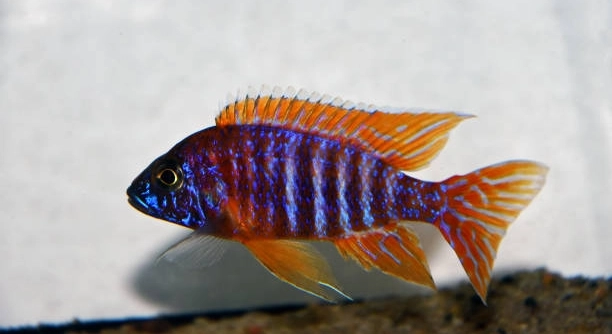
Are your cichlid fish showing signs of stress or unusual behavior in their tank? Many aquarium owners face challenges when the tank becomes too crowded for their fish to thrive. Proper space is essential for healthy and happy cichlids.
A crowded cichlid tank limits swimming space, increases waste buildup, and causes stress among fish. These conditions lead to aggressive behavior, weakened immune systems, and higher chances of disease, all of which negatively impact the overall health of your aquarium community.
Recognizing these signs early can help you create a better environment for your cichlids and maintain a balanced tank.
Limited Swimming Space
When a cichlid tank becomes overcrowded, the first thing you’ll notice is a lack of swimming space. Cichlids are active fish that need room to explore and establish territories. Without enough space, they become stressed, which affects their behavior and health. In a crowded tank, fish may swim less or constantly compete for areas to settle. This can cause fights or aggressive chases. Over time, limited movement weakens their muscles and immune systems, making them more vulnerable to illness. It also affects how they eat and interact with one another. Maintaining an appropriate fish-to-space ratio is important to avoid these problems and give each cichlid enough room to feel secure.
Crowded tanks cause fish to become restless or aggressive due to restricted space, making daily tank life difficult for them.
Recognizing this early allows you to adjust the number of fish or increase tank size. Adding plants or decorations can help create natural boundaries, easing territorial disputes. Regular observation helps spot behavioral changes linked to limited swimming room. Providing enough space supports your cichlids’ well-being and helps maintain a peaceful aquarium.
Increased Waste and Water Quality Issues
Overcrowding in a cichlid tank leads to a rise in waste production. More fish means more waste, including uneaten food, fish excrement, and decaying plant matter. This excess waste breaks down and releases harmful substances like ammonia and nitrites into the water. These chemicals can quickly build up and poison your fish if not properly managed. The filtration system may become overwhelmed, struggling to keep the water clean and clear. Poor water quality causes stress and diseases in cichlids. It also makes maintaining stable water parameters difficult, which are crucial for their survival. Regular water changes and monitoring are necessary but may not be enough if the tank is too crowded. Keeping the fish population in balance helps prevent dangerous spikes in toxins and supports a healthier tank environment.
Proper tank management and knowing the right fish count keep water conditions safe and comfortable.
When the tank is overcrowded, the waste production often exceeds what filters can handle, leading to a rapid decline in water quality. This puts constant pressure on your filtration system and makes frequent water changes mandatory. If you notice cloudy water, foul odors, or algae blooms, these are clear signs of poor water conditions caused by overcrowding. Cichlids exposed to poor water quality may develop infections, suffer from fin rot, or show signs of lethargy. It is essential to maintain a clean and balanced environment by limiting the number of fish or upgrading filtration systems. Regular testing for ammonia, nitrites, and nitrates helps you stay ahead of water quality issues before they become serious problems. By managing waste and water quality effectively, your cichlids can live longer, healthier lives.
Signs of Aggression
Aggression increases in overcrowded cichlid tanks. Fish fight more often, causing injuries and stress.
When space is limited, cichlids compete fiercely to defend territories or find hiding spots. This leads to constant chasing, nipping, and biting among fish. Weaker or smaller cichlids often get bullied or injured. Such aggression causes stress, reducing their ability to fight off illnesses. Overcrowding also disrupts social hierarchies, making conflicts more frequent. Aggressive behavior can damage fins and scales, leading to infections. Watching for these signs helps you act before injuries worsen. Providing more space or rearranging the tank can reduce tension. Properly sized tanks with fewer fish lower aggressive encounters and create a calmer environment.
Injuries from fights may lead to open wounds or torn fins. This can encourage disease spread and weaken the entire tank population. Preventing overcrowding is key to minimizing these risks and protecting your cichlids’ health.
Stress and Weakened Immunity
High fish density increases stress in cichlids, weakening their immune response. Stress hormones rise, making them vulnerable to disease.
Stress caused by overcrowding impacts fish health more than many realize. It disrupts normal behaviors like feeding and resting, which are vital for recovery and growth. When cichlids constantly feel threatened or cramped, their bodies produce stress hormones such as cortisol. These hormones suppress immune functions, lowering resistance to infections. Stressed fish are more prone to bacterial, fungal, and parasitic diseases. Even minor illnesses can become severe in this state. Reducing crowding helps maintain a stable, low-stress environment that supports immune health. Monitoring fish behavior and adjusting tank conditions improves their resilience.
Creating space and minimizing conflicts helps fish stay strong and resist common tank illnesses. Good water quality and nutrition also support their immune systems.
Poor Growth and Development
Overcrowded tanks often cause slower growth in cichlids. Limited space and stress affect their development.
When fish compete for food and space, weaker individuals may eat less and fail to grow properly. Stress from overcrowding diverts energy away from growth toward survival. This results in smaller, less healthy fish that are more prone to disease. Proper tank size and stocking levels ensure all cichlids get enough food and room to grow well.
Increased Disease Risk
Crowded conditions promote the spread of diseases among cichlids. Close contact makes infections more common.
Poor water quality and stress weaken fish immune systems, allowing pathogens to thrive. Disease outbreaks often start in crowded tanks and spread quickly. Prevention involves reducing crowding, maintaining clean water, and observing fish regularly for early signs of illness.
Hiding and Lethargy
Fish may hide more or become lethargic in crowded tanks. Stress and lack of space reduce their activity.
How many cichlids can I keep in my tank?
The number of cichlids you can keep depends on the tank size and species. A general rule is one inch of fish per gallon of water, but cichlids often need more space because they are territorial. For example, a 30-gallon tank is usually suitable for 3 to 5 medium-sized cichlids. Larger species or aggressive types require even more space. Overstocking can lead to stress and health problems, so it’s best to research your specific cichlid species and adjust the population accordingly.
What are the common signs that my tank is too crowded?
Common signs include aggressive behavior, frequent fighting, hiding, sluggish movement, and poor water quality. You may also notice torn fins, faded colors, or fish staying at the surface gasping for air. If your fish seem stressed or sick more often, overcrowding could be the cause. Watching how your fish interact daily helps catch these early signs.
How can I reduce overcrowding without buying a bigger tank?
You can reduce overcrowding by rehoming some fish or upgrading your filtration system to handle higher waste levels. Rearranging decorations and adding plants can also create hiding spots and territories, reducing aggression. Feeding smaller amounts more often prevents food waste and improves water quality. Regular water changes are essential to keep the environment healthy even if the tank is full.
Is it necessary to quarantine new cichlids before adding them to the tank?
Yes, quarantining new fish is important. It prevents introducing diseases or parasites into your established tank. A quarantine tank lets you observe new cichlids for signs of illness and treat them if needed. This step is especially important if your main tank is crowded, as stressed fish are more vulnerable to outbreaks.
What should I do if my fish are already stressed from overcrowding?
Start by reducing the number of fish if possible. Perform frequent water changes and check water parameters regularly. Adding plants or decorations helps create safe spaces. Observe your fish carefully and treat any injuries or diseases promptly. Improving diet with high-quality food supports recovery. If stress continues, consider upgrading your tank to provide more space.
Can overcrowding affect the breeding behavior of cichlids?
Yes, overcrowding often disrupts breeding. Cichlids need space and stable conditions to breed successfully. When the tank is too crowded, they may become too stressed or aggressive, which stops mating behaviors. Providing enough room and hiding spots encourages natural breeding cycles. Removing extra fish before spawning can also improve success rates.
How often should I test the water in a crowded cichlid tank?
In a crowded tank, testing water at least once a week is important. Monitor ammonia, nitrite, nitrate, pH, and temperature regularly. High fish density creates rapid changes in water chemistry, so staying on top of these helps prevent toxic buildup. Frequent testing allows you to take action early if water quality worsens.
Are some cichlid species more tolerant of crowding than others?
Yes, some species tolerate crowding better. For example, African cichlids from Lake Malawi often live in dense groups and can handle closer quarters. However, even tolerant species have limits and require space for territories. South American cichlids tend to be more territorial and need larger areas. Always research your species’ natural behavior before stocking.
What filtration system is best for crowded cichlid tanks?
A strong filtration system with both mechanical and biological filtration is necessary. Canister filters or powerful hang-on-back filters work well. They handle larger waste loads and maintain water clarity. Over-filtration is better than under-filtration in crowded tanks, but be careful not to create too strong water currents, which stress the fish.
How can I encourage peaceful behavior in a crowded tank?
Provide plenty of hiding places like rocks, caves, and plants. Break up open swimming areas to reduce line-of-sight conflicts. Keeping a balanced mix of species with similar temperaments helps. Avoid sudden changes in lighting or environment. Regular feeding reduces competition. Observation and adjusting stocking levels as needed keep peace longer.
Final thoughts are important when caring for cichlid tanks, especially regarding overcrowding. Keeping too many fish in a tank can cause many problems, such as stress, aggression, and poor water quality. These issues harm the fish and make it hard to maintain a healthy aquarium. Paying attention to how many fish you have and their behavior helps avoid these problems. A balanced tank with the right number of fish allows cichlids to live healthier, more peaceful lives. It also makes tank maintenance easier and more enjoyable.
When a tank is too crowded, fish cannot swim freely or establish their own spaces. This often leads to fights and injuries. Stress from crowding lowers their immunity, making them more likely to get sick. Many fish show signs like hiding more, losing color, or acting sluggish when stressed. Keeping the tank size appropriate for the number and type of cichlids helps reduce these issues. You can also add decorations and plants to create hiding spots and break up territories. These small changes improve fish behavior and reduce conflicts.
Maintaining good water quality is key in any aquarium but especially in crowded ones. More fish produce more waste, which can build up harmful chemicals if not managed. Regular water testing and cleaning help keep the water safe. Using a strong filtration system designed for your tank size and stocking levels makes a big difference. Feeding fish properly and not overfeeding also helps reduce waste. If problems persist, reducing the number of fish or upgrading the tank is necessary. Thoughtful care and attention to space, water quality, and fish behavior will help your cichlids thrive.

Hello,
If you enjoy the content that we create, please consider saying a "Thank You!" by leaving a tip.
Every little bit helps us continue crafting quality advice that supports the health, happiness, and well-being of pets around the world, for pets of all shapes, sizes, and species.
We really appreciate the kindness and support that you show us!