
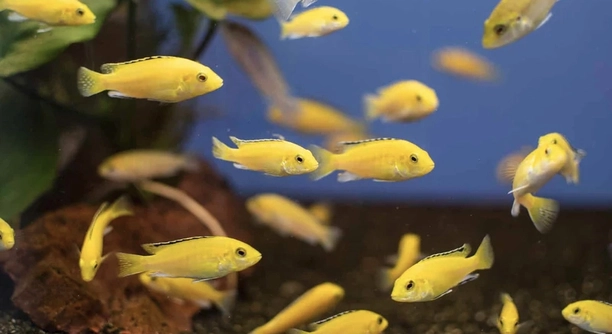
Many African cichlid owners notice their fish sometimes appear pale or lose their bright colors. This change can be worrying, especially when you want your aquarium to look lively and healthy. Pale coloration often signals something important about the fish’s condition.
Paleness in African cichlids is usually caused by stress, illness, poor water quality, or improper diet. Changes in environment or tank conditions can weaken their immune system, leading to faded colors as a natural response to unfavorable factors.
Understanding why your cichlid looks pale will help you take the right steps to restore its vibrant colors and maintain a healthy tank environment.
Common Causes of Pale Coloration in African Cichlids
African cichlids can lose their vibrant colors for several reasons, often related to their environment or health. One common cause is stress, which may come from overcrowding, aggressive tank mates, or sudden changes in water conditions. Stress affects their immune system, making it harder for them to maintain bright colors. Poor water quality is another major factor; high levels of ammonia, nitrites, or nitrates can harm the fish, causing paleness and lethargy. Diet also plays an important role—lack of essential nutrients like carotenoids can dull their coloration. Illness or parasites can be the reason too, often showing up alongside pale colors with other symptoms like unusual behavior or spots. Paying attention to these factors can help maintain your cichlid’s health and natural beauty.
Tank maintenance is key to preventing many of these issues. Regular water changes and monitoring water parameters keep the environment stable and safe.
A well-balanced diet and a stress-free tank are essential for keeping African cichlids bright. Providing proper food rich in vitamins, along with stable water conditions and compatible tank mates, helps your fish show their best colors consistently.
How Stress Affects Color in African Cichlids
Stress directly impacts an African cichlid’s ability to display vivid colors. When fish feel threatened or uncomfortable, their bodies reduce pigment production as a protective response. Stress can come from many sources, including poor water quality, aggressive neighbors, or sudden environmental changes. Over time, stressed fish may become pale and weak. Reducing stress by improving tank conditions, ensuring enough space, and choosing peaceful companions is essential for vibrant colors. Regular observation helps catch early signs of stress before it affects the fish’s appearance seriously. Maintaining a calm environment will help your cichlid regain and keep its beautiful coloration.
Water Quality and Its Impact on Color
Poor water quality is a major reason why African cichlids lose their bright colors. Ammonia, nitrites, and nitrates build up quickly in tanks and stress the fish. This causes their colors to fade as their health declines.
Regular testing and cleaning are crucial to keeping water safe. Ammonia and nitrite levels should always be at zero, while nitrate levels must stay low. Using a good filtration system helps remove harmful chemicals and waste. Water changes of about 20-30% weekly are important to keep the environment stable and comfortable for your cichlids. Stable pH and temperature also play a role, as sudden shifts cause stress that dulls color. Proper water care ensures your fish stay healthy and vibrant.
Neglecting water quality leads to long-term problems. Even slight imbalances can reduce your cichlid’s immunity and make them more prone to diseases. Clear, clean water is key to their well-being and color retention.
Diet and Nutritional Needs
A poor diet can cause African cichlids to look pale and weak. They need foods rich in carotenoids and vitamins to maintain their natural color. Feeding only flakes or pellets without variety often leads to dull colors.
Offering a mix of high-quality cichlid pellets, frozen or live foods like brine shrimp and bloodworms, and vegetables helps meet their nutritional needs. Fresh vegetables like spinach or peas provide fiber and vitamins, supporting overall health. Carotenoids found in shrimp and other crustaceans enhance red and orange tones. Feeding small amounts several times a day encourages natural behavior and keeps fish active and colorful.
Overfeeding can cause water pollution and stress, harming color as well. Balanced portions and varied diet choices promote strong, vibrant cichlids that show off their best hues. Proper nutrition works hand in hand with water quality and stress reduction to keep your fish healthy and colorful.
Illness and Parasites
Illnesses and parasites often cause African cichlids to lose their color quickly. Infections like ich or bacterial diseases make fish pale and weak. Early detection is important to prevent serious damage.
Parasites irritate the skin and gills, leading to stress and faded colors. Treatment should start as soon as symptoms appear to protect your fish.
Lighting Effects on Color
Proper lighting enhances the natural colors of African cichlids. Too much or too little light can cause fading. Using aquarium lights designed for freshwater fish helps maintain their vibrant appearance.
Balanced lighting mimics their natural habitat, reducing stress and encouraging bright coloration. Adjust light duration and intensity based on species needs for the best results.
Tank Setup and Decoration
The environment inside the tank affects how colors show. Darker backgrounds and natural rocks can make colors pop more, while overly bright or plain setups may wash out hues.
Creating hiding spots reduces stress and helps fish feel secure, which supports better coloration over time.
FAQ
Why does my African cichlid look pale even though the water looks clean?
Sometimes water can appear clear but still have harmful chemicals like ammonia or nitrites that are invisible to the eye. These substances stress your fish and cause their colors to fade. Regular water testing is necessary, as clean-looking water isn’t always safe.
Can stress from tank mates cause my cichlid to lose color?
Yes, aggressive or territorial fish can stress African cichlids. When stressed, cichlids reduce pigment production, resulting in paleness. Separating aggressive fish or providing enough hiding spots can reduce stress and help restore color.
How often should I change my tank water to keep my cichlid colorful?
Changing about 20-30% of the water weekly is ideal. Frequent water changes remove toxins and keep parameters stable, helping your cichlid maintain vibrant colors and good health.
Is diet really that important for color in African cichlids?
Absolutely. A diet lacking in carotenoids and vitamins will cause colors to fade. Feeding a variety of foods like quality pellets, live or frozen shrimp, and vegetables supports strong coloration and overall health.
Can illness cause color loss without other symptoms?
Yes, sometimes pale coloration is an early sign of illness before other symptoms appear. Watch for changes in behavior or appetite, and treat promptly if you suspect disease or parasites.
Does lighting affect my cichlid’s color?
Proper lighting enhances color, while poor lighting can dull it. Use aquarium lights designed for freshwater fish, and keep a consistent day/night cycle to help your cichlids show their best colors.
How can I reduce stress in my African cichlid’s tank?
Maintain good water quality, avoid overcrowding, choose compatible tank mates, and provide hiding places. Reducing stress helps fish keep their natural coloration and stay healthy.
Can water temperature affect my cichlid’s color?
Yes, sudden changes or extreme temperatures stress fish and cause paleness. Keep water temperature stable within the species’ recommended range to maintain bright colors.
Will my cichlid regain its color after stress or illness?
If the underlying cause is addressed, many cichlids will regain their color over time. Improving water quality, diet, and reducing stress supports recovery and brighter colors.
Should I use color-enhancing products for my cichlid?
Color-enhancing foods or supplements can help but should not replace a balanced diet and good tank care. Relying only on supplements won’t solve deeper problems like poor water or stress.
How long does it take for an African cichlid to regain its color?
This depends on the cause. With proper care, some fish show improvement within days, while others take weeks. Patience and consistent care are essential.
Can genetics affect how bright my cichlid’s colors are?
Yes, genetics play a role in natural coloration. Some fish naturally have brighter or duller colors, but good care helps all cichlids look their best.
Are there certain species of African cichlids that are more prone to fading color?
Some species are more sensitive to water changes or stress, which may make their color fade faster. Researching your specific cichlid species’ needs helps prevent color loss.
Is overcrowding a reason for pale colors?
Yes, overcrowded tanks cause stress, poor water quality, and competition for food. All these factors lead to dull coloration. Providing enough space keeps fish comfortable and colorful.
Can new tank setups cause temporary paleness?
Yes, new tanks often have unstable water conditions or lack beneficial bacteria, stressing fish and causing pale colors. Proper cycling and slow introduction help fish adjust and regain color.
Final Thoughts
African cichlids are beautiful fish known for their bright and striking colors. When they start looking pale, it can be a sign that something in their environment or care routine needs attention. Many factors like stress, water quality, diet, illness, and lighting affect how vibrant these fish appear. Understanding these factors helps create a better home for your cichlids and keeps their colors bright and healthy. Paying close attention to their behavior and appearance can help catch problems early before they become serious.
Maintaining a stable environment is one of the most important things for keeping African cichlids colorful. Regular water testing and partial water changes remove harmful chemicals and keep water parameters balanced. Feeding a varied and nutritious diet provides essential nutrients that support strong coloration. Stress can come from many sources like aggressive tank mates, overcrowding, or sudden changes in the tank. Reducing stress by providing enough space, hiding places, and peaceful companions can help your fish regain their natural colors over time.
Illness and parasites can also cause paleness, so it’s important to observe your fish closely for any signs of sickness. Early treatment is key to preventing further problems. Lighting and tank setup also play a role in how colors show. Proper lighting and a well-decorated tank with natural backgrounds can enhance your cichlids’ appearance. Keeping these factors in balance will not only improve your fish’s colors but also their overall health and happiness. With consistent care and attention, your African cichlids can stay vibrant and lively for many years.

Hello,
If you enjoy the content that we create, please consider saying a "Thank You!" by leaving a tip.
Every little bit helps us continue crafting quality advice that supports the health, happiness, and well-being of pets around the world, for pets of all shapes, sizes, and species.
We really appreciate the kindness and support that you show us!