
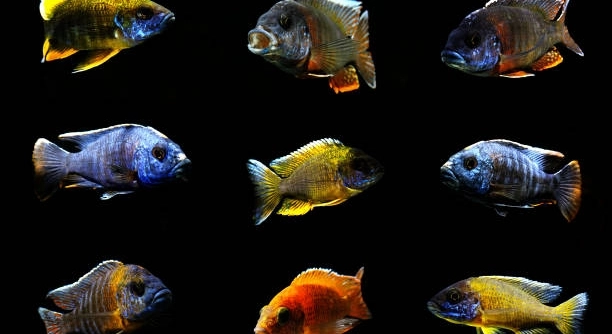
African cichlids are popular fish that many aquarium owners enjoy. These colorful and active fish can bring life to a tank. People often wonder if they can live peacefully with other fish in a community setting.
African cichlids can be kept in a community tank under certain conditions. Their territorial and aggressive behavior requires careful selection of tank mates and sufficient space. Proper management is essential to reduce conflicts and ensure a balanced environment.
Learning how to create a peaceful community tank with African cichlids can improve your aquarium experience and keep all your fish healthy.
Understanding African Cichlid Behavior
African cichlids are known for their bright colors and lively personalities, but they also have strong territorial instincts. In the wild, they defend specific areas and compete for food, mates, and shelter. When kept in an aquarium, these natural behaviors do not disappear. Without enough space or hiding spots, their aggression can increase, leading to stress and injury among tank mates. It’s important to provide plenty of rocks, caves, and plants to mimic their natural habitat. This helps reduce fights and gives each fish a place to claim as its own. The more complex the tank environment, the better your cichlids will be able to establish territories without constant conflict. Choosing the right size tank is also critical—larger tanks allow for more space and reduce stress. Being aware of these behavioral traits can help you create a more peaceful community tank with African cichlids.
A spacious tank with enough hiding spots reduces aggression and helps African cichlids coexist more peacefully.
Setting up a tank for African cichlids requires balancing their territorial nature with the needs of other fish. Start by choosing tank mates that are similarly sized and semi-aggressive to stand their ground. Avoid smaller, timid fish, as they may be bullied or stressed. Monitoring behavior after introducing new fish is essential. Watch for signs of excessive aggression and be ready to separate fish if necessary. Proper feeding routines also help reduce competition. Feeding small amounts multiple times a day keeps everyone satisfied. Finally, keeping water conditions stable and clean supports healthy fish and lowers stress, making the environment friendlier for all inhabitants.
Choosing Suitable Tank Mates
Picking the right tank mates for African cichlids is key to a peaceful community tank. Compatible fish usually share similar temperaments and size. Avoid very passive or tiny fish because they can become targets.
Some good choices include other African cichlids from similar regions, larger catfish, and certain types of plecos. These species can handle the cichlids’ assertiveness and maintain their own territories. It’s best to avoid mixing fish from very different habitats or with very different behaviors, as this can cause stress and aggression. Always research each species carefully and consider how they will interact in your specific tank setup before adding them.
Tank Setup Tips for African Cichlids
A proper tank setup is vital to keep African cichlids happy and reduce aggression. The tank should have plenty of rocks, caves, and hiding spots.
Rocks and caves give cichlids territories they can defend, which helps reduce fights. Plants can be added, but avoid delicate ones since cichlids like to dig. Substrate should be sandy or fine gravel to mimic their natural environment. Good water filtration and regular maintenance keep water clean and stable, which lowers stress.
Water parameters must be suitable for African cichlids. They prefer a pH between 7.8 and 8.6 and temperatures from 75°F to 82°F (24°C to 28°C). Keeping these conditions steady is important to prevent health issues and aggressive behavior.
Feeding African Cichlids in a Community Tank
Feeding African cichlids properly supports their health and reduces competition. Feed small amounts two to three times a day.
Cichlids need a balanced diet with proteins and vegetable matter. High-quality pellets or flakes designed for cichlids work well. Occasionally offer live or frozen foods like brine shrimp or bloodworms to add variety. Overfeeding should be avoided to maintain water quality and prevent obesity.
In a community tank, make sure all fish get their share by spreading food around. Watching feeding times helps ensure no fish is left out. Proper feeding routines lower aggression by reducing competition over food.
Common Health Issues in African Cichlids
African cichlids can face health problems like ich, fin rot, and swim bladder issues. Early detection is key to treatment.
Maintaining clean water and a balanced diet helps prevent these illnesses. Quarantining new fish before adding them to the tank reduces the risk of spreading diseases.
Water Quality Importance
Good water quality is crucial for African cichlids’ health and behavior. Poor water can lead to stress, disease, and aggression. Regular water changes and testing for ammonia, nitrite, nitrate, and pH keep the environment safe. Using a reliable filtration system also helps maintain stable conditions.
Consistent monitoring and maintenance are essential to prevent sudden changes that harm the fish. A healthy tank leads to happier, more peaceful cichlids.
Signs Your Community Tank Needs Adjustments
If fights increase or fish hide constantly, it’s time to reassess tank setup. Behavioral changes often signal issues with space, water, or compatibility.
FAQ
Can African cichlids live peacefully with other fish?
African cichlids are naturally territorial and can be aggressive, especially males. However, with proper tank size, enough hiding spots, and careful selection of compatible tank mates, they can coexist in a community tank. It is important to avoid very small or very passive fish, as these are often targets of aggression. Keeping similarly sized or semi-aggressive fish helps maintain peace.
What tank size is best for African cichlids in a community?
A larger tank is always better when housing African cichlids with other fish. At least 55 gallons is recommended for a mixed community to allow enough space for territories and reduce stress. More space gives fish room to establish boundaries and reduces the frequency of fights. Providing caves and rocks further divides the space and helps.
How many African cichlids can be kept together?
The number of African cichlids depends on tank size and species. A good rule is one fish per 10 gallons, but aggressive species might require more space. Avoid overcrowding, as it causes stress and increases aggression. Balance numbers so no single fish feels overwhelmed or trapped.
What are the best tank mates for African cichlids?
Tank mates that can handle the cichlids’ assertiveness work best. Other African cichlids from similar habitats, larger catfish like Synodontis, and some plecos are common choices. Avoid small, shy, or slow-moving fish. Research each species’ behavior and water needs to ensure compatibility.
How often should I feed African cichlids in a community tank?
Feeding small amounts two to three times a day is ideal. This keeps the fish well-nourished without polluting the tank. Use high-quality pellets or flakes made for cichlids, and add live or frozen foods occasionally for variety. Spread food evenly to prevent dominant fish from hogging meals.
What signs show African cichlids are stressed?
Common signs include hiding more than usual, faded colors, loss of appetite, and rapid or heavy breathing. Aggressive or lethargic behavior may also indicate stress. Stress often results from poor water quality, overcrowding, or incompatible tank mates. Addressing these issues quickly helps fish recover.
How do I control aggression in a community tank?
Control aggression by providing plenty of space and hiding spots. Keep an appropriate number of fish to avoid overcrowding. Choose tank mates carefully and maintain good water conditions. If fights continue, you may need to separate aggressive individuals or adjust the tank layout.
Can African cichlids breed in a community tank?
Yes, they can, but breeding increases aggression as males guard their nests. Fry survival is harder with other fish present unless the tank has enough hiding places. Some aquarists prefer to move breeding pairs to a separate tank for better protection and higher fry survival rates.
What water conditions do African cichlids need?
They prefer hard, alkaline water with a pH between 7.8 and 8.6. Temperatures should be kept between 75°F and 82°F (24°C to 28°C). Stable water conditions help prevent stress and disease. Regular testing and water changes are necessary to maintain these parameters.
How often should I change the water in a community tank with African cichlids?
A weekly water change of 20-30% is recommended. This keeps nitrate levels low and removes waste. Larger tanks might need less frequent changes, but monitoring water quality is essential. Avoid sudden changes in water parameters, which can stress the fish.
What should I do if a fish is injured after a fight?
Isolate the injured fish in a hospital tank to prevent further harm and to monitor healing. Clean the main tank thoroughly to prevent infections. Treat wounds with appropriate medications if needed. Improving the main tank setup can help reduce future injuries.
Are African cichlids good for beginners?
They can be, but their aggressive behavior requires experience managing tank mates and water quality. Beginners willing to research and commit to proper tank setup and maintenance can enjoy these colorful fish. Starting with less aggressive species or a species-only tank may be easier for new keepers.
Can African cichlids damage plants?
Yes, many African cichlids dig and uproot plants. Hardy plants like Anubias or Java fern attached to rocks may survive better. Using rocks and caves as focal points helps reduce digging in planted areas. Expect some disturbance if you want live plants in their tank.
What is the best way to introduce new fish to an African cichlid tank?
Quarantine new fish for two weeks to avoid introducing diseases. When adding them to the tank, rearrange decorations to disrupt existing territories. Introduce all new fish at once if possible, to reduce aggression caused by established dominance. Watch closely for any signs of bullying.
How can I tell the difference between male and female African cichlids?
Males are often larger and more brightly colored, with longer fins. Females tend to be smaller and duller. Some species show clear physical differences, while others require close observation or professional help to sex. Knowing this helps manage breeding and aggression.
Do African cichlids need special lighting?
Normal aquarium lighting is sufficient. Bright lighting can enhance their colors but should not stress the fish. Provide a light-dark cycle that mimics natural day and night to keep their behavior natural. Avoid sudden or very intense lighting changes.
African cichlids are striking fish that can add a lot of color and energy to a community tank. Their natural behavior includes defending territories and sometimes showing aggression, which means you need to plan carefully before adding them to a tank with other fish. Proper tank size, enough hiding spots, and the right choice of tank mates all play important roles in keeping the peace. It’s not always easy, but with patience and attention, you can create a balanced environment where cichlids and other fish live together comfortably. This makes your aquarium more interesting and enjoyable to watch.
Setting up the tank the right way is just as important as choosing the right fish. African cichlids like having plenty of rocks, caves, and places to hide or claim as their own. This helps reduce stress and aggressive behavior. Also, maintaining good water quality is essential. Keeping the pH and temperature stable, changing water regularly, and using a good filter will help your fish stay healthy and less prone to illness or fights. Feeding them a balanced diet and making sure all fish get enough food also reduces tension during feeding times. When you care for these details, your cichlids will show their best colors and lively behavior.
If you are new to keeping African cichlids, it’s a good idea to start slowly and learn how they behave. Watch for signs of stress or fights and be ready to make changes if needed. Sometimes you may have to separate more aggressive fish or rearrange the tank to give everyone enough space. Breeding can also cause more aggression, so take care if you want to raise fry. In the end, African cichlids can thrive in a community tank if you pay attention to their needs and create an environment that helps all fish coexist. This effort can bring a rewarding experience and a beautiful, lively aquarium to enjoy.

Hello,
If you enjoy the content that we create, please consider saying a "Thank You!" by leaving a tip.
Every little bit helps us continue crafting quality advice that supports the health, happiness, and well-being of pets around the world, for pets of all shapes, sizes, and species.
We really appreciate the kindness and support that you show us!