
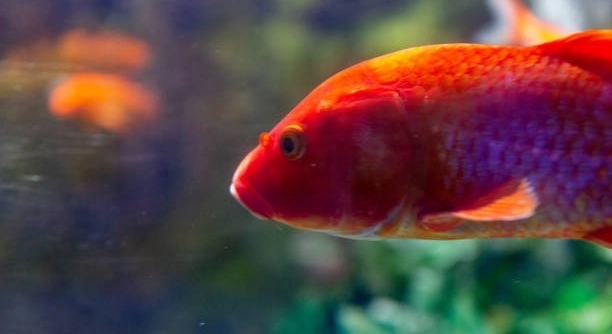
African cichlids are popular aquarium fish known for their vibrant colors and interesting behaviors. One such behavior is burying their food, which often surprises fish owners. This article explores why these fish engage in this unique habit.
African cichlids bury their food primarily to protect it from other fish and to store it for later consumption. This behavior also helps them keep their territory clean and reduces the risk of attracting predators or scavengers in their environment.
Understanding why these fish bury food can improve how you care for them and create a healthier, more natural aquarium setting. The reasons behind this behavior reveal much about their instincts and environment.
Food Storage and Safety
African cichlids often bury their food to keep it safe for later. In their natural habitats, food can be scarce, so saving some for later helps them survive. By hiding uneaten food in the substrate, they prevent other fish or animals from stealing it. This behavior shows how careful they are about their resources. Also, food left out in the open can attract unwanted attention from predators or scavengers. Burying food helps keep the cichlid’s area secure. In aquariums, this instinct remains strong, even if food is plentiful. Owners may notice cichlids digging and covering food with substrate, showing how natural instincts persist in captivity. This habit also reduces waste and keeps the tank cleaner, as food doesn’t float around or rot quickly. It is a practical way the fish manage their environment and protect their nutrition.
Burying food helps African cichlids protect their resources and keep their territory safe from other fish and threats.
This natural behavior is a survival tactic that has carried over from their wild environment. Understanding this can help aquarium owners provide a better setting. It also explains why they sometimes dig up substrate, which might seem odd but is perfectly normal for these fish.
Reducing Waste and Maintaining Cleanliness
African cichlids bury food to keep their habitat clean and avoid waste buildup. When food is left floating or sinking, it can quickly decay and pollute the water. By covering leftover food, cichlids help slow down this process, maintaining better water quality. This behavior also reduces harmful bacteria and algae growth caused by leftover food. In the wild, clear water is essential for survival, helping cichlids see predators and prey. The instinct to keep their environment clean continues in home tanks. Some cichlids even use this habit to avoid drawing attention from other fish. In this way, burying food serves as both a protective and a hygiene function, helping fish stay healthier. Tank owners can appreciate this behavior as part of how cichlids naturally manage their surroundings and promote balance in the aquarium ecosystem.
Instinctual Behavior and Territory
African cichlids bury food as a way to protect their territory. This action marks their space and discourages other fish from entering. It shows how strongly territorial these fish can be in their natural environment and in aquariums.
This behavior helps cichlids feel secure in their home area. By hiding food, they create a personal store that belongs only to them. It is also a warning to other fish to respect their space. In the wild, competition for resources is fierce, so protecting food by burying it gives them an advantage. This instinct continues even in tanks, reflecting their natural habits.
Burying food reinforces boundaries and reduces conflicts with tank mates. It is part of how cichlids communicate and manage their environment. Owners who notice this behavior can better understand their fish’s social dynamics and territorial needs.
Feeding Strategy and Adaptation
Burying food allows African cichlids to control when and how they eat. It helps them manage their energy by saving food for times when it’s harder to find.
This feeding strategy is an important survival adaptation. In the wild, food availability is not constant, so cichlids develop ways to store resources. By burying food, they can return later when they need it, avoiding hunger during lean periods. This method also reduces waste and competition, since hidden food is less accessible to others. Over time, this behavior became a natural response to environmental challenges. Even in captivity, where food is regularly provided, the instinct remains. Recognizing this helps owners support natural behaviors and create a more suitable tank setup. It also highlights the complexity behind what might seem like simple actions.
Protecting Against Predators
African cichlids bury food to avoid attracting predators. Food left exposed can signal danger to nearby fish.
By hiding their food, cichlids reduce the risk of drawing unwanted attention. This helps keep them safer in their environment.
Natural Foraging Behavior
Burying food mimics how cichlids search for food in the wild. They dig and sift through the substrate to find hidden meals. This behavior helps them stay active and mentally engaged. Even in captivity, they continue this natural foraging habit to satisfy their instincts.
Avoiding Competition
Burying food helps reduce competition between cichlids and other tank mates. By hiding food, they can keep it for themselves without fighting.
Environmental Enrichment
Burying food provides mental stimulation for cichlids. It encourages natural digging and exploring, which improves their well-being.
FAQ
Why do African cichlids bury their food in the aquarium?
African cichlids bury their food mainly due to instinctual behaviors inherited from the wild. They hide food to protect it from other fish, store it for later, and keep their territory safe. This behavior also helps them avoid attracting predators and keeps their environment cleaner by reducing leftover food waste.
Is it harmful if my African cichlids bury their food?
No, this behavior is not harmful. It is natural and shows they are following their instincts. However, if you notice excessive digging that disturbs plants or decor, consider adjusting the tank setup. Providing enough food and hiding places can reduce stress and help balance their natural habits.
Should I remove buried food from the tank?
It depends on the situation. If the buried food is fresh and will be eaten later, it’s best to leave it. But if it stays buried for a long time and starts to rot, it can pollute the water. Regular tank cleaning and feeding appropriate amounts help prevent buildup and keep water quality high.
Does burying food mean my cichlids are not hungry?
Not necessarily. Burying food is more about saving or protecting it than avoiding eating. They might eat right after burying or come back later. This behavior shows how they manage resources rather than a sign of hunger or health problems.
Can other fish in the tank also bury food?
Yes, some other fish species may bury food, especially bottom dwellers or fish with similar instincts. But African cichlids are especially known for this habit. Watching how different fish interact with food can help you understand their behavior and tank dynamics better.
How can I encourage healthy feeding habits for African cichlids?
Feed them a balanced diet suited to their needs, offering varied food types like pellets, flakes, and occasional live or frozen treats. Feed small amounts more often rather than large meals. This reduces leftover food and encourages natural foraging. Providing a sandy or fine substrate can also support their digging and burying instincts safely.
Does the type of substrate affect food burying behavior?
Yes, substrate plays a big role. African cichlids prefer sandy or soft substrates that are easy to dig into. Rough or sharp gravel can discourage digging and cause injury. Choosing the right substrate helps them express natural behaviors and makes them feel more comfortable in the tank.
What should I do if my cichlids bury too much food and it pollutes the tank?
Adjust feeding amounts to avoid excess food. Make sure you feed only what they can eat within a few minutes. Regularly vacuum the substrate during water changes to remove uneaten buried food. Using a good filtration system also helps maintain water quality and prevent problems from decaying food.
Can burying food be a sign of stress?
Usually, burying food is a normal behavior, but if it increases suddenly or is paired with other signs like hiding, loss of appetite, or aggression, it could indicate stress. Stress might come from overcrowding, poor water quality, or tank mates. Monitoring the tank environment and making adjustments can reduce stress.
Will all African cichlids bury their food?
Most species of African cichlids show this behavior, but some may do it more than others depending on their natural habits. It varies with individual fish and tank conditions. Observing your specific fish helps understand their needs and how they interact with food and the environment.
African cichlids burying their food is a natural and common behavior. This habit comes from their instincts developed in the wild, where protecting food and territory was important for survival. Even though these fish live in aquariums today, many of their natural behaviors remain. Understanding why they bury food can help aquarium owners provide better care and a more comfortable environment for their fish. It shows how complex and interesting these fish are, beyond their bright colors and active swimming.
This behavior also has practical benefits for both the fish and the aquarium itself. By burying food, cichlids help keep their surroundings cleaner by reducing leftover food that could pollute the water. It also helps them avoid conflicts with other fish by keeping food hidden and safe. Recognizing these reasons makes it easier to appreciate the digging and food-covering actions that might otherwise seem odd or messy. Owners can learn to respect this instinct and even support it by choosing the right substrate and feeding habits.
Finally, paying attention to how cichlids bury their food can improve the overall health and happiness of the fish. It helps owners notice when something might be wrong, such as stress or overfeeding. Providing a suitable tank environment with proper substrate, clean water, and a balanced diet encourages natural behaviors and promotes well-being. African cichlids are fascinating creatures, and understanding their habits, like food burying, is a key part of keeping them healthy and thriving in a home aquarium.

Hello,
If you enjoy the content that we create, please consider saying a "Thank You!" by leaving a tip.
Every little bit helps us continue crafting quality advice that supports the health, happiness, and well-being of pets around the world, for pets of all shapes, sizes, and species.
We really appreciate the kindness and support that you show us!