
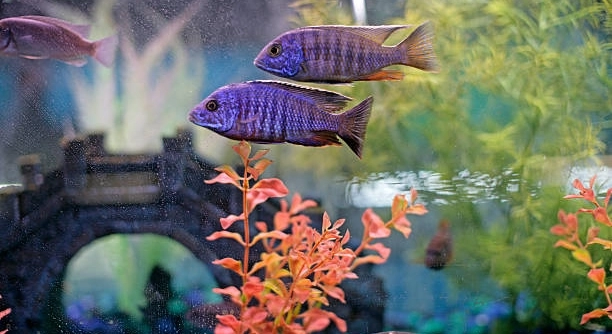
African cichlids are colorful freshwater fish often kept as pets. Many owners enjoy watching their behavior and wonder if these fish can learn patterns over time. Understanding their learning ability helps improve how we care for them.
African cichlids have shown the ability to learn simple routines through repeated exposure and conditioning. Studies indicate that they can recognize feeding times and adapt their behavior accordingly, demonstrating basic cognitive skills necessary for routine learning.
Knowing how African cichlids respond to routines can improve their care and enrich their environment for a healthier life.
How African Cichlids Learn Routines
African cichlids learn routines mainly through repetition and consistent cues. When their environment follows a predictable pattern, like feeding at the same time daily, they begin to recognize these signals. Over time, they associate the sound of food being prepared or a light turning on with mealtime. This learning helps reduce their stress and increases their comfort in captivity. The fish start to swim closer to the surface or the feeding area, showing they expect food. This behavior proves that cichlids can remember events and use that memory to adjust their actions. However, their learning is limited to simple routines, and they rely mostly on immediate repetition. Keeping their environment stable and predictable helps reinforce these routines and can make their behavior easier to understand for caretakers.
These fish learn best when signals are clear and repeated consistently. Random feeding times make it harder for them to form habits.
Providing consistent routines allows African cichlids to adapt quickly and improves their interaction with their environment. Learning helps reduce anxiety and promotes natural behavior, making them more responsive and engaged. The more predictable the routine, the better they perform, showing how intelligence and memory play a role in their daily life. Recognizing their need for regularity can make caring for these fish more rewarding for owners.
Signs African Cichlids Show They’ve Learned a Routine
African cichlids display clear behaviors when they learn a routine. They often gather near the feeding spot just before mealtime. Their movement becomes more active and focused around the expected event.
Over time, cichlids become more attentive to environmental cues related to routine. They may swim toward the surface or front of the tank when they detect sounds or lights associated with feeding. These reactions show they expect what is about to happen. This behavior suggests memory and anticipation based on prior experience. For caretakers, noticing these signs helps confirm that the fish have adapted to the routine. It also allows for better timing and interaction, which supports the fish’s well-being. Watching these subtle changes can be satisfying and encourages maintaining consistent care habits. These signs make it clear that cichlids respond well to structured environments.
Training African Cichlids with Feeding Routines
Consistency is key when training African cichlids to follow a feeding routine. Feeding them at the same time daily helps build their expectation and trust. This creates a peaceful environment for both fish and owner.
Repetition strengthens the learning process. When food is given regularly at certain times, cichlids begin to associate these moments with feeding. Using the same spot and method each time supports this. The fish start to recognize the routine and prepare themselves by swimming near the feeding area or becoming more alert. Avoiding sudden changes in timing helps maintain their understanding and reduces stress. Over time, the routine becomes natural for the fish, and they respond with predictable behavior. This shows that simple habits can be taught effectively through consistency.
In some cases, gentle cues like tapping the tank or switching on a light can signal feeding time. Pairing these cues with food delivery trains cichlids to recognize patterns beyond just timing. This method deepens their learning and makes the routine easier to maintain. Observing their response to cues provides insight into their cognitive abilities and helps improve care routines.
Environmental Factors Affecting Routine Learning
Tank setup and environment strongly influence how well cichlids learn routines. A stable, calm tank supports better learning and reduces distractions.
Stress from poor water quality or overcrowding can interfere with routine learning. If cichlids feel unsafe or uncomfortable, they may ignore feeding cues or become less responsive. Clear water, proper temperature, and enough space make the fish more likely to notice and remember signals. Light cycles also play a role, as consistent day and night periods help regulate their internal clocks. Keeping the tank clean and quiet allows the fish to focus on routine cues. Changes in the environment should be gradual to avoid confusing the fish. Creating a peaceful setting improves their ability to develop and stick to routines.
Challenges in Teaching Routines to African Cichlids
Not all cichlids learn routines at the same pace. Individual differences affect how quickly they adapt. Some may take longer to recognize cues or feeding times.
External factors like sudden noise or tank disturbances can disrupt their learning. Keeping the environment calm helps minimize these challenges.
How Memory Works in African Cichlids
African cichlids rely on short- and long-term memory to learn routines. They remember signals related to feeding for hours or days. This memory allows them to anticipate events and respond accordingly. Their brain processes environmental cues and associates them with food, forming habits. Repetition strengthens these connections. However, memory can fade without consistent reinforcement, so regular routines are important. This ability to remember and learn simple patterns shows their cognitive skills and adaptability within their habitat.
Feeding Tips to Reinforce Routine
Feeding at consistent times and using clear signals helps reinforce routines in African cichlids.
How long does it take for African cichlids to learn a routine?
The time varies depending on the individual fish and consistency of the routine. Generally, cichlids begin showing signs of recognizing feeding times within a few days to a week. Regular feeding at the same time, along with consistent cues like sounds or lights, speeds up this process. Patience is important, as some fish take longer to respond and learn. Avoid changing feeding times abruptly, as this can confuse them and slow down their learning.
Can African cichlids learn to recognize their owner?
While African cichlids don’t form bonds like mammals, they can recognize repetitive cues associated with their owner. For example, they may learn to associate your presence near the tank or certain movements with feeding time. This recognition is based on pattern and routine rather than personal attachment. The fish may swim closer or become more active when they see you approaching, indicating they expect food or interaction.
What kind of cues help African cichlids learn routines best?
Simple and consistent cues work best. Sounds like tapping the tank gently or the sound of a container opening can become signals for feeding. Turning on a specific light or moving to a particular spot near the tank can also serve as visual cues. These signals should be used repeatedly before feeding to strengthen the association. Avoid changing the cues frequently to prevent confusion.
Do African cichlids remember feeding times if the routine is interrupted?
Short interruptions, like a day or two without feeding at the usual time, might not completely erase their memory. However, longer breaks or irregular schedules weaken their ability to recognize the routine. Consistency is key to keeping their memory sharp. If routines are interrupted often, the fish may become less responsive to cues and lose their anticipation behavior.
Is it harmful to feed African cichlids at irregular times?
Feeding irregularly can increase stress and reduce their ability to learn routines. Fish thrive on predictability, which helps lower anxiety and improves overall health. Inconsistent feeding times may cause the fish to become more aggressive or lethargic. Keeping a steady schedule supports their digestion and energy levels, making them more active and responsive.
Can African cichlids learn routines other than feeding?
Their learning mainly focuses on feeding and simple environmental cues. They may also adjust to cleaning schedules or light changes. However, their cognitive abilities are limited compared to mammals, so complex routines are unlikely. Basic habits tied to survival and comfort, such as anticipating food or changes in light, are where their learning is strongest.
How can I improve my cichlids’ ability to learn routines?
Maintain a stable environment with clean water, proper temperature, and enough space. Use clear, consistent cues and feed at the same times daily. Avoid sudden changes or loud noises near the tank. Watching your fish’s behavior can guide you in adjusting the routine to better fit their responses. Positive reinforcement through repeated, gentle signals helps build their memory and trust.
What happens if my cichlids don’t learn the routine?
If your fish don’t seem to respond to routines, it might be due to stress, poor tank conditions, or inconsistent feeding. Check water quality, temperature, and tank size. Ensure the cues and feeding times are regular. Some fish are slower learners or less responsive, but most will show some pattern if given time and proper care. If problems persist, adjusting the routine or consulting a specialist may help.
African cichlids show they can learn simple routines, especially when it comes to feeding times. Their ability to recognize patterns helps them feel more comfortable and less stressed in their environment. When you feed them at the same time every day and use clear signals, they start to expect it. This makes their behavior easier to understand and helps build a connection between you and your fish. Consistency plays a big role in their learning, so keeping a steady routine is important for their well-being.
The environment around the cichlids also affects how well they learn routines. Clean water, proper temperature, and enough space help them stay healthy and focused. Stress from overcrowding or poor water quality can make it harder for them to respond to signals. A calm and stable tank supports better learning and makes it easier for the fish to develop habits. Small cues, like tapping the tank or turning on a light before feeding, can help cichlids associate these actions with what is about to happen. This kind of training is simple but effective and shows their ability to remember and adapt to their surroundings.
It’s important to remember that each fish is different. Some cichlids may take longer to learn or may not respond as strongly to routines. Being patient and watching their behavior closely can guide how you adjust feeding times or cues. If routines are interrupted often, the fish may lose their memory of them, so keeping things regular is best. Overall, establishing a feeding routine and a peaceful environment helps African cichlids thrive in captivity and makes caring for them a more rewarding experience.

Hello,
If you enjoy the content that we create, please consider saying a "Thank You!" by leaving a tip.
Every little bit helps us continue crafting quality advice that supports the health, happiness, and well-being of pets around the world, for pets of all shapes, sizes, and species.
We really appreciate the kindness and support that you show us!