
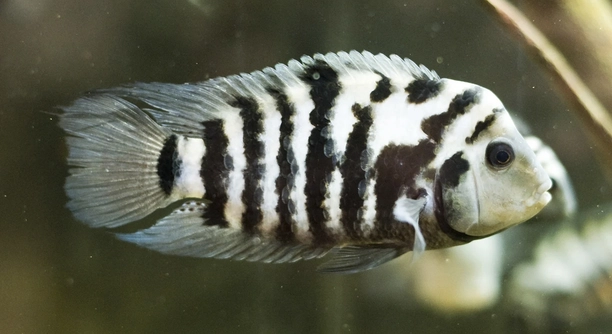
African cichlids are popular aquarium fish known for their vibrant colors and lively behavior. Sometimes, these fish can become stressed due to changes in their environment or tank conditions. Managing their stress is important for their health and well-being.
To calm a stressed African cichlid, ensure stable water conditions, maintain proper tank size, provide hiding spots, and reduce sudden changes. Consistent feeding schedules and minimizing aggressive tank mates also help reduce stress effectively.
Learning how to recognize stress signs and adjust care routines can make a big difference in your cichlid’s life. This article will guide you through practical steps to keep your fish calm and healthy.
Common Causes of Stress in African Cichlids
African cichlids can become stressed for several reasons. Poor water quality is one of the main issues. When ammonia, nitrites, or nitrates build up, it affects the fish’s health. Another cause is overcrowding. These fish need enough space to swim and establish territories. Sudden changes in temperature or water parameters can also upset them. Incompatible tank mates lead to constant aggression, making stress worse. Lack of hiding places leaves cichlids feeling exposed and vulnerable. Even improper diet or irregular feeding can contribute. Observing your tank regularly helps catch problems early. Keeping the environment stable is key to preventing stress and keeping your fish happy.
Stress in cichlids often shows in behavior changes, such as hiding more or losing appetite. Early detection helps prevent serious illness.
Regular water tests, proper tank setup, and balanced feeding routines form the foundation of stress prevention. Adjustments should be made carefully to avoid sudden disruptions.
How to Improve Water Quality
Keeping water clean is essential for calming stressed cichlids. Performing regular water changes removes harmful chemicals and refreshes the tank. Using a reliable filtration system helps break down waste and maintain good oxygen levels. Testing the water weekly for ammonia, nitrites, and nitrates is important to catch issues before they escalate. Avoid overfeeding, as leftover food decays and pollutes the water. Removing uneaten food and debris daily keeps the tank clean. Temperature should be stable, ideally between 74°F and 82°F (23°C-28°C), depending on the species. Adjust equipment settings slowly to prevent shock. Proper water quality not only calms fish but also supports their immune system and overall health, reducing the chance of disease and stress-related behaviors.
Creating a Comfortable Environment
Providing hiding spots helps African cichlids feel secure. Use rocks, caves, and plants to create spaces where they can retreat. These areas reduce stress and allow the fish to establish territories.
A tank layout with varied structures mimics their natural habitat. Cichlids are territorial and need separate areas to avoid constant fighting. Without enough hiding places, stress levels rise quickly. Including caves or dense decorations lets shy or stressed fish take breaks from aggressive tank mates. This setup promotes calmer behavior and better health. Be careful not to overcrowd the tank with decorations, as swimming space is still important. A balanced environment supports both the physical and mental well-being of your cichlids.
Monitoring their interactions regularly helps you adjust the environment if needed. Sometimes rearranging decorations can reduce tension among fish. Keeping their habitat close to their natural preferences plays a big role in calming them down.
Feeding to Reduce Stress
A regular feeding schedule supports a cichlid’s health and reduces stress. Feeding small, balanced meals twice a day is ideal. Avoid overfeeding, which can cause poor water quality.
High-quality pellets or flakes designed for African cichlids provide necessary nutrients. Supplementing with live or frozen foods like brine shrimp or bloodworms adds variety and encourages natural hunting behaviors. Feeding should be consistent in timing and quantity to prevent hunger or overeating. Changes in diet can upset sensitive fish, so introduce new foods gradually. Proper nutrition strengthens their immune system, helping them handle stress better. Watching how much they eat each day lets you adjust feeding amounts and avoid waste. Balanced feeding keeps both water quality and fish stress under control.
Recognizing Stress Signs Early
African cichlids show stress in different ways. Watch for changes in behavior, like hiding more or refusing food. Color fading and rapid breathing are also common signs.
Early detection lets you act before health worsens. Paying attention daily helps catch stress quickly, improving chances for recovery.
Reducing Aggression in the Tank
Aggression increases stress in African cichlids, especially in small or overcrowded tanks. Adding plenty of hiding spots and rearranging decorations can break up territories and lower fighting. Keeping compatible species together also helps maintain peace.
Maintaining Stable Temperature
Stable temperature is critical for cichlid comfort. Sudden fluctuations cause stress and weaken their immune system, so use a reliable heater and monitor regularly.
Avoiding Overcrowding
Too many fish in one tank leads to stress and aggression. Provide enough space for each cichlid to swim and claim territory comfortably.
FAQ
How do I know if my African cichlid is stressed?
Stress in African cichlids can show through various signs. Common symptoms include hiding more than usual, loss of appetite, faded colors, and rapid breathing. Sometimes, fish may become more aggressive or lethargic. Observing your fish’s normal behavior helps you notice any sudden changes early, which is important for their health.
What causes stress in African cichlids?
Stress usually comes from poor water quality, overcrowding, incompatible tank mates, and sudden changes in the environment. Lack of hiding spaces and improper diet can also contribute. Even small things like temperature fluctuations or strong water currents may stress your cichlid.
Can stress kill African cichlids?
Yes, long-term stress weakens their immune system and makes them more vulnerable to diseases. If not addressed quickly, stress can lead to serious health problems or death.
How often should I test my tank water?
Testing your water at least once a week is best. Regular checks for ammonia, nitrites, nitrates, and pH help catch problems early. Good water quality is crucial for preventing stress.
What is the best tank size for African cichlids?
A minimum of 30 gallons is recommended for smaller species, but larger tanks around 55 gallons or more are better. More space reduces aggression and allows territories to form, helping lower stress.
How can I reduce aggression among cichlids?
Provide plenty of hiding places and decorations to break up territories. Avoid overcrowding and keep compatible species together. Sometimes rearranging the tank helps reset territorial disputes.
What should I feed African cichlids to keep them healthy?
Feed high-quality pellets or flakes designed for cichlids, supplemented with occasional live or frozen foods like brine shrimp or bloodworms. Feed small amounts twice daily and avoid overfeeding to keep water clean and fish healthy.
Can changing the tank layout help stressed cichlids?
Yes, rearranging decorations and rocks can help reduce territorial fights. It breaks up established areas and gives stressed fish new places to explore and hide, calming them down.
Is it okay to keep African cichlids with other fish?
It depends on the species. Some cichlids are more aggressive and don’t mix well with peaceful fish. Research compatibility carefully and choose tank mates that can handle similar water conditions and behavior.
How do I prevent stress during water changes?
Perform partial water changes slowly and carefully to avoid sudden changes in water chemistry. Use water conditioner and match the temperature of new water to the tank. Keeping changes consistent prevents shocking your fish.
What role does lighting play in stress?
Too much or too bright lighting can stress cichlids, especially if there are no shaded or hiding areas. Provide moderate lighting and use plants or decorations to create shaded spots where fish can rest.
How long does it take for a stressed cichlid to recover?
Recovery time varies based on the cause and severity of stress. With proper care, stable water conditions, and a calm environment, most fish start to improve within days to a couple of weeks.
Should I quarantine new fish before adding them to the tank?
Always quarantine new fish for at least two weeks. This helps prevent introducing diseases that could stress or harm your existing cichlids. Quarantine also gives you time to observe new fish behavior before mixing.
Can I use medications to calm stressed cichlids?
Medications should only be used if stress leads to illness. Always follow instructions carefully and avoid overusing treatments. The best approach is preventing stress through good care rather than relying on medicine.
How important is tank maintenance for reducing stress?
Regular cleaning, water changes, and filter maintenance are essential. Neglecting these tasks quickly leads to poor water quality, which is a major source of stress. Keeping a clean tank supports healthy fish and a stable environment.
Final Thoughts
African cichlids are beautiful and active fish, but they can become stressed easily if their needs are not met. Stress affects their health and behavior, so it is important to provide a stable and comfortable environment. This means keeping the water clean, maintaining the right temperature, and offering enough space and hiding spots. A calm tank helps these fish show their natural colors and behaviors, making them more enjoyable to watch.
Taking care of African cichlids also means paying attention to their diet and social interactions. Feeding them balanced meals at regular times supports their immune system and overall well-being. Avoiding overcrowding and mixing incompatible species reduces aggression and tension in the tank. Watching for signs of stress early, such as hiding, loss of appetite, or color changes, allows you to take quick action to improve their environment. Small changes can make a big difference in helping your fish feel safe and healthy.
Keeping African cichlids happy requires effort and consistency. Regular testing of water quality, cleaning, and careful monitoring of tank conditions are necessary to prevent stress. Remember, stress is often caused by factors that can be controlled with proper care. By understanding these needs and making adjustments when needed, you create a better home for your cichlids. This leads to healthier fish and a more peaceful aquarium experience overall.

Hello,
If you enjoy the content that we create, please consider saying a "Thank You!" by leaving a tip.
Every little bit helps us continue crafting quality advice that supports the health, happiness, and well-being of pets around the world, for pets of all shapes, sizes, and species.
We really appreciate the kindness and support that you show us!